Short Timeline for TPS Holders to Self-Deport
The Trump administration issued a warning to Temporary Protected Status (TPS) holders, urging them to self-deport shortly after the U.S. Supreme Court decided on the termination of TPS protections. The Department of Homeland Security’s (DHS) General Counsel, James Percival, emphasized that TPS holders from countries like Haiti and Syria have limited time before their legal status expires. He noted that work permits are still valid because lower courts have yet to act on the Supreme Court’s decision.
Percival clarified that any suggestion of extended work permits is inaccurate. He stressed the importance of this final period as an opportunity for TPS holders to accept a $2,600 incentive and a complimentary flight back to their home countries.
Details on the Supreme Court’s TPS Ruling
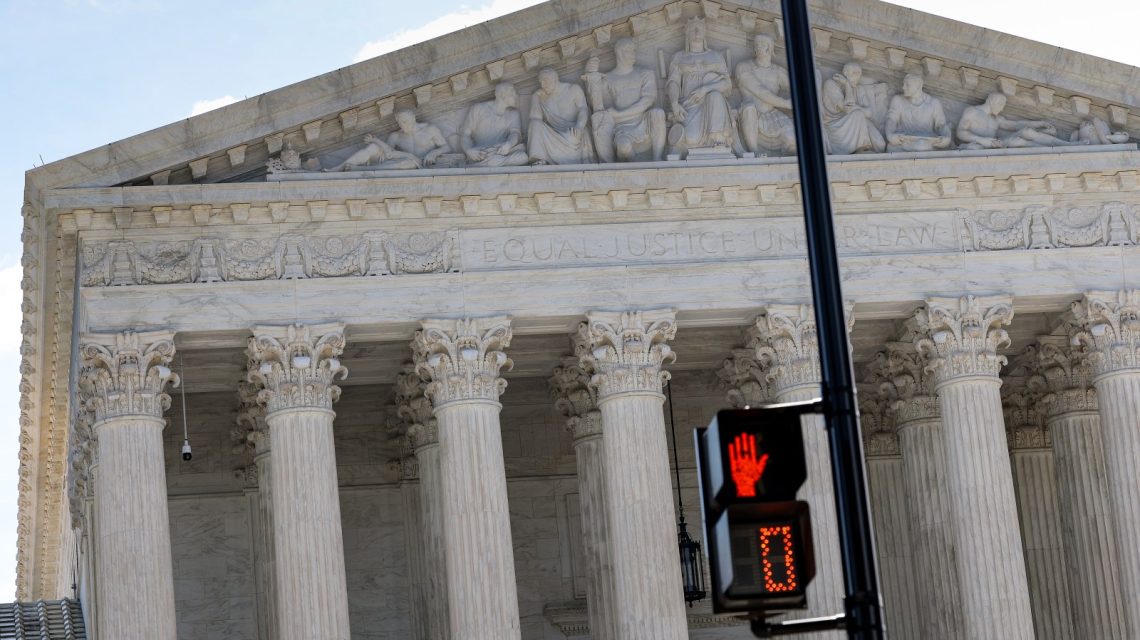
The Supreme Court’s decision in Mullin v. Doe, issued on June 25, was a pivotal moment for the Trump administration’s immigration agenda. The 6-3 ruling overturned lower court orders that had halted efforts to terminate TPS for citizens of Haiti and Syria. DHS has consistently stated that TPS is inherently temporary, asserting that conditions in many eligible countries are suitable for immigrants to return.
Conservative justices supported the argument that courts should not challenge the DHS’s key determinations regarding TPS. This paved the way for DHS to discontinue protections for approximately 350,000 Haitians and around 6,000 Syrians, resulting in a rapid loss of work authorization and legal status among these groups.
Ripple effects from this Supreme Court ruling are anticipated, impacting the TPS status of additional nations in similar circumstances.
Challenges in Implementing TPS Termination
Percival emphasized that many TPS-related cases remain entangled in lower courts, where judges have delayed implementing the Supreme Court’s decision. For instance, a judge holding up TPS termination for Somalia has postponed the issue until August 20. Percival criticized this delay as judicial sabotage concerning TPS.
Despite initial notifications that some TPS recipients’ permits would expire on July 10, updates were lagging, affecting persons from Haiti, Syria, Burma, Yemen, Ethiopia, South Sudan, and Somalia. Although the Supreme Court decision’s impact was set for a month after its announcement, lower courts are required to adhere to it.
Percival’s remarks on the “last opportunity” to self-deport imply that DHS will pursue TPS termination after all injunctions are lifted, affecting hundreds of thousands of immigrants.
Implications of TPS Status Revocation
Labor and business organizations, alongside immigrant advocacy groups, caution of the extensive implications of the administration’s choice to withdraw work authorizations for many TPS holders. The National TPS Alliance, opposing the Trump administration’s actions legally, highlighted the Supreme Court’s decision as it introduces volatility and uncertainty for hundreds of thousands of individuals.
Upon TPS revocation, holders will lose legal status in the U.S., becoming subject to deportation. This situation raises concerns about economic and workforce implications in the U.S.
 The War on Poverty: A Lesson on Intentions and Outcomes
  Reporters Blocked from White House by Trump Administration
  Universities Should Reject Political Influence on Research Funding
  Trump’s Approach to China: Trade Dynamics and Challenges
  Media Outlets Sue After White House Ban
  American Public Opinion on Press Freedom