The Supreme Court provided an initial victory for the Trump administration as it attempts to enforce an executive order aimed at restricting mail-in ballots before the 2026 midterm elections. The contentious order looks to establish a federal list of eligible voters and mandates the U.S. Postal Service to deliver ballots exclusively to those on this list.
The justices, split 6-3 along ideological lines, dissolved an injunction imposed by a Massachusetts-based judge. This injunction had been preventing key components of the executive order from taking effect in California and 22 other states that had contested the measures. Alabama, along with 11 other states, had filed a similar application, which the court also approved.
Despite parts of the order being blocked nationwide due to a separate decision by the same judge, the Supreme Court’s ruling appears likely to influence this as well. Consequently, in the near term, the administration may proceed with implementing elements of the order.
‘This decision is a painful setback, but it will not be the final word,’ stated New York Attorney General Letitia James, one of the challengers.
Former President Donald Trump has consistently criticized the wide usage of mail-in ballots, alleging election system fraud. His attempts to push Congress into passing the SAVE America Act, which enforces new voting restrictions such as proof of citizenship and voter ID, have yet to succeed.
The Supreme Court’s decision is provisional, targeting the assertion that U.S. District Judge Indira Talwani acted prematurely by stopping the provisions’ implementation before federal agencies developed execution plans. The court noted in an unsigned ruling that their decision does not guarantee government measures to execute the order would be lawful.
This decision leaves room for potential judicial intervention, particularly around restrictions impacting the upcoming elections. While proceedings were ongoing, the Postal Service released its final regulation to enforce segments of the order.
The dissenters, the court’s three liberal justices, voiced their opposition. Justice Sonia Sotomayor emphasized that the decision does not ascertain the legality of the President’s influence on state election administration, nor does it suggest constitutional backing for the President’s directives. She noted the decision merely delays addressing these challenges.
In a separate dissent, Justice Ketanji Brown Jackson criticized the majority for prioritizing technicalities over the perceived broader objective of the Trump administration to create electoral disorder.
The Trump administration informed the court that the new regulations did not match the original scope of the executive order. They stated that the Postal Service will continue to transmit ballots even if they originate from senders absent from registered voter lists.
The Supreme Court’s decision aligns with a prior ruling from the U.S. Court of Appeals for the District of Columbia Circuit, which dismissed a Democratic attempt to halt the executive order. Lower courts refused to pause the Massachusetts decision, prompting the administration’s appeal to the Supreme Court.
Solicitor General D. John Sauer argued that court decisions were premature, as implementation strategies by the Postal Service and other agencies remain unsettled. Given the limited time before Election Day, challenges exist for the underfunded Postal Service to meet these obligations.
 A Mother’s Tragic Journey Under Abortion Ban
  U.S. Strategic Goals Remain Unmet Amid Prolonged Conflict
  The Impact of Arts and Closure on Democracy
 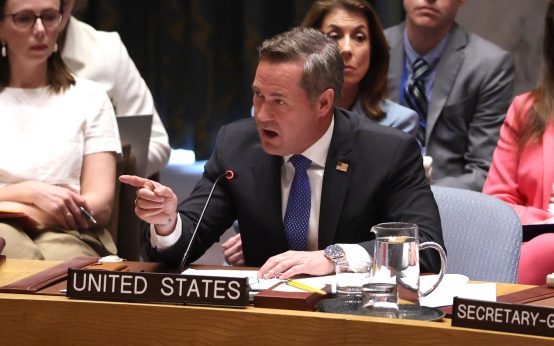 U.S. Ambassador Comments on Iran War Duration Amid Political Concerns
 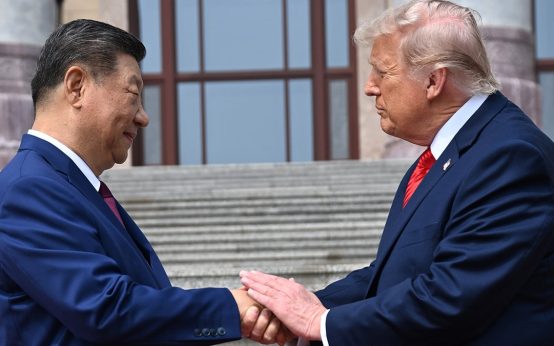 US-China Relations Under Scrutiny: Expert Warns of Escalating Tensions
  No Timeline for End of Iran Conflict