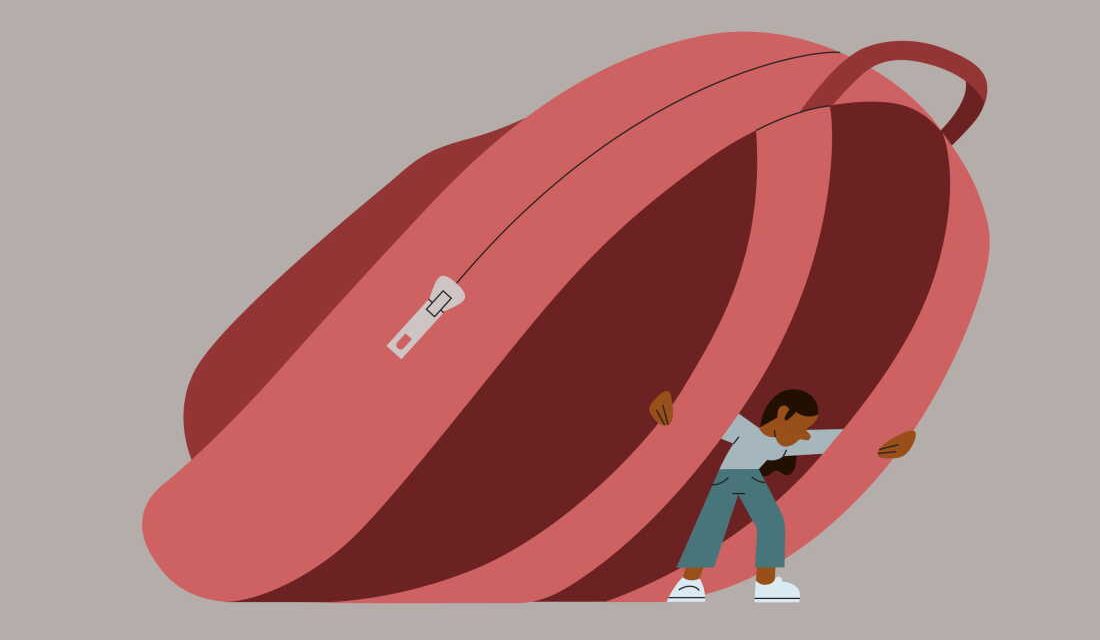
Today’s teenagers often face intense emotions, and their parents encounter difficulties having meaningful conversations with them. A Gallup poll highlights these challenges, and teen psychologist Lisa Damour offers guidance on how parents can better support their kids, especially with the commencement of a new school year.
Pre-teens and teens experience significant changes at the start of the school year, including new routines, varied classes, and evolving friendships both offline and online. Parents can help children manage these transitions by understanding their emotions and providing appropriate support. A survey conducted in July 2024 by the Walton Family Foundation and Gallup, in collaboration with Lisa Damour, surveyed 1,675 children aged 10 to 18 along with one of their guardians. Results indicate that Gen Z kids feel pressure to achieve perfection and experience heightened negative emotions such as anxiety, particularly among girls and teenagers.
Understanding the Challenges Today’s Youth Face
Being a pre-teen or teen has always been tough, Damour explains, but the current generation encounters unique hurdles. “Academically, we demand a lot from them, and socially, they must navigate taxing social media environments.” Furthermore, about two-thirds of Gen Z youth worry about global conditions when they become adults.
Advice for Parents: Conversations and Emotional Support
Damour, author of works like Untangled, Under Pressure, and The Emotional Lives of Teenagers, discusses the survey’s implications for parental strategies. Parents should remind teens that perfection isn’t necessary to alleviate feelings of anxiety, sadness, and stress. According to Damour, helping teens learn from mistakes while maintaining a positive self-view can significantly reduce pressure.
Initiating Conversations
Parents may struggle with comforting or communicating with upset teens, often assuming that their children aren’t open to discussing issues. Yet, Damour asserts that teens value these discussions with adults, emphasizing the benefit for teenagers when engaged in conversations. “Listening is vital,” Damour notes, encouraging parents to find natural conversational openings.
Managing Emotional Roller Coasters
Youth emotions are complex, as highlighted by survey data indicating mixed emotions like happiness, stress, anxiety, and sadness. Damour regards this emotional intensity as typical and a marker of developmental progress. Recognizing that teens experience fluctuating moods, it’s key for parents to address feelings that fit given situations and support valid emotional reactions.
Additionally, parents should recognize existing coping mechanisms teens use effectively, such as shedding tears, embracing pets, or physical exercise. Damour stresses concern only if harmful coping strategies are adopted, reinforcing that managing emotion is about being mindful of how one reacts.
For more insights, listen to the Life Kit podcast on platforms like Apple Podcasts and Spotify, or join the newsletter by reaching out via email to [email protected].
 Florida Man Claims ‘Lion Diet’ Transformed Health and Life
  Concerns Over Food Safety and Its Impact on Families
  A Mother’s Tragic Journey Under Abortion Ban
  Medical Diagnosis Errors: Understanding the Crisis
  Lymphatic Drainage and Ice Sculpting: Emerging Wellness Trends
  The Rising Trend of GLP-1 Medications Among College Students