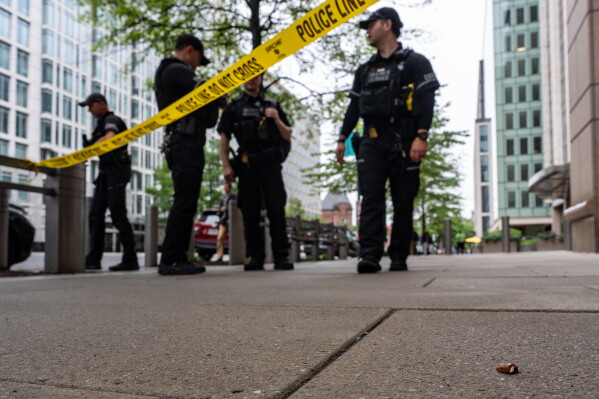
A suicide bomber detonated a vehicle packed with explosives near a railway track in Quetta, Pakistan. The attack coincided with a passenger train passing through, resulting in at least 23 fatalities and injuries to over 70 people.
The explosion’s impact caused two train cars to overturn and ignite, producing thick black smoke as seen in online footage. The blast occurred in a security-sensitive area, severely damaging nearby buildings and destroying several parked vehicles, witnesses and social media images revealed.
Local hospitals received the wounded, with 20 individuals reported in critical condition. Security officials, speaking anonymously, confirmed that bodies were transported to medical facilities after the incident. The Baloch Liberation Army (BLA), which seeks independence from Pakistan’s central government, claimed responsibility for the attack in a statement to reporters. The militant group stated they targeted a train carrying security personnel.
Quetta serves as the capital of the insurgency-hit Balochistan province, known for its oil and mineral resources. The region has long experienced a low-level insurgency, with insurgents frequently targeting security forces, government facilities, and civilians.
Balochistan provincial government spokesman Shahid Rind condemned the attack, expressing sorrow over the loss of innocent lives. He emphasized that terrorist elements deserve no leniency. A medical emergency was declared at Quetta hospitals, and an investigation is underway.
Prime Minister Shehbaz Sharif condemned the attack as an act of terrorism and conveyed condolences to the victims’ families. Balochistan Chief Minister Sarfraz Bugti also condemned the attack, vowing to pursue those responsible. Bugti and the federal government often refer to the BLA as “Fitna al-Hindustan,” alleging Indian backing, which New Delhi denies.
Pakistan’s President Asif Ali Zardari denounced the bombing, highlighting militants’ attempts to undermine Pakistan’s peace efforts. The attack occurred around the time Pakistan noted progress in an agreement between the U.S. and Iran to end the Middle East conflict that began in February. Zardari assured that Pakistan would combat terrorists and their facilitators.
Pakistan and India have longstanding tensions, having fought wars over Kashmir, claimed by both nations. Despite Pakistani authorities’ claims of quelling the insurgency, violence persists in Balochistan. A similar incident in 2024 involved a suicide bombing at a train station, killing 26 people, including soldiers.
 The Cost of Challenging Beijing
 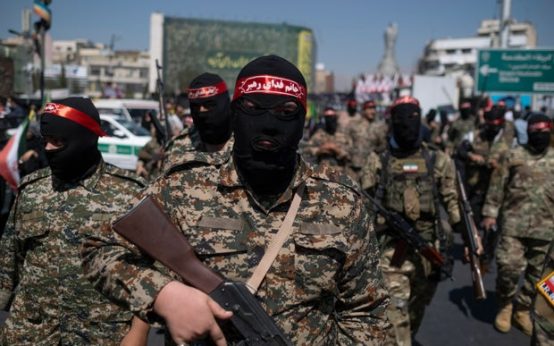 Tensions Escalate in Iran Conflict as Global Leaders Weigh Options
 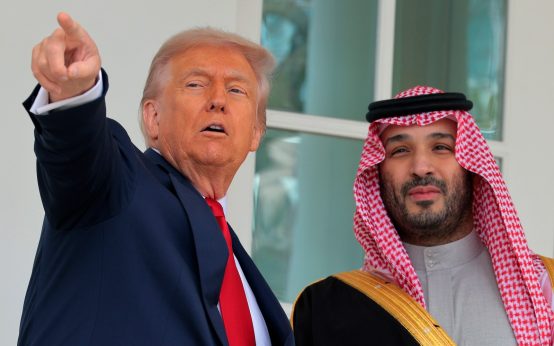 White House Approves F-35 Sales to Saudi Arabia Amidst Regional Tensions
  Inside the Secret Deals Powering the President’s Push to Deport Migrants to Countries Not Their Own
  Navigating the Challenges of Third-Country Deportations
 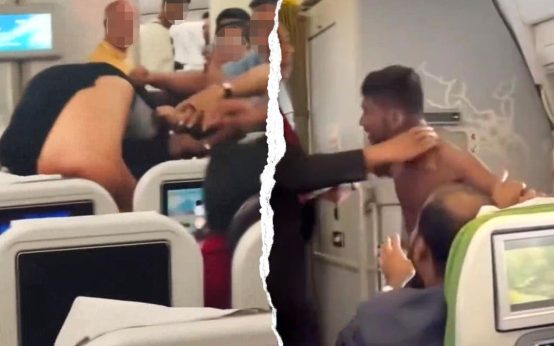 Midair Altercation on Bangladesh to London Flight