
A recent study revealed that adult patients felt substantial relief from pain and anxiety after five minutes of in-person prayer. Researchers from the University of Maryland School of Medicine’s Department of Family and Community Medicine conducted this randomized controlled trial.
The study compared direct prayer’s effects with listening to music. Prayer not only offered greater relief but also sustained the benefits longer for both anxiety and pain. Pastor Jesse Bradley from Grace Community Church in Washington emphasized prayer’s power and benefits.
Statistics indicate prayer as the most utilized form of complementary medicine in the U.S., with 43% of Americans relying on it. The study concentrated on proximal intercessory prayer (PIP), involving face-to-face prayer for an individual’s wellness.
The study involved 180 adult patients from a family medicine waiting room, all experiencing moderate to severe pain or anxiety. Participants were randomly assigned to either the prayer group or the music group after their medical appointments.
Researchers observed changes in participants’ self-reported pain and anxiety levels right after the session, and again at two and six weeks. Dr. Katherine Jacobson from the University of Maryland noted that 97% of participants were neutral or positive about incorporating prayer into medical visits.
The research, published in The Annals of Family Medicine, showed both groups improved, but substantially more relief was noted in the prayer group. Bradley shared his own recovery journey, citing daily prayer as crucial.
Individuals receiving prayer showed more significant pain reduction immediately after the session and at two weeks than the music group. Anxiety benefits were longer-lasting, remaining significant up to six weeks.
Interestingly, expectations did not influence results; improvements were seen across diverse patient demographics, regardless of religious affiliation or healing expectations.
The study recognizes limitations, notably that prayer’s direct effects couldn’t be isolated as the sole improvement factor. Researchers noted human contact in prayer sessions might have influenced results due to its known impact on reducing pain.
Future studies aim at a control group receiving interpersonal contact without prayer. The research supports including patients’ spiritual care preferences in healthcare and integrating trained Christian prayer volunteers in outpatient settings.
The study proposes PIP as a cost-effective, non-pharmacological complement to standard medical care. It is suggested to be integrated into primary care settings, assisting with pain and anxiety management while not replacing traditional treatments.
 Measles Exposure in Philadelphia Raises Health Concerns
  Lawsuits Claim Vision Loss Risk from GLP-1 Medications
 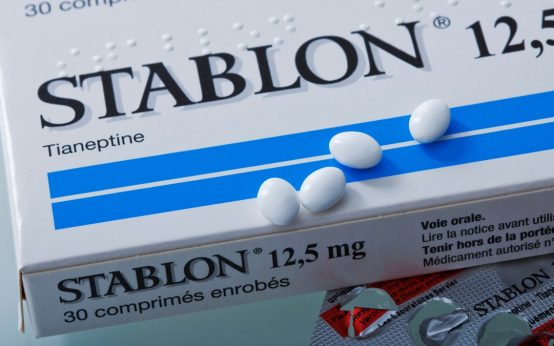 States Tighten Regulations on Tianeptine, Known as ‘Gas Station Heroin’
  Medicare Lab Test Payments: Upcoming Changes and Their Implications
  Gen Z Faces Economic Barriers to Dating and Intimacy
  Understanding and Preventing Suicide: A Public Health Priority