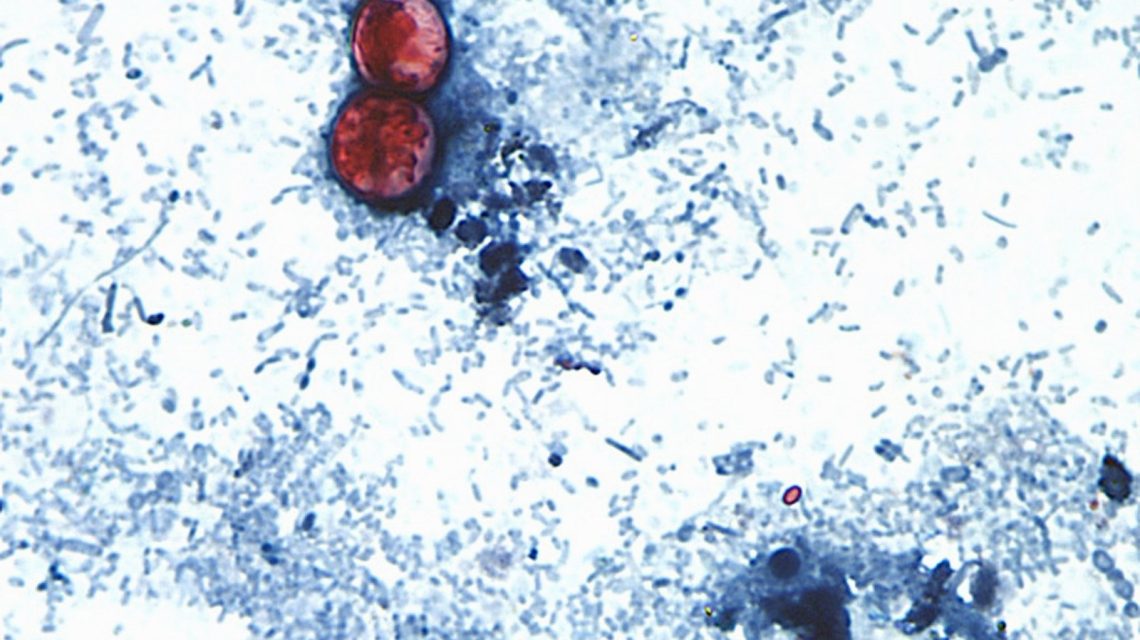
Fifteen states are now connected to a cyclospora outbreak linked to iceberg lettuce, as reported by the U.S. Centers for Disease Control and Prevention (CDC) on Wednesday. Newly affected states include Arkansas, Iowa, Missouri, Nebraska, New Hampshire, and North Carolina, adding to those previously identified: Indiana, Kentucky, Michigan, Ohio, West Virginia, Illinois, Kansas, Oklahoma, and Pennsylvania.
Throughout the year, cases of cyclosporiasis—a gastrointestinal illness caused by the cyclospora parasite—have been documented in at least 47 states. Investigators are determining how many infections are tied to a common contaminated source. The CDC reported 6,358 cases related to the lettuce, including at least 278 hospitalizations. Michigan recently identified the first two deaths connected to the outbreak.
Investigations initially focused on shredded iceberg lettuce served at Taco Bell as a potential source. Federal authorities have identified Taylor Farms, a major produce supplier, as responsible for distributing the tainted lettuce, leading to a recall of iceberg lettuce grown in central Mexico.
In total, the CDC recorded 10,468 laboratory-confirmed domestic cases of cyclosporiasis in 47 states since May 1. Additionally, there are more than 12,255 cases that were not laboratory-confirmed or required further investigation, with a significant number reported in Michigan. The CDC, along with the U.S. Food and Drug Administration, is examining several case clusters, including those linked to lettuce from Taylor Farms.
Understanding Cyclospora
Cyclospora is a microscopic parasite found in food contaminated with human feces, often due to irrigation or washing with tainted water. Once ingested, the parasite causes intestinal problems characterized by “frequent and sometimes explosive bowel movements,” according to the CDC.
Unreported Case Concerns
The CDC notes that the official count includes laboratory-confirmed cases only. State data may show probable and confirmed cases, possibly resulting in higher counts than CDC reports. The agency is aware of over 12,000 additional cases not confirmed by laboratory tests, requiring detailed analysis to exclude travel-related infections. The actual number of illnesses is probably higher, as some recover without medical interventions and testing.
Diagnosis and Treatment for Cyclosporiasis
Symptoms generally appear about a week post-exposure but can emerge between two days and two weeks. Without intervention, the illness might persist beyond a month, with symptoms potentially fading and reappearing. Diagnosis involves stool testing, needing multiple samples and specialized tests not regularly conducted.
The standard treatment includes trimethoprim-sulfamethoxazole, marketed as Bactrim or Septra. Rest and fluid intake are crucial, especially for those with diarrhea. People with weakened immune systems or poor health are at a higher risk of severe or prolonged illness.
 Understanding School Shooting Preparedness Drills
  The War on Poverty: A Lesson on Intentions and Outcomes
  Florida Reports First Dengue Fever Death as Outbreak Expands
  Federal Relief Funds Used for Anti-Racism Training in Albuquerque Schools
  Florida Man Claims ‘Lion Diet’ Transformed Health and Life
  Concerns Over Food Safety and Its Impact on Families