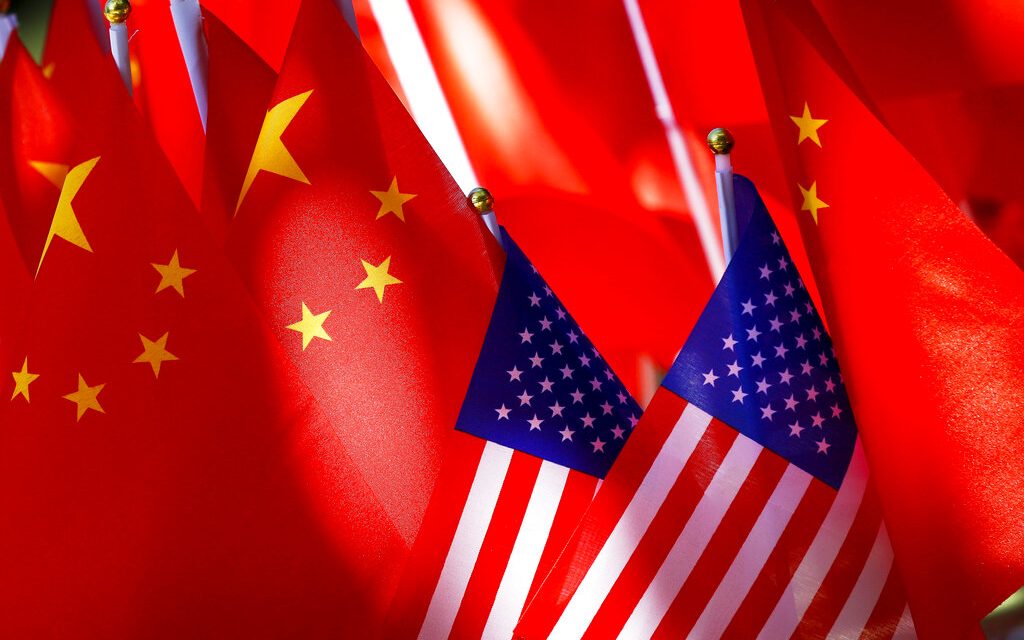
The National Defense Authorization Act often serves as a way for Congress to address China’s expanding military and technological goals. This year, the defense bill aims to tackle another issue: the inadequate transparency of foreign funds entering American universities and the risks involved.
The universities in the United States contribute significantly to national security. They train necessary scientists and engineers, conduct federally funded research, and make discoveries that influence military advancements. These strengths also make them appealing targets for foreign governments seeking influence and access to research.
Concerns with Chinese Influence
China is a major concern, as the country views higher education as an area to gain strategic benefits. Congressional investigations have highlighted these risks. The House Select Committee and the House Education and Workforce Committee discovered extensive taxpayer-funded research that has helped advance China’s military and technology through university partnerships. These collaborations involve sensitive areas such as artificial intelligence and nuclear physics. Concerns have also been raised about U.S.-China institutes linked to Chinese institutions with defense ties.
Importance of Transparency
Transparency in foreign funding is crucial. Foreign gifts and contracts can create dependencies, obscure conflicts of interest, and allow foreign influence. While one relationship may seem manageable, collectively, they reveal patterns affecting policy decisions. The current reporting system falls short.
Section 117 of the Higher Education Act mandates reporting of foreign gifts and contracts of $250,000 or more in a calendar year. Although the threshold seems substantial, once enforcement increased in 2019, universities disclosed about $6.5 billion in previously unreported foreign funds.
Issues with Current Disclosures
Senate investigations have uncovered universities failing to disclose millions in Chinese funding. Recent Department of Education data shows $405 million in university transactions with foreign entities previously flagged by U.S. government lists.
Proposed Legislative Measures
In response, Congress considers stronger disclosure requirements in the defense bill. Proposed measures include lowering the reporting threshold to $50,000 and mandating full disclosure from certain countries, such as China and Russia. Improved enforcement and public access to funding data are also planned.
The goal is clear: provide a comprehensive view of foreign money in U.S. higher education. Enhanced transparency ensures agencies can compare foreign funding data with risk indicators and assess potential threats before deeper partnerships form.
Preserving Academic Openness
Importantly, these requirements do not impact foreign students’ ability to study in the U.S. They do not restrict legal study or impose enrollment rules based on nationality. The emphasis remains on transparency in foreign gifts, contracts, and partnerships.
Conclusion
Maintaining openness to global talent is a strategic advantage for the U.S. Transparency helps preserve it by distinguishing academic exchange from risk-laden relationships. As Congress assesses measures in the defense bill, foreign funding disclosure must be part of the conversation. The aim is not to close off universities, but to understand who seeks access.
Craig Singleton, a senior fellow at the Foundation for Defense of Democracies and former U.S. diplomat, emphasizes this viewpoint.
 Nevada Attorney General Faces Questions Over Clemency Bid
  Trump Administration’s Crackdown on ACA Coverage
  Shakeup in Mayor Johnson’s Administration with Key Retirements and Appointments
  House Republicans Challenge DOJ Over Smith Investigation
 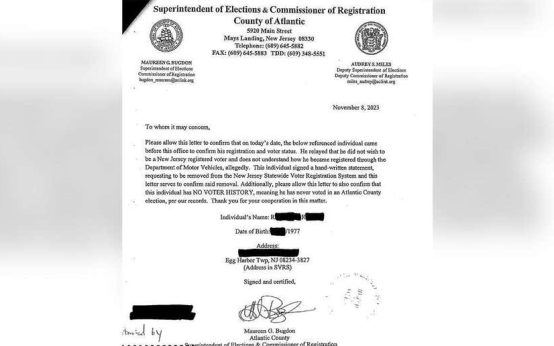 RNC Sues New Jersey Over Voter Roll Transparency
  Karoline Leavitt on Trump’s Tense Calls with Putin and Xi