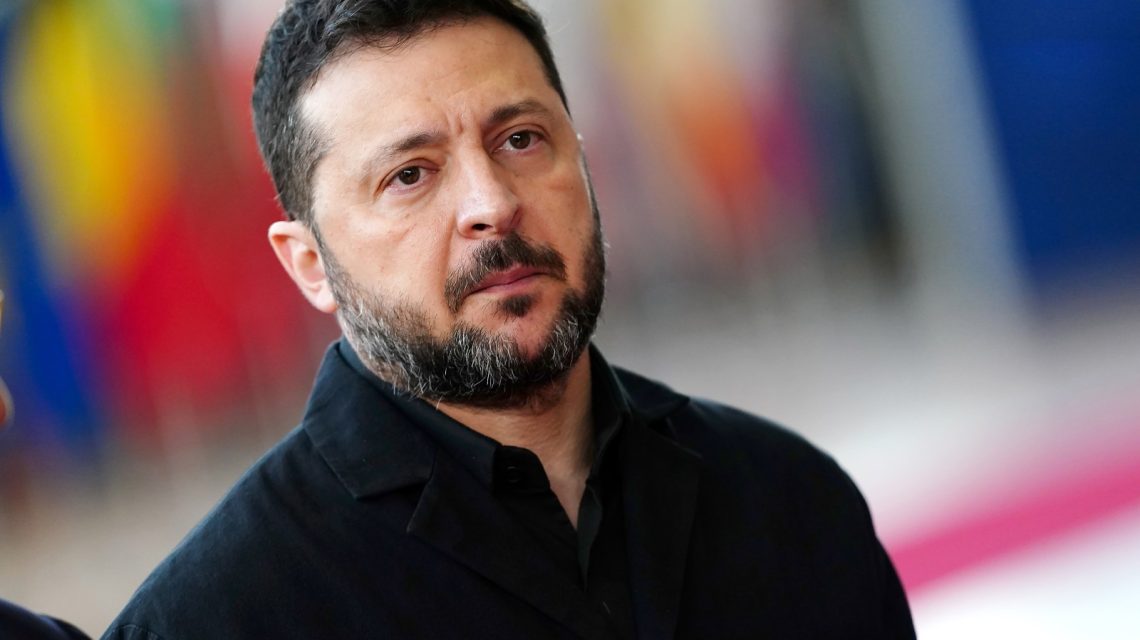
The U.S. Secretary of State, Marco Rubio, has refuted assertions by Ukrainian President Volodymyr Zelensky regarding interruptions in intelligence sharing between Washington and Kyiv. Rubio responded to Zelensky’s claim about a temporary halt in intelligence cooperation, emphasizing that there was no such pause. This disagreement underlines growing friction between the two nations.
Zelensky has criticized former President Donald Trump for easing sanctions on Russian diesel exports and allegedly impeding Ukraine’s access to the Starlink satellite network, which is crucial for its defense systems. There are concerns that Trump’s public criticisms of Kyiv could signal deeper issues. Orysia Lutsevych from Chatham House pointed out the potential seriousness of this situation. Lutsevych emphasized the potential for strained U.S.-Ukraine relations if Trump’s stance continues.
Zelensky mentioned during an NBC interview that U.S. intelligence support, essential for anticipating Russian attacks, was briefly halted. However, Rubio disputed this in Uzbekistan while meeting with officials. He urged Zelensky to focus on ending the war. Treasury Secretary Scott Bessent warned Zelensky about making claims on intelligence interruptions.
Ukraine relies on U.S. intelligence for alerts on Russian operations, although some European allies can also assist. Reports indicated a lack of warning from partners during recent missile strikes, according to The New York Times. Lutsevych suggested the need for reliable intelligence sharing with the U.S. but acknowledged European assistance may be necessary.
The relationship between Trump and Zelensky has fluctuated, deteriorating recently. Ukraine blamed the U.S. for restricting access to the Starlink network, affecting drone operations and defense efforts. John Hardie of the FDD criticized this decision amidst ongoing Russian attacks on Ukrainian infrastructure. Despite restored satellite connectivity, high-speed restrictions remain, causing concern.
Compounding tensions, Trump’s unilateral energy truce announcement surprised Moscow and Kyiv. Zelensky initially respected the ceasefire but resumed strikes after Russia continued its assaults. This response drew Trump’s ire. The Ukrainian president targeted oil facilities, provoking Trump’s disapproval due to perceived impacts on global oil prices.
Critics, including U.S. lawmakers, condemned actions undermining sanctions on Russian energy, initially championed by the late Senator Lindsey Graham. Alexander Kirk, a sanctions campaigner at Urgewald, noted Trump’s actions weakened legislation designed to curb Russia’s revenue.
Estimates revealed significant European payments for Russian LNG, facilitated by Trump’s waiver, which prevented new sanctions. Lutsevych pointed out that the timing of the Zelensky-Trump dispute coincides with Putin’s intensified campaign against Ukrainian cities, threatening civilian lives.
Lutsevych concluded that risks of strained U.S.-Ukraine relations emerged with Trump’s presidency, given his preference for dealing with Putin. The ongoing conflict presented challenges to Trump’s strategic goals with Russia.
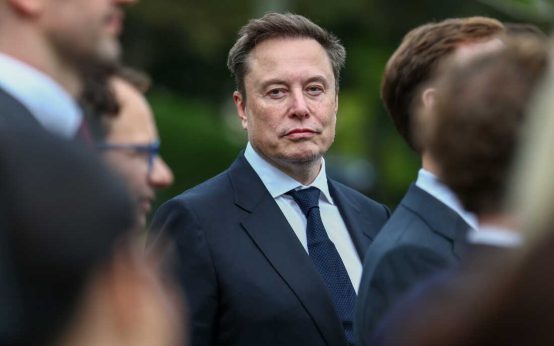 Record Fundraising in 2026 Midterms: Key Financial Dynamics and Strategic Spending
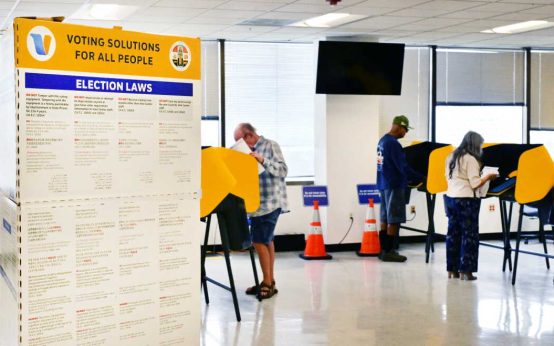 DOJ Charges Green Card Holders with Voter Fraud in California
 Unconventional Democratic Candidates Aim for Change in Midterms
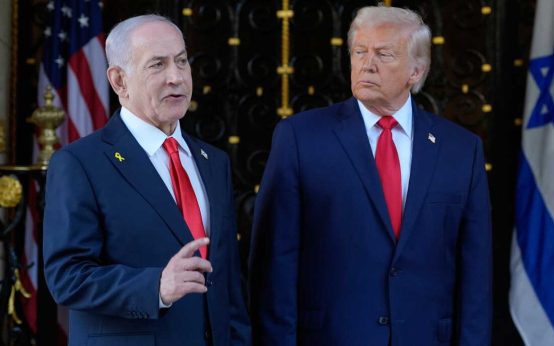 Trump Endorses Netanyahu Ahead of Tight Israeli Elections
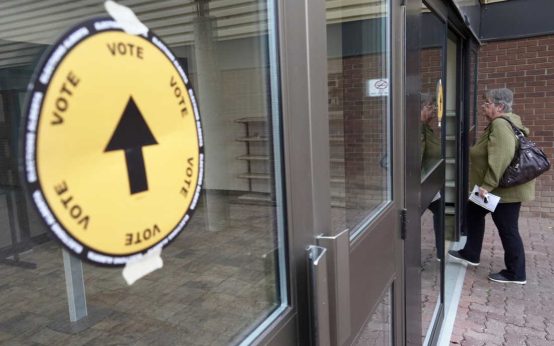 Alberta Referendum Results: Majority Chooses Unity
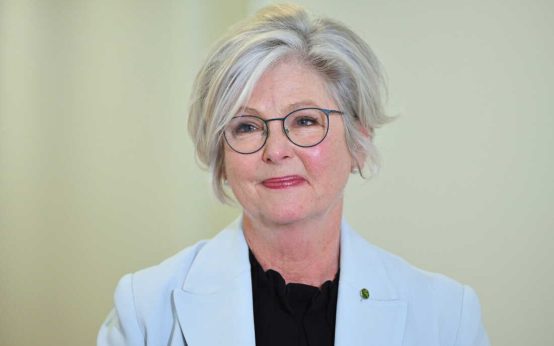 Deliberate Attack Critically Injures Australian MP Helen Haines