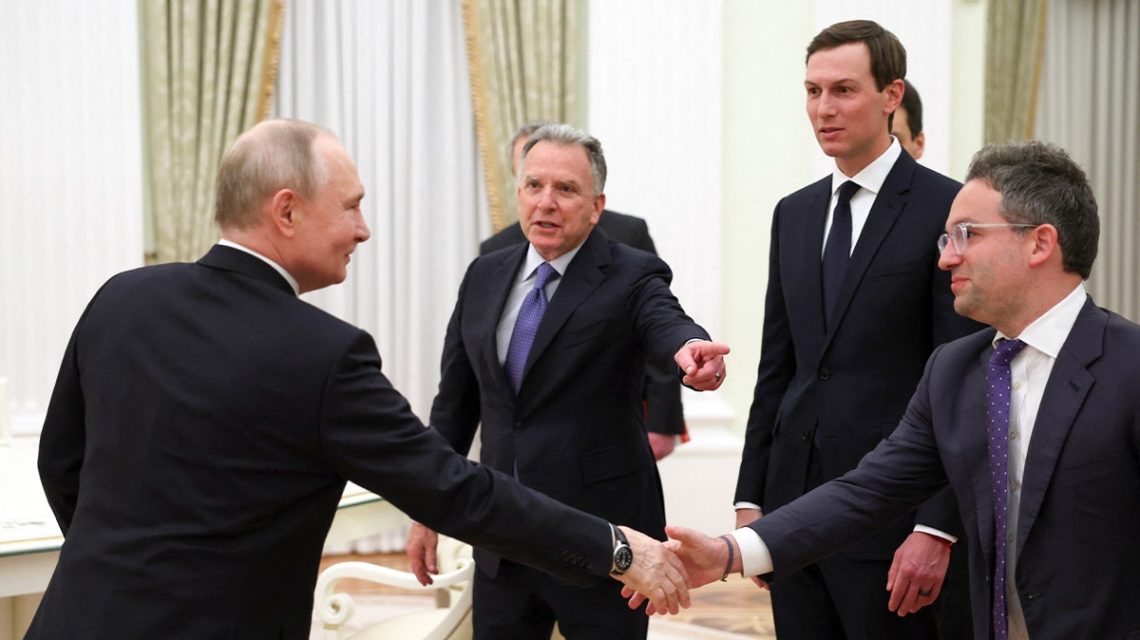
Russian diesel tankers are making their way to U.S. ports, sparking debate and political tension. The dispatch of these tankers stems from an agreement between President Donald Trump and Russian President Vladimir Putin, aimed at easing diesel prices amid international supply disruptions. However, this has attracted criticism from U.S. lawmakers.
Background and Legal Context
Under this agreement, three tankers filled with Russian diesel are en route to the United States, with a fourth scheduled to depart shortly. Despite a law passed in 2022 that bans Russian energy imports, experts affirm that President Trump possesses the legal authority to authorize these specific imports. This authority does not alter the original prohibition but permits certain transactions.
Jeremy Paner, a partner at Hughes Hubbard & Reed, states that the President’s authorization finds legal standing. Former Treasury Department sanction officials concur, highlighting the law’s allowance for specific exceptions under certain circumstances.
Political Opposition
Resistance within Congress highlights concerns about bypassing the 2022 ban without legislative consent. Senator Richard Blumenthal has sought action against this by urging shipping companies to recall the diesel-laden vessels. He contends that the Treasury Department’s license does not negate the prohibition and warns involved parties of potential legal violations.
Additionally, letters have been sent to shipping firms, requesting details on their compliance with this shipment and any governmental consultations to be submitted by the end of the month.
Shipment Details
The shipments in question total about 140,000 metric tons of diesel. Concerns arise as at least two of the tankers are under Western sanctions. The first tanker, the Agioi Fanendes, is expected to reach New York by early November. Another, the Talisman, is subject to American, British, and EU sanctions. The third, the Leruo, is scheduled to arrive on the East Coast in mid-November.
Despite these sanctions, Paner indicates that the U.S. authorization allows these shipments to proceed legally, though the use of sanctioned vessels points to potential complexities in international maritime law.
Global Implications
The inclusion of sanctioned vessels points to the maritime industry’s caution because of risks associated with moving sanctioned goods. Vessel ownership and multinational sanctions add layers of complexity. Although authorized by the U.S., other international sanctions remain relevant.
Novak, Russia’s Deputy Prime Minister, voices criticism against American lawmakers opposing this arrangement, arguing that their stance contradicts consumer interests. The agreement also involves releasing substantial quantities of diesel to global markets, potentially expanding by year-end.
Conclusion and Congressional Actions
Lawmakers have indicated intentions to scrutinize companies involved in these transactions, highlighting possible investigations and requiring the preservation of pertinent records as part of due diligence.
Emma Bussey, a journalist with Fox News Digital, provides comprehensive coverage on these developments and previously covered various sections at The Telegraph.
 Candidate Distances Themselves from Controversial Ad
 Trump Administration’s Influence Over Election Integrity
 Kennedy’s Campaign Efforts and Health Policy Developments
 Israeli Elections: A Historic Turnout
 Unexpected Political Alliances Form Over Data Center Debate
 False Claims Spread About George W. Bush’s Endorsement in Texas Senate Race