Spain Faces Disinformation and Migration Surge
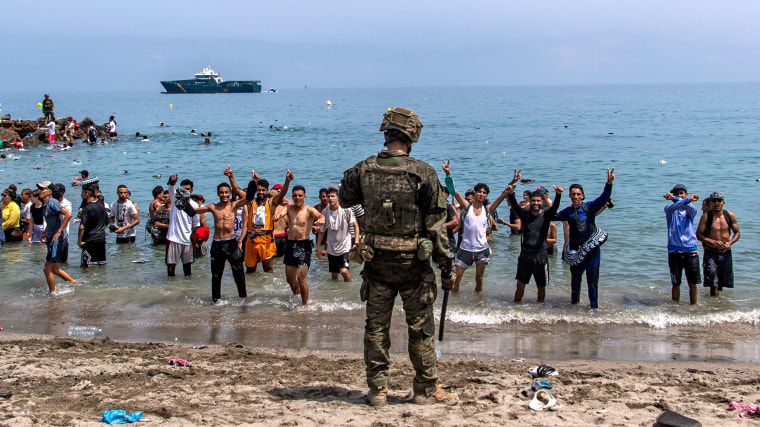
Spanish Prime Minister Pedro Sanchez revealed allegations of disinformation in the context of Spain’s migration policy. He indicated that Russia and Israel might be involved in spreading false information related to a recent migration surge into Ceuta. However, Sanchez dismissed the idea of Moroccan responsibility in the incident, which saw over 72,000 migrants crossing into the Spanish territory between July 30 and 31.
Migration Crisis in Ceuta
The sudden influx at one of the EU’s few land borders with Africa has raised concerns across Europe. Tragically, Ceuta’s local authorities reported the deaths of at least 100 people in the attempt to reach the Spanish land. Meanwhile, Spanish opposition parties and certain human rights organizations accused Morocco of purposely allowing the mass entry, although Morocco has denied these claims.
Role of Disinformation
Sanchez highlighted the role of misleading information prevalent on social media platforms like Instagram and TikTok. These videos falsely asserted that migrants entering Ceuta by sea could stay in Spain, drawing thousands to attempt the crossing. According to Spanish authorities, the EU’s diplomatic service, EEAS, found that Russian and Israeli networks helped spread this misinformation, aided by far-right groups.
Spanish army personnel have been stationed to prevent access for those crossing from Morocco, as captured by photographer Antonio Sempere.
International Relations and Criticism
The Prime Minister noted that these countries might be leveraging the crisis to challenge Spain over its stance on the conflicts in Ukraine and Gaza. He refrained from sharing specifics about the evidence of their involvement. Reuters sought comments from Israel’s Ministry of Foreign Affairs, Russia’s Embassy in Spain, and the EEAS, but no immediate responses were provided.
Ceuta’s Internal Tensions and Economic Measures
Currently, approximately 5,000 migrants who seek asylum remain in Ceuta after the border surge. This situation has spurred regular protests among locals upset with Spain’s management of the crisis, along with sporadic assaults on a temporary migrant camp at El Trampolin beach.
In a recent development, police apprehended three Moroccan citizens for attacking an army patrol with bottles of corrosive substances in Ceuta. Fortunately, there were no injuries reported.
To address both the humanitarian and economic implications, Sanchez announced the allocation of €168 million ($195 million) in emergency funds to bolster Ceuta’s economy. This is in addition to the €180 million pledged the previous week for medium-term recovery initiatives, together accounting for around 8% of the enclave’s GDP.
 Investigation into Lion Deaths in Tanzania
 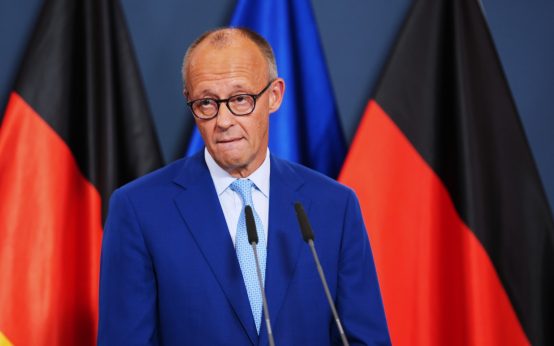 Merz Stays Resolute Amid Electoral Shifts in Germany
 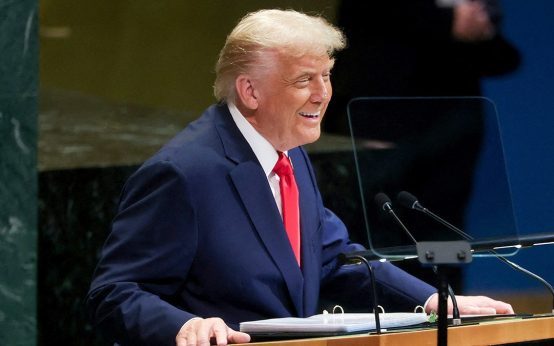 U.S.-Iran Relations and Diplomacy at Upcoming U.N. Assembly
  US-China Relations Under Scrutiny: Expert Warns of Escalating Tensions
 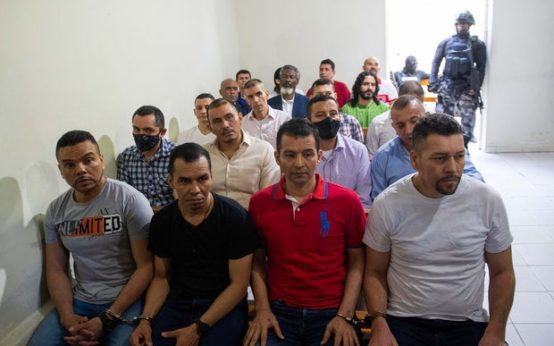 Extradition of Suspects in Haitian President’s Assassination
  No Timeline for End of Iran Conflict