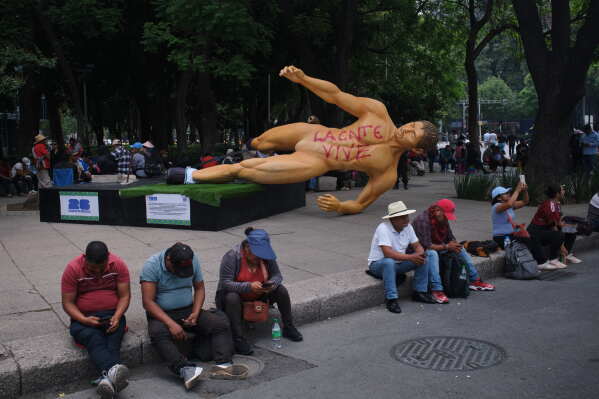
Mexico City is dealing with protests and social unrest that might disrupt plans for the FIFA World Cup celebrations. Protesters have blocked access to the plaza where major fan events are to be held. Mexico is co-hosting the tournament with the U.S. and Canada and the festivities will begin on Thursday.
Critics of the event argue that the government places more emphasis on catering to international visitors than on local residents’ needs. This comes as Mexican President Claudia Sheinbaum navigates a complex political situation. The relationship with the U.S. has become strained preceding July’s trade negotiations, accompanied by political scandals and security challenges following February’s violence in a host city.
With numerous guests arriving in Mexico City, local citizens express concerns about the government’s priorities. President Sheinbaum noted uncertainty about hosting the free fan festivals due to a union protest blocking the plaza. Political analyst Carlos Pérez Ricart highlighted the pressure on the government to maintain a positive international image amidst these complications.
Mexico wants to show an international image that contrasts with the reality citizens experience daily.
Streets in Mexico City, alongside Guadalajara and Monterrey, are decorated with FIFA’s logo, marigold flowers, and soccer-themed designs as crowds fill the city in excitement. An estimated $3 billion in revenue is expected from the event, benefiting hotels, restaurants, and sports venues.
The upcoming Thursday’s fan festival and the opening match, featuring a performance by Colombian superstar Shakira, are expected to attract significant attention. If successful, they would demonstrate Mexico’s capability to host major events effectively.
Security has been heightened following recent violence in Guadalajara, with over 100,000 security personnel expected to be deployed. However, social unrest, particularly in Mexico City, remains a concern. The teachers’ union has been protesting for improved working conditions, while families of missing persons urge the government to address humanitarian issues.
This isn’t about opposing soccer but highlighting the need for investment in education.
Protest actions include toppling statues and roadblocks. Sheinbaum initially denied unrest but later acknowledged if access to the Zócalo remains blocked, alternative locations are ready for viewing the opening event.
Airports in the Americas are bustling, filled with fans from various countries. In Panama City, many fans in colorful jerseys prepare to travel. Emilio Sosa, an Argentinian fan, anticipates following his national team throughout the tournament.
Some locals, like Dr. Jose Luis Muñoz, express disappointment over high ticket prices, feeling excluded from attending due to financial barriers. Despite this, they continue to support Mexico’s team from home.
In downtown Mexico City, traditional games take place as pre-Hispanic ball games are demonstrated, reflecting on cultural heritage amidst the modern event.
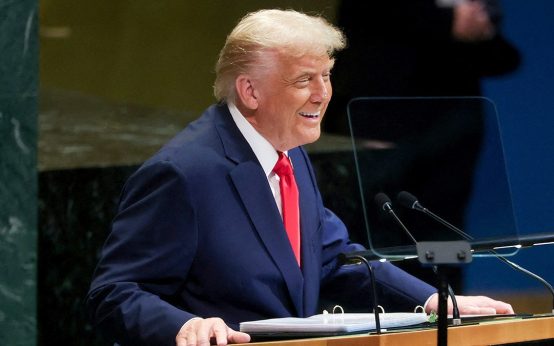 Trump’s Vision for Global Security: Iran, AI, and the Role of the U.S.
  Concerns Raised Over Canadian Assisted-Dying Program
 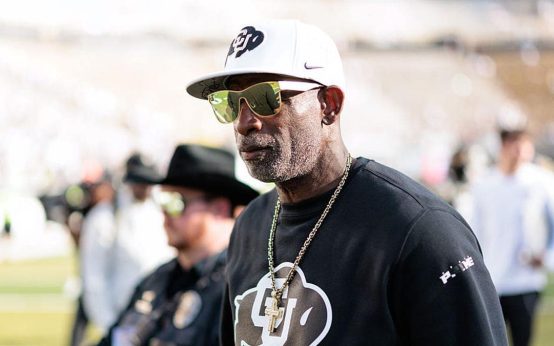 Deion Sanders Addresses Colorado Loss and Team Conduct
 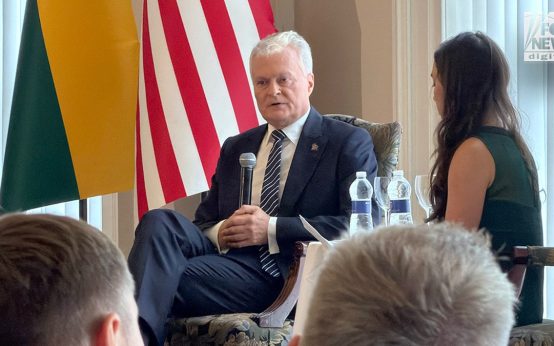 Lithuanian President Urges U.S. to Maintain Military Presence Amid NATO Challenges
  Italian PM Giorgia Meloni Skips UN General Assembly Amid U.S. Tensions
  Steve Lotysz: From Gates to Galleries