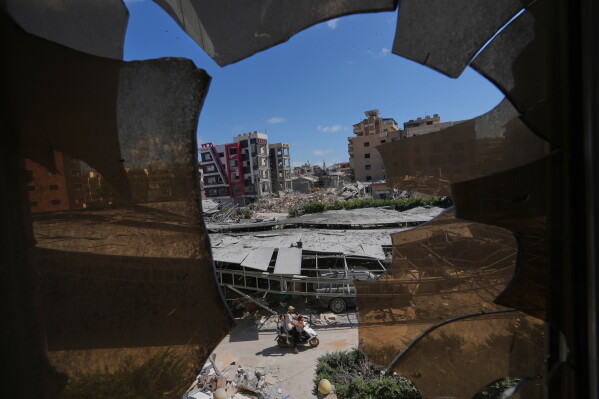
The United States aims to begin significant negotiations with Iran, though efforts have stalled due to recent events. An agreement signed recently set a two-month period for discussions on Iran’s nuclear program and restoring oil flow through the Strait of Hormuz. However, Iran did not attend the scheduled talks in Switzerland, requiring an end to Israeli strikes on Hezbollah militants in Lebanon first, according to several regional and knowledgeable sources.
A U.S. official and regional representatives noted that Israel and Hezbollah have agreed to renew their ceasefire as of Friday. This development brings uncertainty about whether the discussions with Iran will recommence. President Donald Trump commented on the stalled negotiations through social media, highlighting Iran’s position as desperate, not the U.S.
Prepared for Swiss Talks
Vice President JD Vance was set to travel to Switzerland for negotiations with Iran, though plans were unexpectedly postponed. Vance and his team had gathered at Joint Base Andrews, awaiting departure. Meanwhile, a White House announcement explained the delay, omitting the violence in Lebanon as a factor. It highlighted the unpredictable logistics of organizing negotiations.
Iran conveyed reluctance to engage in talks unless Israeli actions in Lebanon ceased. Despite this, a Qatari mediator has arrived in Switzerland for the anticipated U.S.-Iran discussions. Qatar’s senior officials met with the Swiss foreign minister to move forward.
Intensified Fighting in Lebanon
The conflict in southern Lebanon has escalated, resulting in at least 18 fatalities due to Israeli airstrikes. Four Israeli soldiers were also reported dead. Israeli Prime Minister Benjamin Netanyahu stated Israel’s military would remain in southern Lebanon as needed for security. Iran demands Israel’s withdrawal but the interim deal does not mandate this, instead emphasizing Lebanon’s territorial integrity.
Before the postponement, Vance expressed uncertainty about the timing of talks. Iran’s Supreme Leader Ayatollah Mojtaba Khamenei signaled approval for direct negotiations, hinting at an advancement in U.S.-Iran relations, despite internal opposition within Iran against engaging with the Trump administration post the withdrawal from the 2015 nuclear deal.
Expectations from the Agreement
Vance initially traveled to Switzerland for the agreement’s signing, which President Trump had already conducted in France. The agreement includes reducing Iran’s highly enriched uranium under international oversight and forbids the development of nuclear weapons, reaffirming past commitments.
Iran’s Strong Negotiating Position
Iran feels confident entering the discussions, having disrupted the Strait of Hormuz and causing global economic impacts. Experts suggest the U.S. seeks to restore pre-conflict conditions. Iran’s leadership feels on equal footing with the U.S., leveraging the talks as a sign of strength domestically.
Political Implications for Vance
As a potential 2028 presidential candidate, Vance’s role in the negotiations could influence his political future. He is known for skepticism towards foreign wars, an aspect of his political identity. Engaging in negotiations endorsed by the Trump administration, criticized by Democrats, places him in a delicate position. Republican Senator Roger Wicker voiced concerns over aspects of the agreement, seeing inconsistencies with Trump’s aims. However, Trump and Vance maintain that the deal does not directly involve U.S. taxpayer money and demands concessions from Tehran.
 Google Fined for Breaching EU Privacy Rules
  South China Sea Tensions Rise after Collision between Chinese and Philippine Ships
 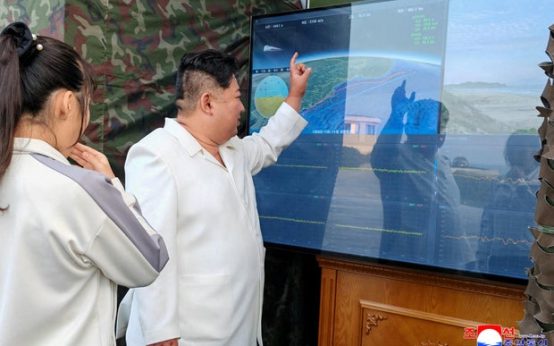 North Korea’s Hypersonic Weapon Test Amid Global Tensions
  Austin Tice: A Search for Answers
 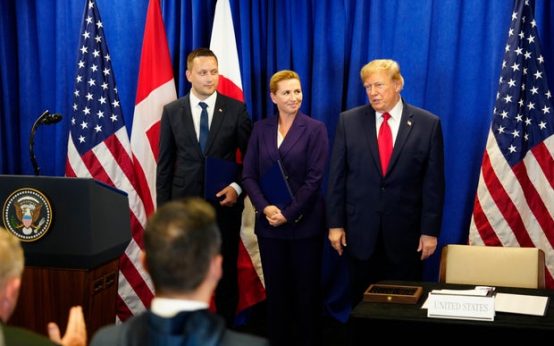 U.S., Denmark, and Greenland Forge New Security Agreement
 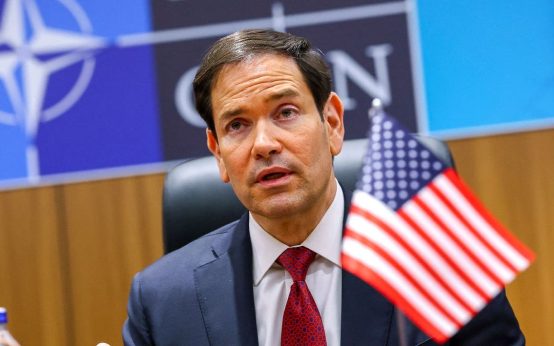 Secretary Rubio Discusses Middle East Conflict and NATO Relations