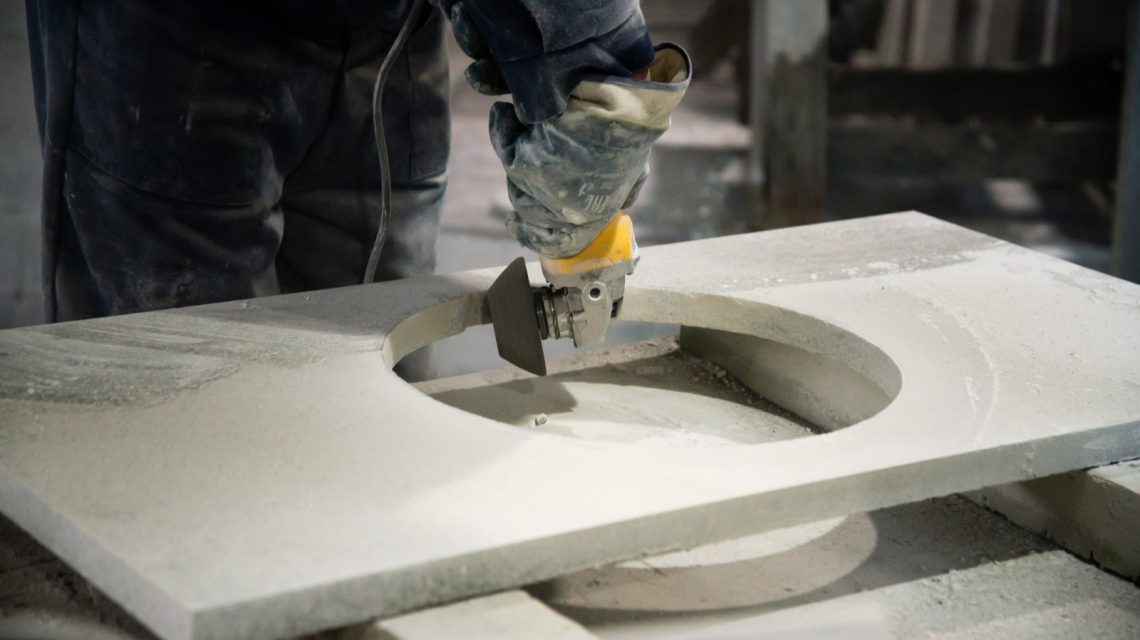
Hundreds of workers in California have contracted silicosis, a severe lung disease, from exposure to silica dust while making engineered-stone countertops. A report from the California Department of Public Health (CDPH) found 592 confirmed cases from January 2019 to June 2026. The disease has claimed 31 lives, and 65 workers have needed lung transplants.
The Threat from Engineered Stone
The production and installation of engineered-stone countertops pose significant health risks. These materials, often marketed as quartz, might contain over 90% crystalline silica. Cutting or grinding releases small silica particles into the air, creating a hazardous environment for workers.
California has monitored silicosis since 2019, and health experts continue to express concern over the conditions faced by these workers. News outlets like Newsweek have contacted CDPH and the U.S. Department of Health and Human Services for comments regarding these findings.
Understanding Silicosis
Silicosis is a non-curable and progressive disease caused by inhaling fine crystalline silica dust. Exposure happens when cutting or grinding materials containing silica, leading to lung inflammation and scarring. This damage can eventually lead to severe disability or death.
Silicosis is associated with other diseases like lung cancer, chronic obstructive pulmonary disease, and kidney disease. Engineered stone is particularly risky due to its high silica content. Work processes that produce dust, such as cutting or polishing, increase exposure risks.
Symptoms include a persistent cough, fatigue, and chest pain. However, some may develop silicosis without initial symptoms, leading to delayed diagnosis and treatment.
Nationwide Concerns
David Michaels of George Washington University’s Milken Institute School of Public Health highlights the potential for more cases. He suggests that there might be thousands more cases nationwide. Health practitioners and public health departments need to detect and address this issue to protect workers.
The disease may take years to develop, although extreme exposure can speed up its progression.
Impact Beyond California
While California’s situation is dire, other states also report cases among stone workers. A 2019 CDC report cited 18 instances, including two deaths, among workers in California, Colorado, Texas, and Washington. The National Institute for Occupational Safety and Health (NIOSH) warns about exposure during manufacturing and installation processes.
California’s reported cases underrepresent the actual scope, due to underdiagnosis and underreporting.
Important Information for Workers
Most affected workers in California are young immigrant men from Mexico and Central America. These cases often involve insufficient dust control and late diagnosis.
NIOSH and the Occupational Safety and Health Administration (OSHA) updated their hazard alerts to address respirable crystalline silica dust. Workers should inform medical professionals about any history of working with engineered stone, especially if they experience respiratory symptoms.
Even without symptoms, those with significant exposure should consult health professionals about risks. Employers must implement safety measures like wet cutting, local exhaust ventilation, and using enclosures to reduce silica exposure. Respiratory protection might be required, depending on specific conditions.
The primary risk for workers is exposure to airborne silica dust during fabrication and installation, rather than having quartz countertops in homes.
 Infections Linked to 1 in 8 Cancer Cases Globally, Study Finds
  Cancer Concerns Rise Among Iowa Voters Due to Environmental Factors
  Choosing the Right Mouthwash for Braces
  Rising ObamaCare Premiums and Enrollment Challenges
  Christina Applegate Faces Misdiagnosis of Multiple Sclerosis
  Christina Applegate’s Health Struggles and Misdiagnosis of MS