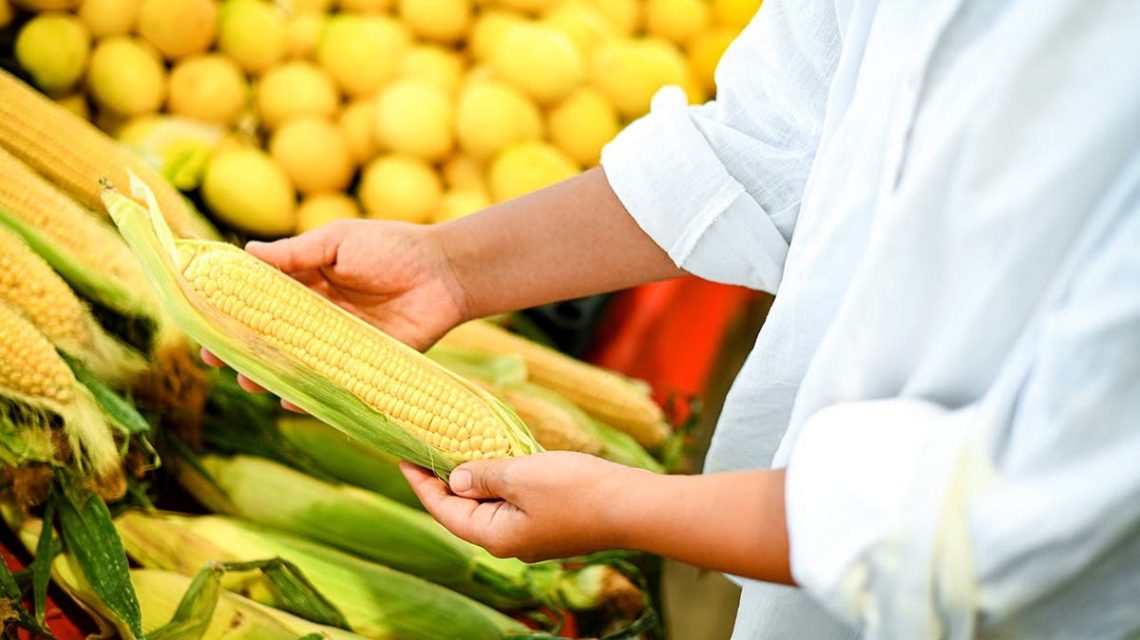
The arrival of fresh summer corn in stores sparks a debate: to shuck or not before purchasing?
Why Shuck in Store?
Shucking involves removing husks and silk to inspect kernels. Some believe in checking for quality and insects before buying. According to etiquette expert Jacqueline Whitmore, some stores even provide bins for discarded husks, encouraging this practice. She advises, though: if you shuck it, buy it. If you find bad corn, report it or discard it properly.
If you shuck it, buy it. If the ear of corn is bad, let a manager know or discard it in the trash bin provided.
Considerations of Shucking
Shucked corn can become unappealing to other shoppers, increasing food waste. Lack of provided bins adds mess and can discourage others from buying exposed corn. Whitmore suggests avoiding shucking if no bin is available, citing waste and mess concerns.
Beyond etiquette, hygiene is a worry. Husks protect corn from dirt and bacteria. Exposing kernels to hands and surfaces can introduce contamination. Experts like Ohio farmer Lee Jones recommend shucking just before preparation to maintain freshness. Removing husks too early exposes kernels to oxygen, speeding starch conversion and moisture loss, reducing sweetness.
Utilizing Every Part of Corn
Jones points out the potential of using every part of corn. Husks can be repurposed for teas, stocks, or as grilling wraps. This highlights the wastefulness in immediate discarding.
Redditors Weigh In
Many Reddit users discuss shucking to check for hidden worms or mold before purchase. Some indicate stores provide bins, demonstrating acceptance in some areas.
Alternatives to Shucking
- Compare weights and squeeze for firmness and moisture.
- Look for light brown or golden silk for freshness; black signifies age.
- Fresh corn husks should be bright green and wrapped tightly.
- Check for holes indicating insect damage.
If not eating corn immediately, keep it cool and covered. Always wash produce to remove dirt, bacteria, and pesticide residue.
Freelance writer Teresa Mull contributed to this article.
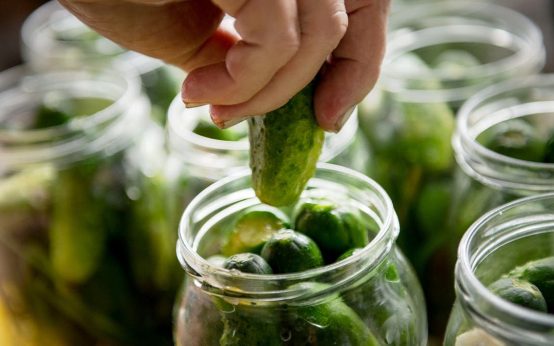 Pickle-Flavored Snacks Surge in Popularity: A Social Media Driven Craze
 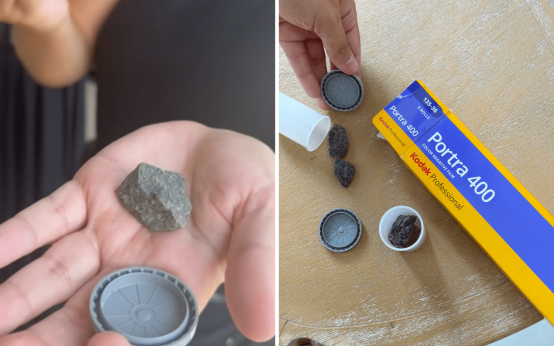 Wedding Photographer’s Unexpected Amazon Purchase
  Unsupervised Play: The Benefits Over Commercialized Youth Sports
 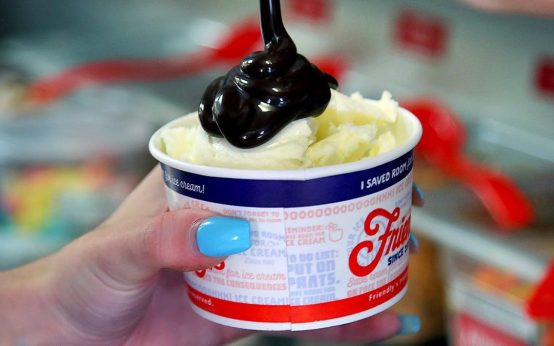 Friendly’s: From Ice-Cream Shop to Iconic Chain Facing Modern Challenges
  Florida Man Claims ‘Lion Diet’ Transformed Health and Life
  Navigating Parenting Challenges with Teenagers