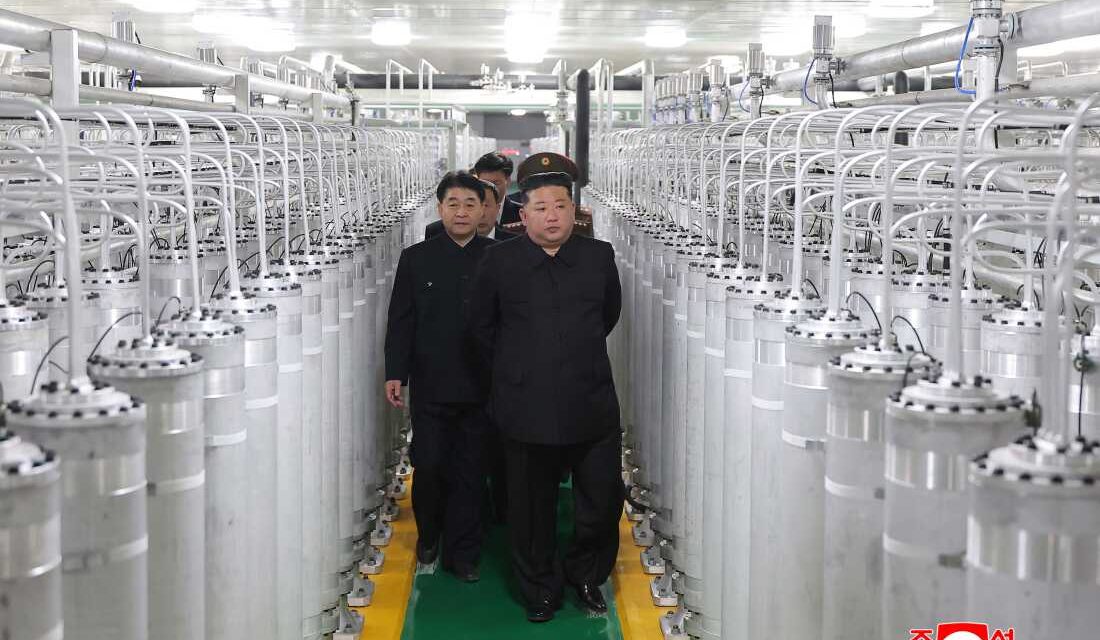
Kim Jong Un recently visited a facility in North Korea designed to produce nuclear bomb fuels. The image of this visit, provided by the North Korean government, cannot be independently verified.
South Korea is adapting its policy regarding North Korea’s nuclear program. President Lee Jae Myung acknowledged a new reality, and Unification Minister Chung Dong-young stated South Korea aims to freeze North Korea’s nuclear activities. Instead of demanding an immediate disarmament, Seoul plans to negotiate interim steps and offer concessions.
Negotiations will initially focus on stopping the production of nuclear weapons rather than dismantling them entirely. This shift in strategy comes as North Korea strengthens its alliances with Russia and China. Recently, Ukrainian President Volodymyr Zelenskyy noted Russia’s intention to receive 30,000 North Korean troops to support its conflict with Ukraine.
International coordination against North Korea’s nuclear program is waning. Since taking office, President Trump has referred to North Korea as a nuclear power, diverging from traditional U.S. policy. The National Security Strategy has also omitted references to North Korea or denuclearization. Meanwhile, China has shown less emphasis on this issue, with President Xi Jinping avoiding the topic during a visit to Pyongyang.
North Korea’s leadership, represented by Kim Jong Un’s sister Kim Yo Jong, dismisses denuclearization calls. She labeled achieving a nuclear arsenal as an ‘irreversible final conclusion.’ According to Lee Ho-ryung of the Korea Institute for Defense Analyses, Kim Jong Un’s policies enshrine the country’s nuclear status.
The cost of maintaining nuclear weapons has decreased under diminished international sanctions. Yang Moo-jin, professor emeritus at the University of North Korean Studies, suggests that past policies were viable because China and Russia enforced sanctions. Reports accuse these nations of circumventing sanctions, but both governments deny the claims.
North Korea’s nuclear capabilities continue to expand. Kim Jong Un announced that fissile material production had more than doubled in five years. The Stockholm International Peace Research Institute estimates North Korea holds around 60 nuclear warheads and material for at least 30 more.
Despite South Korea’s policy shift, experts remain skeptical about North Korea’s willingness to engage in negotiations. KIDA’s Lee Ho-ryung suggests that South Korea’s new approach lacks substantive differences from the past. North Korea, buoyed by its relationship with Moscow, may see little need to negotiate. Professor Yang Moo-jin highlights Russia’s backing for North Korea’s nuclear force, relayed by Russian Foreign Minister Sergey Lavrov’s statements dismissing denuclearization efforts.
 Gorillaz and Macklemore Respond to Controversy Over Israel-Palestine Statements
  Investigation into Lion Deaths in Tanzania
 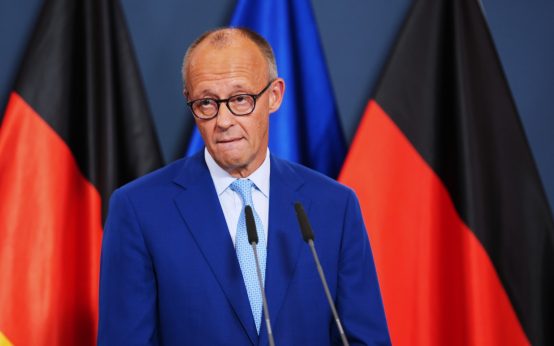 Merz Stays Resolute Amid Electoral Shifts in Germany
  The Impact of Arts and Closure on Democracy
 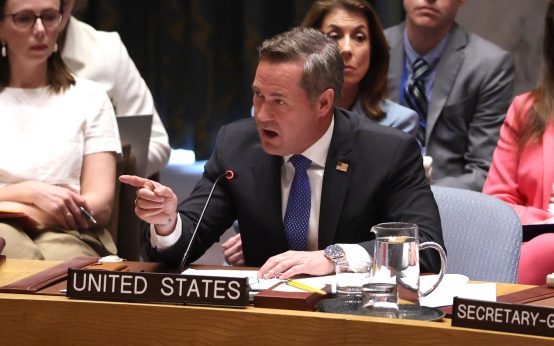 U.S. Ambassador Comments on Iran War Duration Amid Political Concerns
 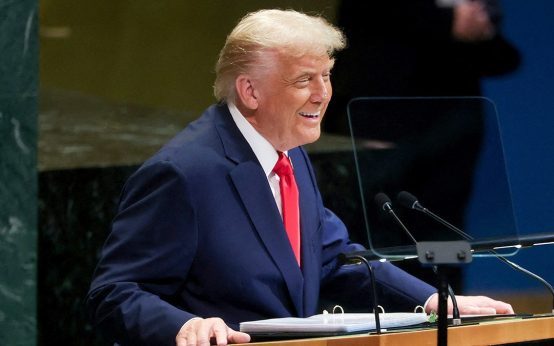 U.S.-Iran Relations and Diplomacy at Upcoming U.N. Assembly