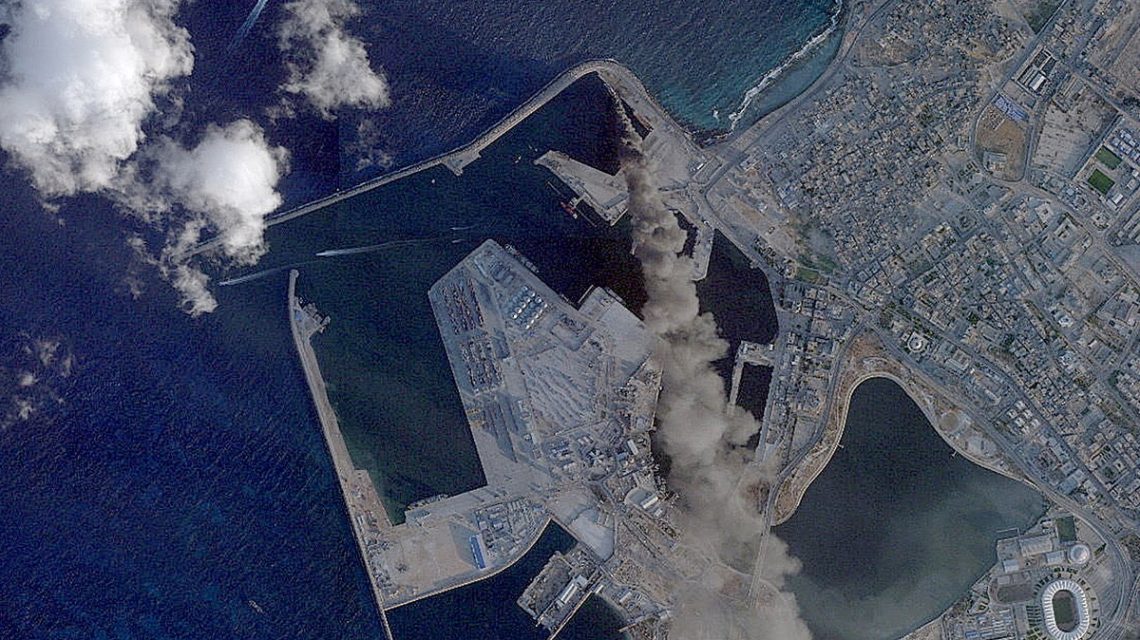
A Ukrainian drone strike recently resulted in the sinking of a Russian warship located in Libya, as Ukrainian President Volodymyr Zelenskyy announced on Telegram. This event exemplifies the growing intensity in the ongoing conflict. Continuous Russian bombardment has led to emergency rescue operations in Kyiv, underscoring the severity of the situation.
A former U.S. national security adviser labeled the drone attack as a ‘serious escalation’. He described the Ukrainian President’s actions as a ‘giant tantrum’. The strike on the Russian warship Mercury in Benghazi, Libya, signals potential strain in diplomatic relations, particularly affecting interactions between Zelenskyy and former U.S. Presidents Donald Trump and Joe Biden.
Morgan Murphy, a former press secretary for the U.S. Secretary of Defense, noted that Ukraine’s actions complicate diplomatic priorities for Washington. These developments have reportedly caused frustrations in previous U.S. administrations. President Biden allegedly expressed impatience with Zelenskyy during past communications, highlighting tensions over military aid requests.
The drone assault in Libya, coordinated by Ukraine’s SBU intelligence agency and armed forces, steepens the complexities of international relations. The absence of Zelenskyy from recent U.S. diplomatic meetings with Vladimir Putin and Xi Jinping may have prompted this aggressive military maneuver.
This operation is a reflection of Ukraine’s endeavor to achieve significant military success. Ukrainian leadership sees military victories as a pathway to securing international support, especially after initial successes against Russian forces.
As the war progresses, Murphy points out that maintaining global enthusiasm for Ukraine’s cause becomes challenging. The conflict has evolved into a stalemate, requiring strategic military initiatives. Ukraine’s ability to reach Russian targets far from its borders underscores its evolving capabilities in modern warfare, though questions about the strike’s origins linger.
The implications of advanced drone usage in conflict zones highlight a fundamental shift in military strategies globally. Understanding and adapting to these changes is crucial for future military planning. Murphy emphasized that while the military aspect of this strike is significant, its diplomatic repercussions could hinder peace negotiations being pursued by U.S. policymakers.
Washington’s diplomats desire a swift resolution to the conflict. However, the recent events in Libya may disrupt efforts aimed at achieving a negotiated settlement, impacting international diplomacy.
 Federal Court Releases Redacted Documents on Raid of Rep. Ilhan Omar’s Home
 Pearl Jam Criticizes ICE Over Seattle Airport Arrests
 Controversy Surrounding Nvidia CEO Jensen Huang’s Return Sparks Congressional Investigation
 Hunter College Event Cancellation Sparks Criticism
 Pope Leo XIV and Donald Trump: Different Approaches to Sports and Leadership
 Ex-Trump Strategist Suggests Presidential Resignation for GOP’s 2028 Success