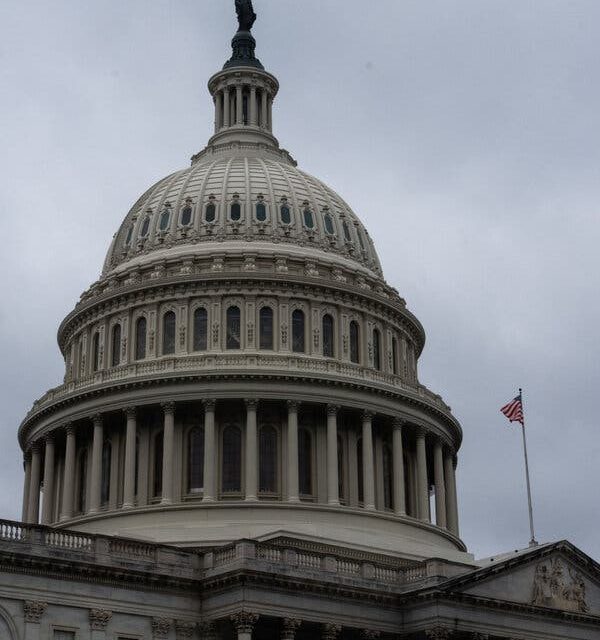
The Senate recently passed a resolution urging President Trump to halt military operations in Iran or obtain congressional approval to continue them. This decision signifies a notable bipartisan disagreement regarding the conflict.
Although the resolution itself holds no legal power, the vote represented a substantial congressional pushback against a president who typically encounters little opposition from his party, especially on war and national security issues. The resolution stemmed from increasing concern among Republicans about the war’s continuation and Trump’s cease-fire agreement with Iran after five months of hostilities. The G.O.P. is increasingly uncomfortable with consistently deferring to the president, who has yet to request congressional approval for the conflict.
Four Republicans joined Democrats in the Senate to support this measure, resulting in a narrow 50-to-48 vote. This move indicates a growing dissatisfaction within the Republican Party as the midterm elections approach, with G.O.P. control of Congress potentially at risk. Polls showing widespread disapproval of the conflict have brought some lawmakers to voice concerns about the economic impact, unclear goals, and the possibility of a larger regional escalation.
This vote marks the first instance since the War Powers Resolution of 1973 that both chambers of Congress have passed a concurrent resolution directly instructing a president to end a military engagement. The House had approved the measure earlier amid disunity within Republican leadership. Senator John Fetterman of Pennsylvania was the sole Democrat against the resolution, while Senators Rand Paul, Lisa Murkowski, Susan Collins, and Bill Cassidy supported it, diverging from their Republican colleagues.
The War Powers Resolution originally emerged in response to congressional disputes with President Richard Nixon over the Vietnam War, with Congress successfully overriding his veto to reclaim authority on wartime decisions.
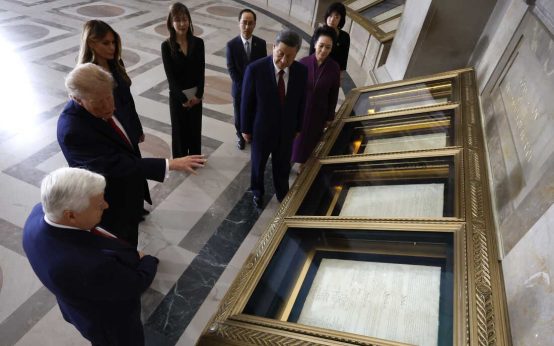 Historical Discrepancies and Diplomatic Sensitivities in U.S.-China Relations
  Zohran Mamdani’s Vision for Affordable Child Care in New York City
  Senator Ted Cruz Leads Effort to Reform College Athletics Regulation
  California Governor Signs Bills Challenging Federal Immigration Policies
 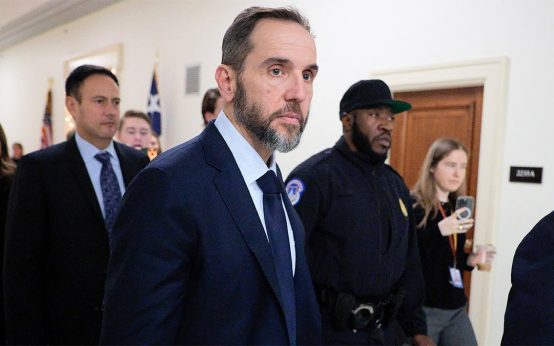 Jim Jordan Claims Jack Smith Misled Congress
  Why 1913 Marked a Turning Point for American Governance