
Senate Prepares for Critical Vote
The Senate is gearing up for a significant test vote concerning landmark cryptocurrency legislation. This event represents a pivotal moment in the political landscape, highlighting the ongoing debate over digital currency regulation.
Political Battle Unfolds
Key figures such as President Donald Trump are showcasing support for the cryptocurrency industry. Conversely, opposition remains strong from notable senators, including Elizabeth Warren (D-Mass.) and Adam Schiff (D-Calif.). This division underscores the complexity of the legislative process as lawmakers navigate the rapidly evolving world of digital finance.
House Moves Forward with Transformative Currency Legislation
Separately, the House of Representatives has taken a decisive step by passing the Common Cents Act. The bipartisan bill seeks to eliminate the penny, removing it from everyday circulation and aligning cash transactions to the nearest five cents.
The House vote reflects a shift towards practical currency reforms.
Existing pennies will continue to be legal tender. However, the Treasury Department is instructed to halt production of new pennies, potentially leading to long-term cost savings.
Cost-Cutting Measures and Future Implications
Chairwoman Lisa McClain (R-Mich.) in collaboration with Rep. Robert Garcia (D-Calif.) spearheaded the legislation aiming to streamline currency production. The bill indicates potential savings by reducing production costs and addressing outdated financial practices.
The U.S. Mint is also exploring cheaper materials for nickel production. This initiative seeks not only to cut costs but to modernize the nation’s currency system.
Impact Monitoring and Societal Considerations
Congress will actively monitor the legislation’s effects, particularly on vulnerable groups such as low-income families and older adults. This proactive approach focuses on ensuring the transition does not negatively impact those who rely heavily on cash transactions.
 AI and the Changing Nature of Google Searches
  A Mother’s Tragic Journey Under Abortion Ban
  U.S. Strategic Goals Remain Unmet Amid Prolonged Conflict
  Data Centers Stir Controversy in Texas Amid Growth Boom
  The Impact of Arts and Closure on Democracy
 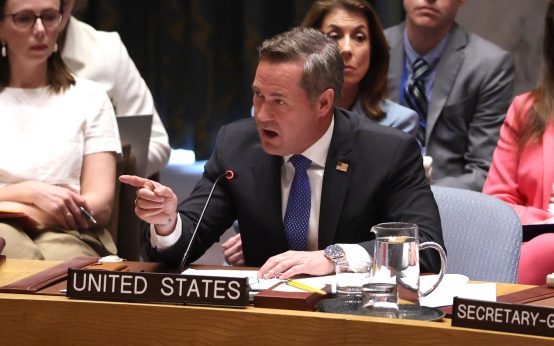 U.S. Ambassador Comments on Iran War Duration Amid Political Concerns