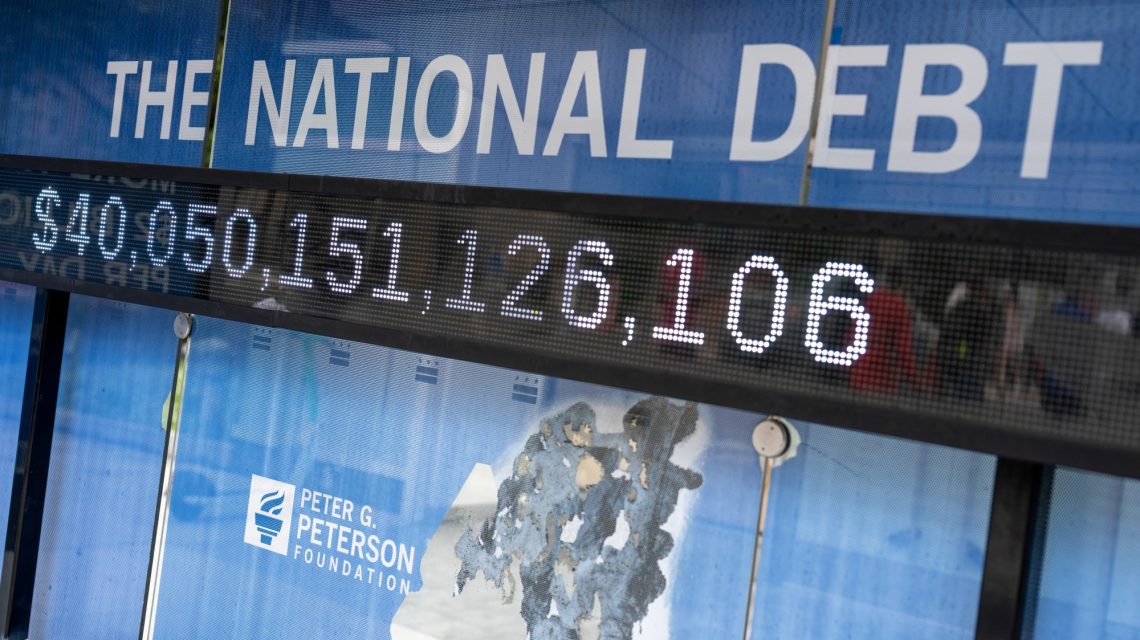
The U.S. public debt surpassed $40 trillion in August 2026, marking a 33% increase in under five years. This surge continues as lawmakers overlook historically large fiscal deficits. The 2026 fiscal year saw the federal deficit reaching $2 trillion. This equates to Washington spending about $15,000 more per household than it collected in revenue.
This deficit stems not from emergencies but from the prevailing fiscal strategy. In the next decade, Washington’s deficits are expected to average $2.4 trillion annually. The House of Representatives has passed several bills aiming for taxpayer savings by curbing fraud in federal spending programs. The Government Accountability Office estimates annual fraud costs between $233 billion and $521 billion.
Legislation to Combat Fraud
One effort is the Pre-Payment Fraud Prevention and Treasury Data Access Act, sponsored by Rep. James Comer. This bill plans to improve the Treasury’s Do Not Pay system by adding data sources and aiding agencies in verifying eligibility before payments.
Another, the Zeroing Out Monetary Benefits Improperly Expended Act (ZOMBIE Act), proposed by Rep. Gary Palmer, suggests updating federal law to focus on real-time auditing and risk management. It mandates an annual meeting of state officials with the Treasury secretary to enhance state-controlled program fraud prevention efforts.
Rep. Pete Sessions introduced the Fraud Prevention and Accountability Act. It aims to establish a permanent government-wide anti-fraud Inspector General within the Treasury, transferring Pandemic Response Accountability Committee tools into this office and extending their scope.
Awaiting Senate Action
Each bill, having gained broad bipartisan support in the House, is pending Senate action. Senate leaders might expedite these bills or pass them via unanimous consent.
There is significant potential for Congress to improve government efficiency and combat fraud. The Government Accountability Office has outlined methods Congress can adopt to address fraud, estimating potential financial benefits of $132 billion to $251 billion from its recommendations.
Stopping fraud won’t eliminate the $2 trillion deficit. Yet, the considerable fiscal problem underscores the need for achievable savings. Senate leaders should prioritize passing these bipartisan reforms during the upcoming session.
 New York Gubernatorial Debate: Hochul vs. Blakeman
  Trump Administration Files Record Emergency Pleas to Supreme Court
  Busy Debate Night and Political Updates
  Investigation Involving Ilhan Omar’s Immigration Documents
  The President’s Disconnect with Electoral Challenges
  Analyzing the 2026 House Battle in Comparison to Past Elections