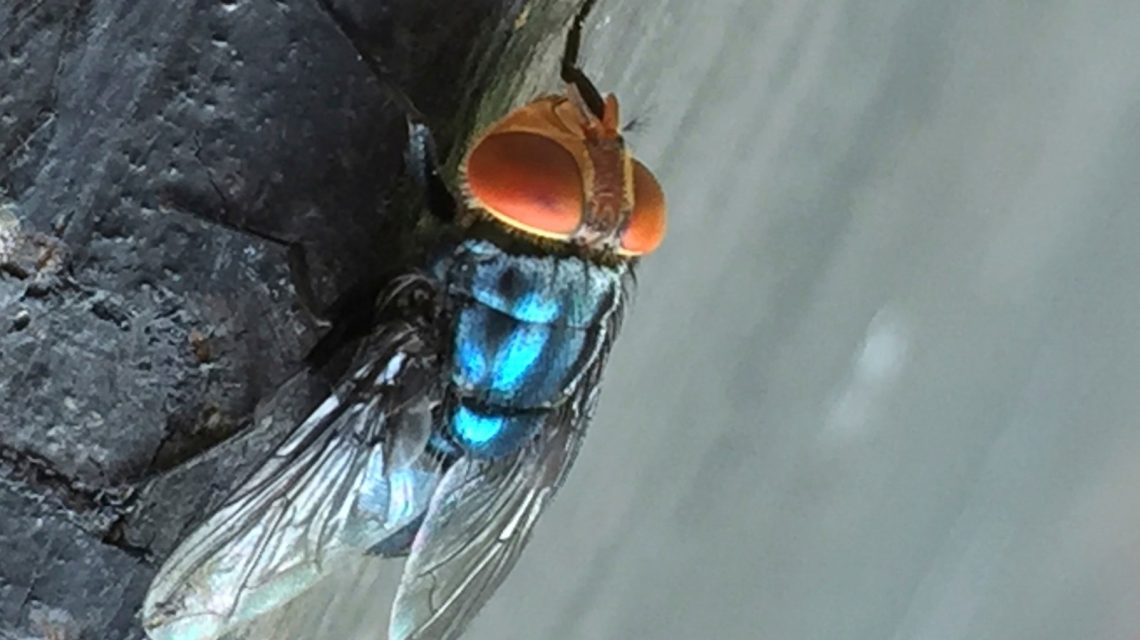
A second case of New World screwworm has been confirmed in a calf in Texas. Canada’s food inspection agency has responded with a temporary ban on livestock from the region. The U.S. Department of Agriculture (USDA) reported that the new case in Zavala County was found on a ranch about 5 miles from the first known case in Texas. This initial case involved a 3-week-old calf in La Pryor, close to the U.S.-Mexico border.
The USDA’s Animal and Plant Health Inspection Service (APHIS) announced the discovery following tests on several suspected cases. APHIS and the Texas Animal Health Commission continue to collect and test samples from the area, which have so far returned negative results. A quarantine zone is established around both infection sites, restricting animal movement without inspection.
Efforts to Control Screwworm Spread
The screwworm was detected in Mexico in late 2024 after being contained in Panama for years. Authorities have aimed to prevent its spread to Texas, which houses a significant cattle industry valued at $17 billion. A widespread parasite outbreak could threaten the economy by reducing cattle supplies, disrupting trade, and increasing beef prices.
Texas Governor Greg Abbott has expanded a state disaster declaration, enabling all state resources to address the issue. The state is accelerating efforts to distribute sterile flies and construct a sterile fly facility to interrupt the parasite’s reproductive cycle. “We have eradicated this pest before, and we will do it again,” Abbott stated.
Impact on Canadian Livestock Imports
Canada’s food inspection agency has implemented temporary restrictions on livestock imports from Texas. The Canadian Food Inspection Agency (CIFA) stated that animals from Texas seen at the Canada-U.S. border within 21 days of departure wouldn’t be accepted.
The flesh-eating larvae pose a severe risk, but Canada’s cooler climate is less conducive to long-term parasite survival. Nevertheless, the agency considers this measure essential for animal health protection. Pet owners and veterinarians in Canada are advised to monitor animals for screwworm signs, especially those with worsening wounds and unpleasant odors.
Understanding the Screwworm Threat
The New World screwworm parasitic fly’s larvae consume living tissue from warm-blooded hosts, causing life-threatening wounds. Female flies lay eggs in open wounds, with larvae burrowing into healthy flesh rather than dead tissue.
Livestock are the primary victims, though wildlife, pets, and occasionally humans can be infected. The screwworm spreads mainly through the movement of infested animals, placing trade and migration at the center of its transmission.
Screwworm Symptoms and Prevention in Animals
Infections often lead to painful wounds with foul odors and slow healing. Other signs include visible larvae, unusual wound discharge, and signs of distress. Unchecked, these can result in serious tissue damage and secondary infections.
For humans, rare cases may involve painful skin lesions. Fever and chills can occur if wounds become infected.
Protecting Pets and Livestock
Pets like dogs and cats, when exposed, are vulnerable. Owners should be vigilant for wounds that worsen rather than heal. Early warning signs include persistent licking or biting, discharge from sores, and visible larvae.
Regular checks and prompt treatment of minor wounds are crucial, especially for animals from high-risk areas. “Visual inspection is key to identifying infected animals,” advises Sally DeNotta, an infectious disease expert. She stresses that the disease is treatable and early veterinary intervention reduces further spread.
 Potential Impact of Tropical Storm Polo on Southern California
  Shooting Incident at South Los Angeles Senior Assisted Living Facility
  Legal Challenges in Pursuing a Wrongful Death Claim Against Utah Valley University
  Man Arrested After Fatal Stabbing on Chicago’s South Side
  Debate Over ICE Action in Austin Escalates
  Fatal Car Crash in Grand Rapids Involving ICE Agents