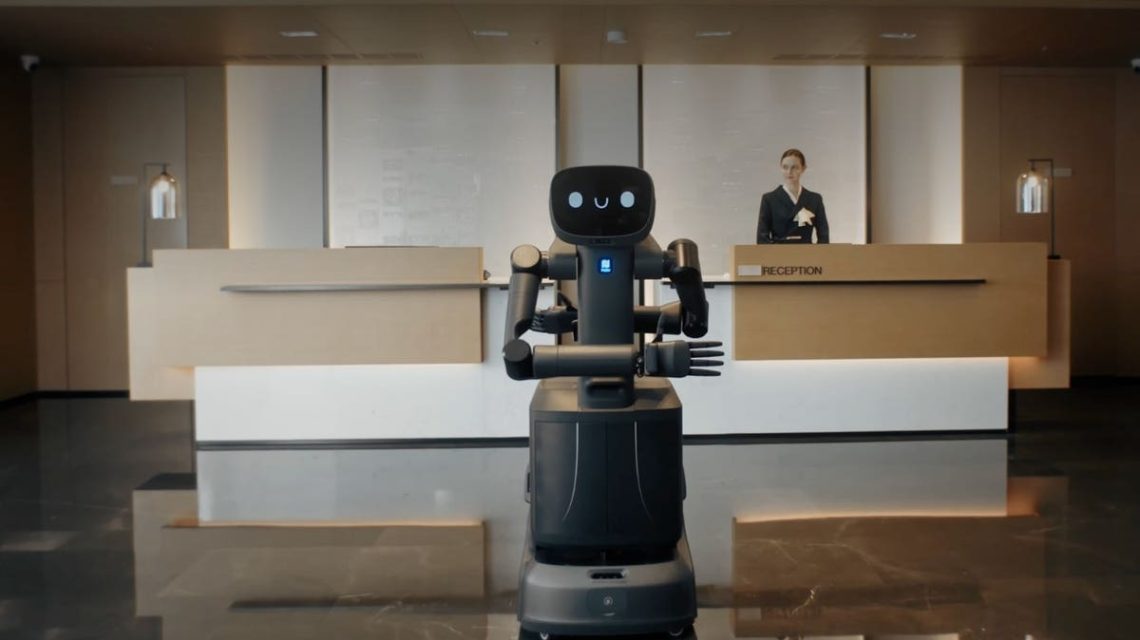
Pudu Robotics has unveiled plans for the first ‘full-scenario robot-serviced hotel.’ This project aims to integrate robots into every aspect of a guest’s stay, from reception to room service and cleaning. The hotel is scheduled to open in 2027, with trials for its robot-powered services starting in late 2026. Early guests will experience robot check-in and autonomous in-room delivery as a preview before the full launch.
Location of the Robot-Run Hotel
The hotel will be established on West Artificial Island, linked to the Shenzhen-Zhongshan Link in Guangdong Province. This cross-sea bridge and tunnel project is a key piece of the Pearl River Delta’s transportation network. The location reflects Shenzhen’s status as a technological hub, where room-service delivery robots are already prevalent in many hotels. However, Pudu’s project takes this trend much further, aiming to develop a cohesive robot service system to manage the entire guest experience.
Robots’ Functions Inside the Hotel
The hotel plans to feature 44 high-end rooms, along with a restaurant, gym, and other guest areas. Robots will be assigned various roles, including reception, room service, food preparation, and guest support. Guests will interact with robots for check-in, luggage delivery, and even ordering drinks from a mobile device. Cleaning robots will utilize AI for waste detection and room maintenance, operating within a shared intelligence framework connecting all machinery through a unified software system.
Behind-the-Scenes Robotics
Pudu’s FlashBot will manage an intelligent vending system for drink deliveries, while the PUDU T300 will transport luggage from the lobby to rooms. The PUDU CC1 Pro and PUDU MT1 cleaning robots will perform cleaning duties using AI-enhanced technology. During the Shenzhen launch event, visitors experienced robot service as BellaBot Pro served coffee and KettyBot Pro provided refreshments, fitting seamlessly into Shenzhen’s evolving tech culture.
AI Management of the Hotel Experience
The hotel’s operation will rely on the PuduFM 1.0 embodied intelligence foundation model alongside PuduAgent to coordinate intelligent processes. Cong Guo, co-founder and CTO of Pudu Robotics, emphasizes that this initiative offers a platform to explore new service models where AI and robotics collaboratively provide connected service experiences. The rollout, expected to begin in late 2026, will gradually transition into a broader opening in 2027.
Embracing Robot Hospitality in China
China has warmly welcomed service robots across various sectors like hotels, restaurants, and airports. This robot-run hotel project elevates the concept further. Shenzhen Culture & Tourism Industry Development aims to transform West Artificial Island into a destination for robotics and technology, with this hotel merely being a component of a larger plan incorporating more robotics in tourism and hospitality over four years.
Implications for Travelers
Should this hotel prove successful, it could redefine travel expectations, offering faster check-ins, automated deliveries, and continuous service. While the convenience is appealing, the rise of robot-run hotels raises concerns about employment, privacy, safety, and the essence of hospitality. Some travelers might appreciate the efficiency, while others could miss the personal touch that human interactions offer. The project’s outcome will be crucial in understanding readiness for AI-managed hotel stays.
In essence, China’s first robot-run hotel marks a significant experiment in hospitality automation. While robots in hallways are common, this initiative places them at the forefront. As travelers experience services like robotic check-ins and luggage delivery, the value of quick service might weigh against the traditional human connection synonymous with hospitality.
 AI and the Changing Nature of Google Searches
  Debate Intensifies Over AI Development Amid Presidential Remarks
 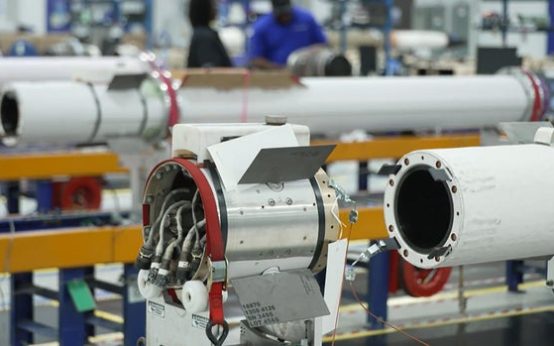 Challenges and Innovations in U.S. Defense Production
  The Role of Stablecoins in Modernizing Banking
  Food Delivery Robots on the Rise in Washington D.C.
 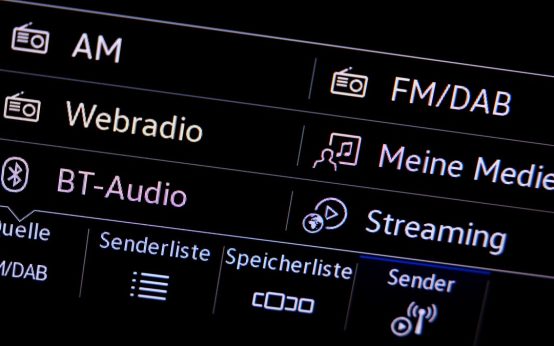 AM Radio’s Longevity and Legislative Support