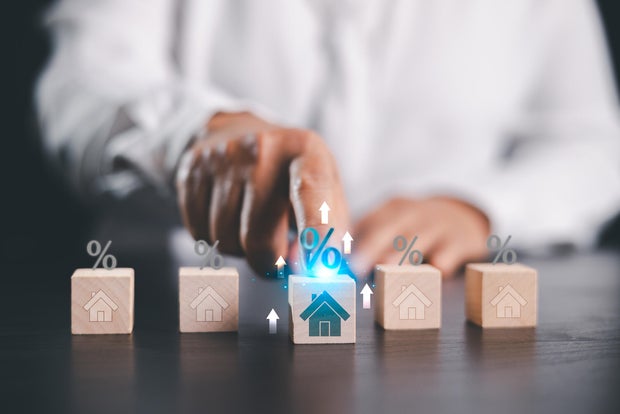
Rising inflation has led to increased mortgage interest rates for borrowers. Mortgage rates have climbed from the high 5% range to approximately 6.62%, driven by inflation reaching its highest level in three years. This change affects everything, including groceries and gas prices.
Impact of Inflation on Mortgage Rates
Experts suggest that mortgage rates are expected to remain in the mid-to-upper 6% range for the balance of the year. Jeff Taylor from the Mortgage Bankers Association believes there’s potential for rates to reach the 7% range if the Iran conflict continues. This war has influenced inflation and resulted in investors selling mortgage bonds, which drive rates higher.
Bonds, including mortgage-backed securities and 10-year Treasuries, significantly impact mortgage rates. A drop in bond yields typically lowers mortgage rates; however, a rise—like during a major sell-off—makes mortgages pricier. Brian Shahwan from William Raveis Mortgage explains that higher inflation equals higher bond yields, which translates to increased mortgage rates.
The Federal Reserve’s policy also affects mortgage rates. Although the central bank cut rates three times last year, no reductions have occurred in 2026. The CME Group’s FedWatch tool indicates a rate cut is increasingly unlikely this year, with a rate hike more probable.
Impact on Housing Affordability
Higher mortgage rates lead to increased monthly payments, but inflation has other effects, too. It elevates home prices, particularly for new builds facing higher material and transport costs. Home insurance may also become more expensive, and buyers’ budgets might shrink.
Brian Shahwan notes that higher borrowing costs could mean buyers qualify for smaller loans or must extend their budgets to cover interest, taxes, insurance, and other rising housing expenses. Inflation diminishes the value of down payments, and falling wages exacerbate pressure on lower-income borrowers.
Nicole Rueth from CrossCountry Mortgage highlights how inflation impacts purchasing power. Real wages have recently turned negative, meaning inflation outpaces wage growth, worsening the situation for first-time buyers and lower-to-middle income households.
Potential Relief Ahead
Experts don’t foresee a continuous rise in rates. The ongoing conflict in Iran currently drives inflation and high rates, so resolution could lead to a decline. Kevin Watson, a home loan specialist, believes that rates might fall as oil prices stabilize, shipping disruptions end, and inflation subsides.
A new Federal Reserve chairman, Kevin Warsh, aims to keep rates below 7% by aligning with White House goals to lower rates with a dovish stance.
Strategies to Mitigate High Rates
Several strategies can help borrowers deal with higher mortgage rates. Adjustable-rate mortgage products, relationship pricing, first-time buyer programs, and free rate float-downs are ways to minimize monthly costs, according to Brian Shahwan.
Shopping for a mortgage lender, using a mortgage broker, buying discount points, or utilizing a mortgage buydown program can help reduce the impact of higher rates and payments.
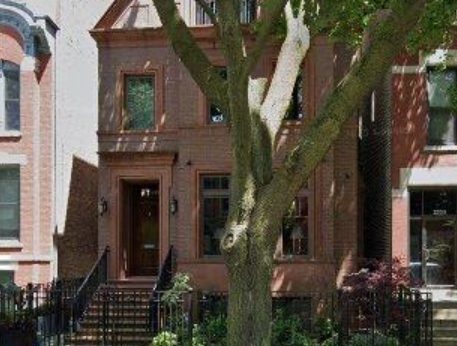 Former Chicago Federal Prosecutor Sells Lincoln Park Mansion
 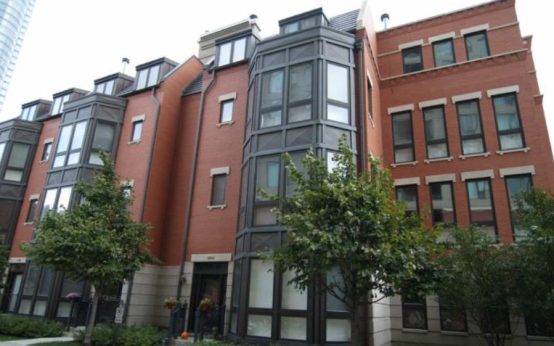 Jevon Carter Sells Chicago Townhome in West Town Neighborhood
 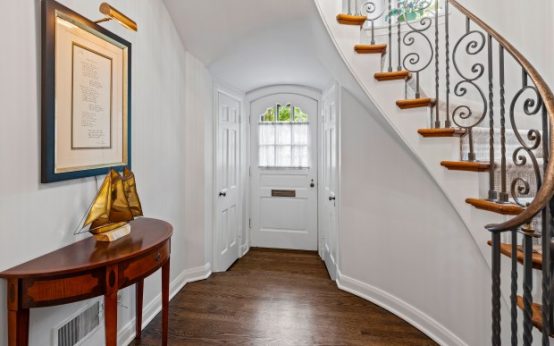 Luxury Home in River Forest with Elegant Features
  Disclosing Neighborhood Rumors: A Decision to Consider
  Historic Church Transformed Into Los Angeles Boutique Hotel
  Amazon Offers Discounts to Employees at Whole Foods