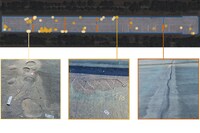
The renovation of the Lincoln Memorial Reflecting Pool encountered significant issues, with damage reported in at least 85 locations. The problems stemmed from errors during the renovation, such as refilling the basin before the liner was fully dried. This information emerged from an inspection report acquired by The Washington Post.
The report, dated August 6, which came from the contractor responsible for the renovation, highlighted more damage than previously known. Contrary to initial claims of vandalism by some, the report attributed the damage to improper materials and a rushed timeline aimed at completing the project in time for the nation’s 250th anniversary.
According to the 75-page analysis by Atlantic Coating Inspection, the deficiencies included blisters, peeling, and cracks in the pool liner. Among these, the blue coating buckled along eight out of ten expansion joints dividing the pool’s concrete slabs. Issues such as moisture or trapped chemical fumes also led to blistering in nearly 40 spots, while peeling occurred in about 24 places due to coating separation or detachment.
The problems arose after Atlantic Industrial Coatings (AIC) conducted a $14.7 million renovation under a no-bid contract awarded by the Trump administration. The justification for the no-bid contract was a limited number of qualified contractors. Despite describing many failures as cosmetic, AIC recognized systemic issues, offering to cover repair costs under warranty.
Labor oversight was blamed for human errors, such as insufficient primer application. The Interior Department stated that AIC is contractually obliged to repair the pool. The contractor promised to ensure meticulous reparations following instances of vandalism that damaged the work.
Previously, the Reflecting Pool faced challenges with algae and leaks since its initial construction. A significant renovation in 2012 improved its structure and filtration. In April, the pool’s makeover involved a resurfacing project using specified materials, including a primer and a dark blue coating, as per contracting documents.
After the renovation started in late April, the pool was refilled by early June. However, algae bloomed rapidly, turning the water green. Soon, paint peeled away, revealing underlying issues. In public statements, officials blamed vandals for these setbacks.
An internal report by the National Park Service noted damage in 13 areas by late June. While it posited that vandalism might explain some issues, a few apparent cuts were likely from construction errors. Despite legal action against alleged vandals, including a former Olympic canoeist, charges were dropped after the oversight revelations.
The draining that followed post-July Fourth festivities led to a detailed inspection, uncovering 85 failure points and additional damage thought to have occurred during testing by the Army Corps of Engineers.
The peeling at expansion joints revealed inadequacies, with the material used failing to accommodate joint movement. Mixing errors, mist drifts, and insufficient drying contributed to other defects, according to the report.
Photos showed unfinished work continuing as the pool began refilling, ignoring mandated curing times. Problems with caulk, not supported by enough cure time before submersion, added to the woes.
Consequently, the inspection distilled the primary takeaway: honor curing guidelines and pre-test materials before usage. Despite the report’s conclusion and dismissed charges against the accused vandal, the blame narrative persisted in high-level statements. AIC outlined corrective actions, adjusting materials and techniques for future repairs while stressing warranty terms that hinge on proper drying periods.
 Taiwan’s Investment in US Gas Infrastructure
  EU Packaging Rules Create Challenges for Small Businesses
  Enduring California’s Environmental Challenges: Genevieve Beals’ Story
  El Niño Intensifies with Record Pacific Ocean Temperatures
  Water Concerns Dominate Arizona’s Midterm Election Agenda
  Record Loggerhead Sea Turtle Nesting in Georgia