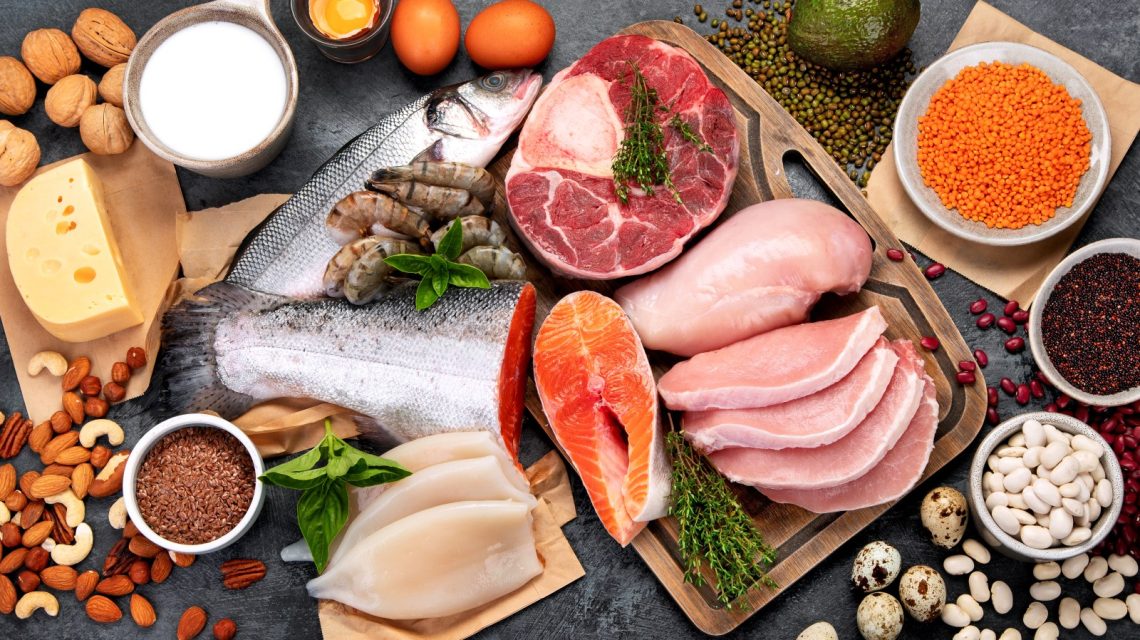
America’s increasing reliance on high-protein diets and protein-enriched foods could be more detrimental than beneficial for sedentary adults. A recent scientific review suggests eating less protein may promote healthier aging and longevity.
Research Insights
Published on July 31 in the journal Cell Press Blue, the review scrutinized over 350 studies on protein reduction and its effects on aging in various organisms like yeast and rodents. The authors assert that minimizing protein intake or limiting certain amino acids in protein-laden foods might enhance metabolism, decrease cellular damage, and activate biological processes associated with a prolonged lifespan.
The findings coincide with a national movement toward increased protein consumption. Earlier, Health and Human Services (HHS) Secretary Robert F. Kennedy Jr. emphasized updated dietary recommendations that advise Americans to focus on protein intake. These guidelines propose an intake of approximately 1.2 to 1.6 grams of protein per kilogram of body weight each day, in contrast to the previous Recommended Dietary Allowance of 0.8 grams per kilogram.
Protein and Its Role
Protein is essential for muscle development, tissue repair, and recuperation. Diets with higher protein content are often advised for athletes and seniors to support muscle preservation and prevent sarcopenia, a condition linked to muscle loss with aging. However, the review implies that many relatively inactive adults might face health trade-offs from consuming excessive protein.
“It’s absolutely crystal clear that there are benefits of protein to muscle growth and exercise response of active individuals. But because most people are relatively sedentary, many people are likely consuming more protein than they actually need, which probably has negative health consequences,” co-author Dudley Lamming from the University of Wisconsin–Madison stated.
Exploring Caloric and Protein Restriction
The study also delves into ongoing research on caloric restriction. For years, studies demonstrated that decreasing calorie consumption without causing malnutrition could extend lifespan in animals and lower age-related disease risks. The authors mention that limiting protein might trigger some biological mechanisms similar to those associated with caloric restriction, potentially offering advantages without drastically cutting calories.
Why Less Protein Could Be Beneficial
The review explains that substantial protein intake may promote growth processes over cellular functions believed to aid healthy aging and disease resilience. In studies, especially those on mice, protein restriction is linked to improved metabolic health and longer lifespans, even with similar caloric intake.
The review suggests emphasizing specific amino acids instead of total protein intake. Methionine, found in meat, fish, eggs, and dairy, and branched-chain amino acids (BCAAs) like isoleucine and valine, common in animal products and supplements, are crucial. Plant sources like soybeans, lentils, and nuts contain these amino acids but in varying amounts.
While much evidence comes from yeast, fly, and rodent studies showing extended lifespans and metabolic health gains through protein restriction, the authors also highlight human trials suggesting lower-protein diets can benefit body weight, fat mass, and blood sugar levels.
Not a Universal Recommendation
The authors emphasize that the results don’t vilify protein or suggest every healthy adult should immediately cut intake. The paper acknowledges higher protein intake benefits in specific scenarios. Numerous studies report that protein-rich diets assist older adults in sustaining muscle mass, enhancing strength when coupled with resistance exercises and aiding weight control.
This seemingly contradictory evidence underscores nutrition science’s complexity. A physically active individual aiming to build muscle typically has distinct protein needs than a sedentary person. Age also plays a role, as muscle deterioration accelerates as one ages.
The review recommends that dietary guidelines become more personalized rather than presuming more protein is universally advantageous.
For inquiries on this topic, reach Newsweek editors Jason Lemon and Sam Wilson.
 Lymphatic Drainage and Ice Sculpting: Emerging Wellness Trends
  The Rising Trend of GLP-1 Medications Among College Students
  The Challenges and Opportunities of Testosterone Therapy for Menopausal Women
  Concerns Rise Over NIPSCO Permit In Jasper County
  Long-Term Health Impacts of 9/11 and the Continuing Response
  Mental Health Challenges for Women with Type 2 Diabetes