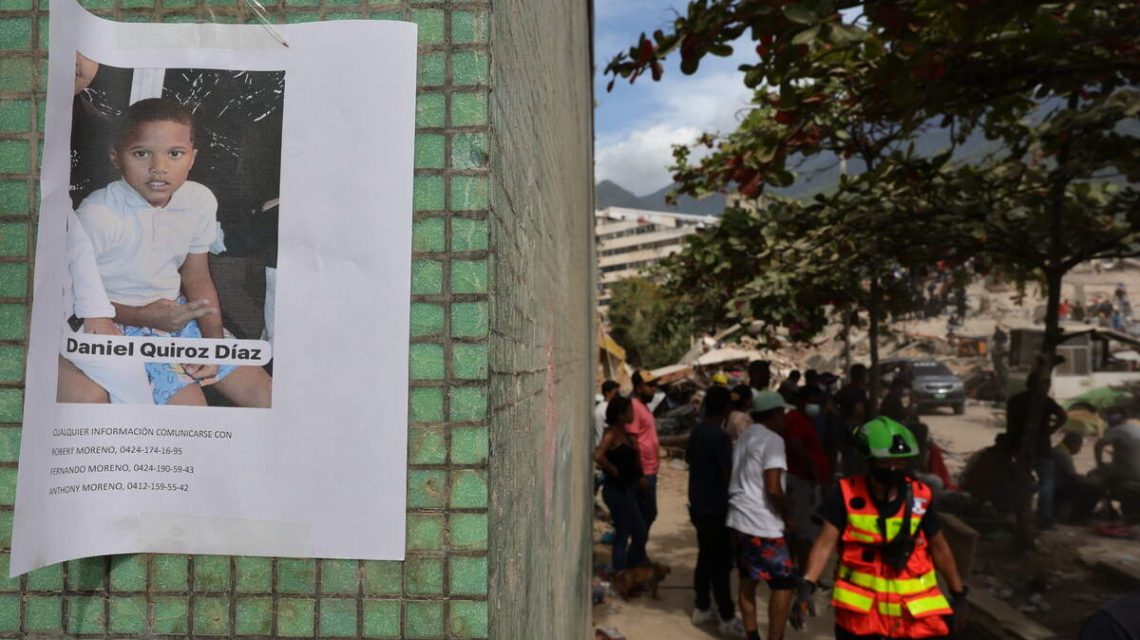
The image of a missing child on a wall is a stark reminder of the tragedy following the 7.2 magnitude earthquake that struck Venezuela and the wider Caribbean on June 28. With over 3,500 fatalities in Venezuela and countless people still unaccounted for, questions linger about whether human actions contributed to the disaster’s impact. Many Venezuelans blame the government for an inadequate response, adding another layer to the ongoing humanitarian crisis exacerbated by policies introduced by Hugo Chávez in the 1990s. These policies enforced state economic control and pushed nearly 8 million Venezuelans into exile.
Amid the chaos, citizens have desperately sought aid. Some have even resorted to digging through debris with their hands to rescue loved ones. Criticism focuses on the collapse of government-built housing during the earthquakes. Residents and experts had long warned that these constructions, often made through dubious contracts and with questionable materials, lacked the resilience for such natural events.
In Caraballeda, part of the hard-hit La Guaira state, a grim revelation supported these concerns. Public housing structures that collapsed revealed layers of concrete mixed with white Styrofoam. Public housing in La Guaira stands out as an epicenter of earthquake casualties. The Misión Vivienda project, initiated in 2011 when Venezuela enjoyed oil wealth, became densely populated before the earthquakes. With elections on the horizon, the constructions proceeded hastily and with little transparency on crucial factors like soil tests and architectural details.
The lack of transparency in Misión Vivienda has been a longstanding issue. In 2017, Venezuelan news outlet El Estimulo criticized the project as unauditable, with no public insights into material quality, financial investments, or the extent of housing delivered. In response to the earthquakes, acting president Delcy Rodríguez claimed that most collapsed buildings were not state-built. Despite this, the government under Chavismo, particularly close to Nicolás Maduro, remains resistant to acknowledging faults. The government celebrates Misión Vivienda as a triumph, attributing over 5.5 million homes to the initiative.
The earthquakes additionally spotlight challenges in U.S. foreign policy towards Venezuela. Despite Maduro’s absence, the dream of a democratic transition appears distant. Conducting fair elections in a country ravaged by disaster seems increasingly unlikely. To Venezuelans residing in South Florida, the earthquakes underscore the failures of Chavismo’s promises of equality and support for the impoverished. These events unveil the darker legacy of a regime marred by corruption and favoritism, elements common in undemocratic systems.
Venezuelans now confront the possibility that ill-constructed public housing resulted in unnecessary loss of life, marking a human catastrophe under Chavismo’s legacy. If this holds true, the ramifications might overshadow those of any natural calamity.
 U.S. Strategic Goals Remain Unmet Amid Prolonged Conflict
  New Photos Reveal Damage from Iranian Strikes in the Middle East
  Assassin of Chilean Diplomat Orlando Letelier Faces Deportation 50 Years After Assassination
  Gorillaz and Macklemore Respond to Controversy Over Israel-Palestine Statements
  Investigation into Lion Deaths in Tanzania
 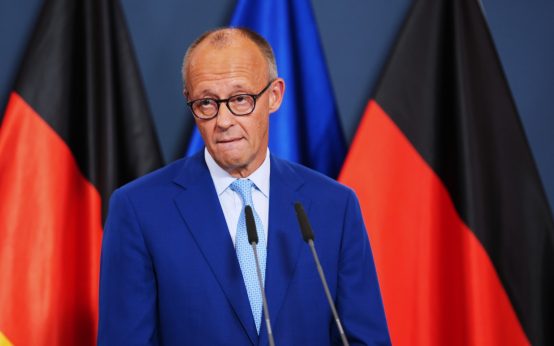 Merz Stays Resolute Amid Electoral Shifts in Germany