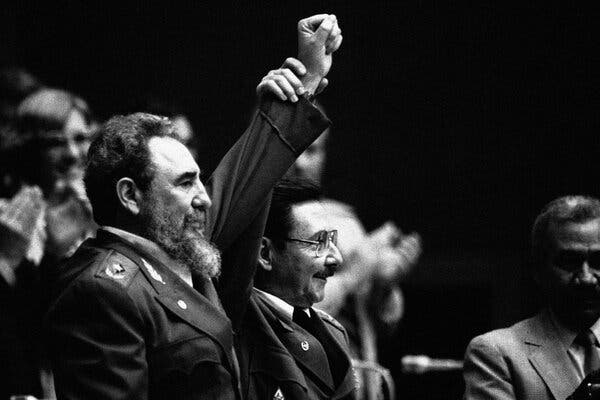
Raúl Castro remains an influential figure in Cuba despite not holding any official titles at the age of 94. His power primarily lies within the military realm, guided by years of experience as Cuba’s defense minister.
Serving as defense minister for 49 years and as president for 12 years until 2018, Raúl Castro played a pivotal role in Cuba’s political landscape after Fidel Castro’s illness. His involvement extends to clandestine talks with the Trump administration regarding the diplomatic impasse between Havana and Washington.
Cuban state media continues to revere Raúl Castro as “the leader of the Cuban Revolution.” Together with Fidel, he orchestrated the 1959 revolution that dismantled the U.S.-aligned dictatorship in Cuba. Despite his frailty, hearing issues, and difficulty in verbal communication, Raúl Castro participates in key events and appeared publicly on May 1 in military attire during the International Workers’ Day parade.
In his youth, Raúl was known for his heavy drinking habit, particularly enjoying vodka shots. Even so, his aging process has been surprisingly smooth, as attested by his former chief of staff, Alcibiades Hidalgo. Hidalgo, who defected to Florida in 2002, remarked to The New York Times that Raúl Castro’s presence will remain a significant factor in shaping Cuba’s future as long as he lives.
“The fact remains that as long as he is alive, he will continue to be a decisive factor in the country’s trajectory,” Mr. Hidalgo reflected.
Fidel Castro, who passed away in 2016, served as the revolution’s magnetic leader while Raúl played the supporting role. According to Brian Latell, a former C.I.A. Cuba analyst, “Fidel was the director, the temperamental and creative one. Raúl did all the backstage work.”
The establishment of Cuba’s Revolutionary Armed Forces was Raúl’s accomplishment after the revolution. This force successfully repelled the ill-fated Bay of Pigs invasion orchestrated by the C.I.A. Additionally, when Fidel Castro proclaimed Cuba a Communist state in 1961, Raúl Castro undertook the organizational tasks for the Cuban Communist Party.
As defense minister, Raúl Castro oversaw the establishment of GAESA, a massive military conglomerate comprising hotels, stores, and various other enterprises. GAESA stands as the dominant economic force in Cuba.
Initial perceptions of Raúl Castro labeled him as a potential reformist leader. He relaxed strict communist economic measures by allowing property and vehicle transactions among Cubans. In 2015, he rekindled diplomatic ties with the United States and later hosted U.S. President Barack Obama on a visit to Havana. Nonetheless, Raúl Castro maintained stringent Communist Party control over Cuba’s one-party system and upheld its stringent state security mechanisms.
 Iowa Senate Election: Turek Leads in Polls Amid Economic Concerns
 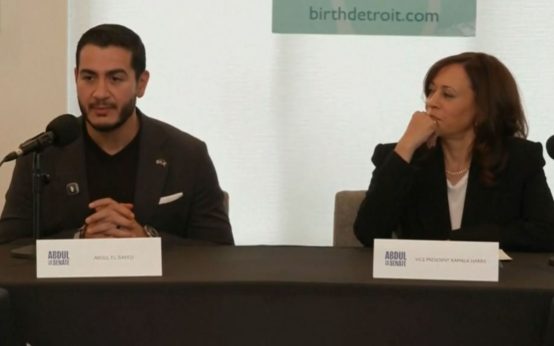 Kamala Harris Joins Abdul El-Sayed in Michigan Senate Campaign
  Public Confidence in the Supreme Court at Record Lows
  Federal Authorities Arrest California Lawmaker’s Aide for Visa Overstay
 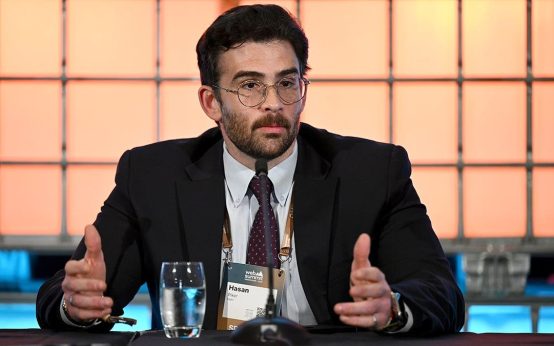 Hasan Piker Addresses Controversial Comments and Political Involvement
 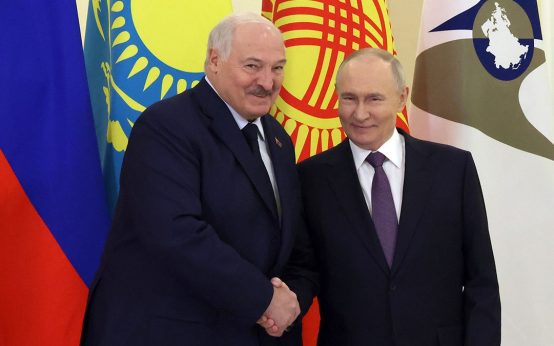 Lukashenko and Putin Share Light Moments While Strengthening Ties