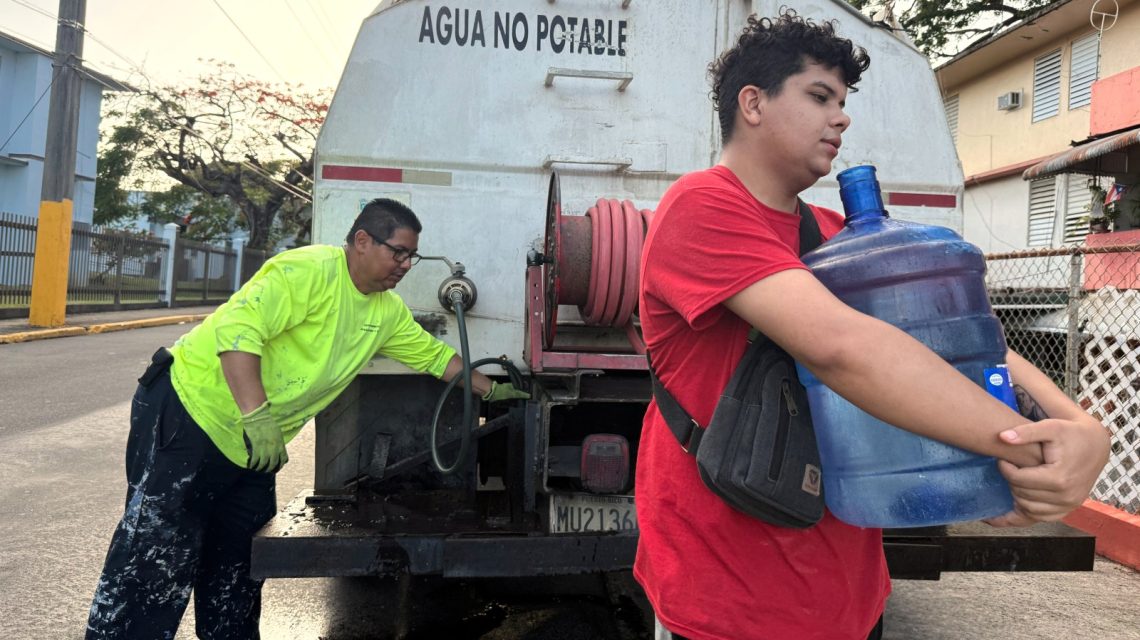
Puerto Rico initiated a significant 48-hour water-rationing schedule, impacting over 180,000 people as drought conditions reach unprecedented levels. Many residents have faced unreliable water service for over 100 days this year. The situation has escalated with no comment from President Donald Trump, even as the island’s residents, businesses, and hospitals face prolonged shortages. Local authorities caution that the emergency may persist for weeks or months, affecting millions of U.S. citizens. The island’s water authority, the Puerto Rico Aqueduct and Sewer Authority (PRASA), reports that the Carraízo reservoir has reached critically low levels, prompting shutdowns across seven municipalities. However, residents note that outages started well before the drought, indicating deeper infrastructure issues left unaddressed by local and federal authorities.
The Executive Director of the Puerto Rico Tourism Company, Willianette Robles Cancel, emphasized coordinating with PRASA and the government to sustain tourism operations, pointing out their focus on anticipating and supporting the sector to ensure service continuity. Yet, the crisis extends beyond tourism, intensifying frustrations over the lack of federal leadership. Newsweek sought a response from the White House, receiving none.
A Federal Silence as a Major U.S. Territory Runs Dry
Despite over 3 million U.S. citizens residing on the island, the Trump administration has made no statement regarding the escalating water shortages. Puerto Rico is experiencing one of its most severe droughts in recent history. July was the driest month San Juan had seen in over 120 years, with the National Oceanic and Atmospheric Administration (NOAA) projecting below-average rainfall and above-normal heat until October due to a strengthening El Niño pattern. The U.S. Drought Monitor’s early-August update indicates about 68 percent of Puerto Rico in drought, with moderate to severe conditions mainly in the interior and northern regions.
Governor Jenniffer González acknowledged her uncertainty about the duration of rationing, describing the situation as “out of our hands.” CBS News reported customers were divided into two alternating groups, experiencing at least 48-hour water shutoffs. Reports suggest the government has not provided a timeline for the end of rationing, and outages may extend to 72 hours at a time. Residents attribute the crisis to long-standing political neglect both locally and federally. In some San Juan neighborhoods, more than 118 days of unreliable service have been reported, with frequent full-day and multi-day shutoffs and low pressure, predating the rationing plan.
Puerto Rico’s government has offered little clarity or urgency on the issue. PRASA insists rationing aims to “distribute available water more equitably,” though communities have reported outages since mid-June. The mayor of San Juan has taken legal action against PRASA over ongoing shortages unrelated to weather. Additionally, residents are advised to boil water once the service resumes, indicating contamination risks and system instability. Water-resilience specialist Kevin Gast highlighted the national implications of the crisis, noting that water resilience concerns natural supply and the quality of treatment and distribution infrastructure. Newsweek contacted PRASA and La Fortaleza for comment but received no responses.
A Crisis That Demands Federal Attention—But Isn’t Getting It
Puerto Rico has previously faced water rationing, notably in 2015 and 2020, but experts state the current emergency is more extensive and destabilizing. The combination of extreme heat, historic drought, and chronic infrastructure failures has prompted calls for federal intervention that has yet to occur. Consequently, hospitals depend on tanker trucks, and businesses incur significant costs to remain operational.
Small Businesses Face Mounting Costs and Daily Disruptions
Local businesses, particularly in Old San Juan, bear the brunt of the crisis. Some cafes and restaurants have had to close during rationing as they cannot safely operate without water. Others resort to paying hundreds of dollars daily for private water deliveries when municipal services are unreliable.
A San Juan business owner conveyed to Noticias Telemundo that he spends between $300 to $500 each day to supply his operations with water. Travel blogger and podcaster Bianca Alba told Newsweek the strain on businesses is widespread. She explained that business closures lead to income loss, making it difficult to pay employees, rent, and ongoing expenses.
Residents encounter long lines for bottled water at supermarkets, with stocks depleting quickly after deliveries. Alba noted this scarcity mindset as people seek reliable access to water supplies amid uncertainty.
Daily Life Upended as Residents Scramble for Water
The emergency affects daily life profoundly for many families. Vanessa Toro, staying with relatives in Puerto Rico, shared her difficulties in a voice memo with Newsweek. She struggled to find an open laundromat with water and witnessed empty supermarket shelves where people hurriedly bought water supplies in anticipation of further shortages.
Extreme Heat and Historic Drought Deepen the Crisis
Since June 1, rainfall has been over 9 inches below normal, according to the National Weather Service (NWS). Meteorologist María Novoa García informed The Weather Channel of projections for 50 percent below-average rainfall in the coming weeks, with the impact of El Niño intensifying. PRASA President Luis González Delgado confirmed that potable water trucks will prioritize vital facilities, while acknowledging decades of underinvestment impacting the system.
Residents in areas like Canóvanas and Cupey report enduring weeks without water, complicating preparations for planned shutoffs. Community leader Marcia Soler París remarked on the chaos, questioning how residents can prepare when they already face ongoing shortages.
Long-Term Risks Grow as Leaders Fail to Act
Experts highlight the crisis as symptomatic of more ingrained structural challenges. Aging infrastructure and insufficient investment, coupled with climate-driven extremes, have strained a system unfit to cope with prolonged drought. Concerns among local scientists about development projects launched during the drought suggest potential exacerbations of water stress and ecological impacts.
As conditions worsen, residents, businesses, and the tourism sector grapple with a crisis lacking a definitive resolution. Alba emphasized that reliable access to water should be a given for everyone, whether residents, visitors, or business owners.
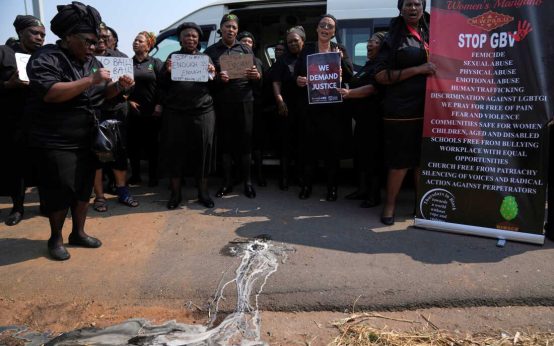 Rising Concern Over Gender-Based Violence in South Africa
  Understanding the Fed’s Interest Rate Hike and Its Impact on Inflation
 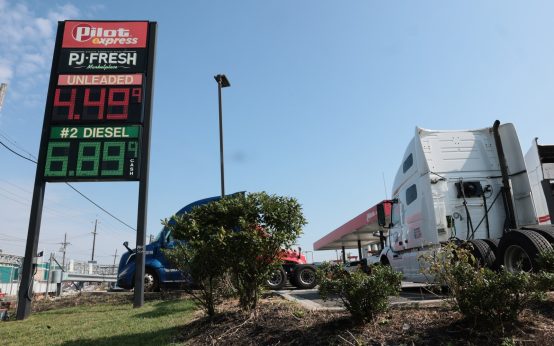 Gas Prices and Political Impact: A Closer Look
 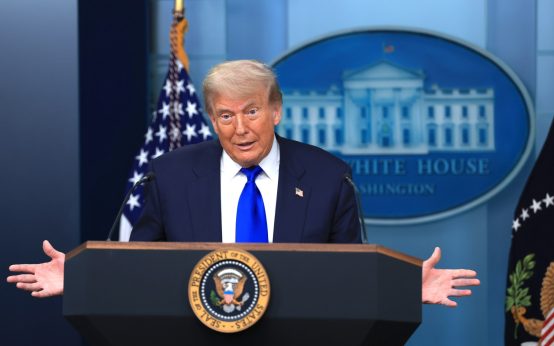 Trump Criticizes Supreme Court Decisions on Tariffs and Citizenship
  Upcoming Events in Chicago This Weekend
  Concerns Arise Over SpaceX Facility in Louisiana