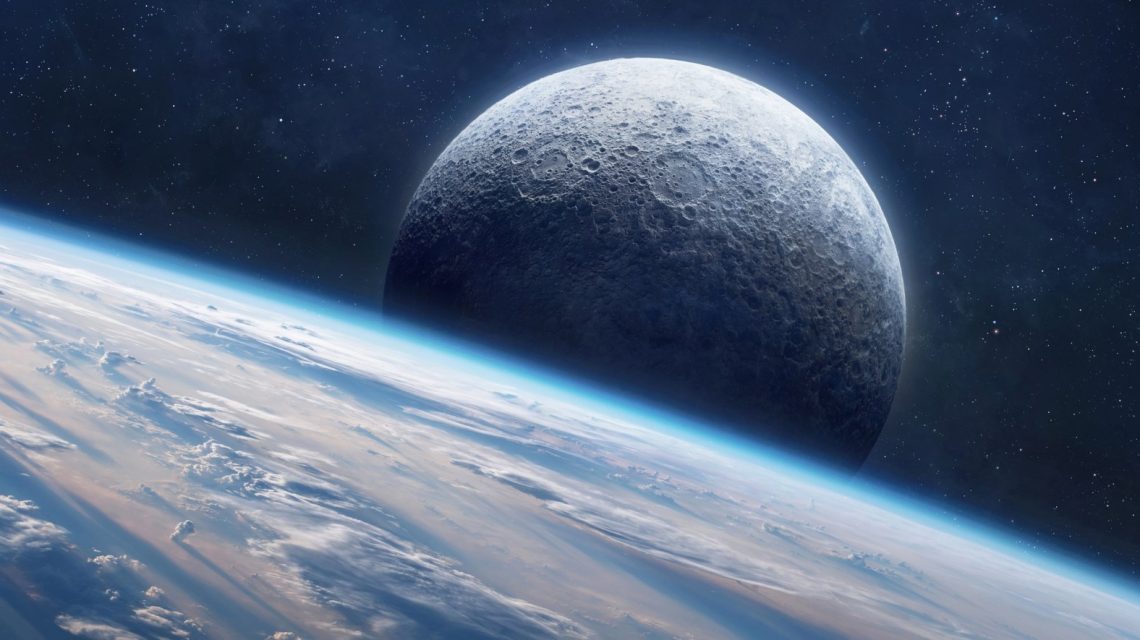
The moon has long symbolized exploration and potential. If NASA achieves its goal of a long-term base near the lunar South Pole, future residents will undergo a unique psychological test. Experts indicate that life on the moon could alter thoughts, emotions, and relationships, offering growth opportunities and risks related to isolation and detachment from Earth.
NASA’s Roadmap for Lunar Presence
This year, NASA accelerated plans for a permanent moon base. In May, the agency released a roadmap for its Moon Base Program, outlining a three-phase strategy to establish a sustained human presence by 2032. The final phase aims to make living and working on the moon a reality.
NASA acknowledges the psychological demands of space travel. The agency notes that isolation and confinement can negatively impact cognitive and behavioral functioning. Although they have managed these risks on the International Space Station (ISS), future missions beyond Earth’s orbit may experience greater challenges due to limited support systems.
A study led by NASA, published in Frontiers in Physiology in November 2024, examined astronauts on six-month ISS missions. While cognitive performance was stable, researchers noticed declines in processing speed, attention, and working memory.
Isolation’s Psychological Impact
Experts warn that the moon’s environment could affect mental health significantly. Dr. Dave Rabin, a psychiatrist and neuroscientist, asserts that a long-term lunar stay would fundamentally challenge the human nervous system. Humans evolved in environments with sunlight, gravity, and social interaction. Prolonged isolation may increase insomnia, anxiety, depression, and cognitive difficulties.
Space is described as psychologically harsh, where extended isolation can lead to hallucinations, sleep disruption, and emotional distress. The moon may inspire awe, but without a sense of belonging, it can feel like ‘existential vertigo.’ Rabin emphasizes the importance of environmental signals that remind people they belong to something greater.
A lunar settlement is likened to a sensory deprivation chamber. Without weather, wildlife, and natural sounds, residents could become inward-focused and dependent on artificial stimulation.
Effects of Reduced Gravity
Researchers are studying how reduced gravity affects emotional well-being. Gravity influences balance, sleep, and spatial orientation. The moon’s gravity, although not zero, is much lighter than Earth’s.
Rabin predicts that changes in sleep quality, movement patterns, and cardiovascular regulation may affect mood and cognition. The human body, evolved on Earth, retains an ‘Earth memory,’ even as the mind explores elsewhere.
Matt Grammer, a professional counselor, supports these concerns. He believes a lunar settlement would remove mood-regulating environmental cues, increasing anxiety, depression, irritability, and decision-making struggles. Unlike temporary ISS crews, moon residents must establish a functioning society. Grammer suggests that without natural changes, residents must create artificial stimuli to avoid emotional flatness.
Developing a New Human Identity
Dr. Sam Zand, a psychiatrist and CEO of Anywhere Clinic, thinks the toughest challenge for moon inhabitants will be maintaining connections. Drawing parallels with polar expeditions, he stresses the need for variety and normalcy. Although bodies adapt to new circumstances, there is no assurance that the psyche will.
Zand suggests recreating Earth’s environment in lunar habitats to help residents connect with a greater entity. Despite risks, humans can adapt, leading to potential shifts in identity.
Rabin speculates that permanent lunar living could result in a unique human identity: biologically human but culturally distant from Earth. While intriguing in the short term, this could also lead to loneliness and spiritual unrest.
As NASA pursues lasting human presence on the moon, the real challenge might not be survival but maintaining a sense of humanity in a foreign world.
 Fire Amoeba Discovery Challenges Limits of Complex Organisms
  Impact of Sleep Types on Disease Risk
  Ice Age Mastodon Tooth Unearthed in California Creek
  The Unique Challenges of the Pumpkin Toadlet
  Animal Self-Medication Insights
  Carlo Rovelli’s Perspective on Physics and Ultimate Reality