
Your iPhone becomes far less appealing to thieves when marked as lost. Apple’s Activation Lock transforms a stolen device into a locked device, reducing its resale value. Unfortunately, criminals have developed ways to bypass this feature.
Deceptive Tactics Used by Thieves
According to research by Infoblox Threat Intel, cybercriminals employ fake Apple pages, smishing texts, and Telegram-based tools to deceive stolen iPhone owners into giving up their passcodes.
Infoblox Threat Intel tracks these activities using DNS (Domain Name System), which functions like the internet’s phone book. By analyzing suspicious website names and traffic patterns, they can identify fake domains, phishing sites, and broader scam networks.
Thieves often prioritize turning a device into cash rather than accessing data. With a passcode, they can disable security features, reset the device, and sell it.
The Scam in Action
Thieves manipulate the situation by using the information on the iPhone’s lock screen. After losing an iPhone, a victim may receive a text linking to a fake Apple site. This site mimics the device’s location on a map and requests the phone’s PIN code. Entering it grants the thief control over the iPhone.
Why do they pursue passcodes? An unlocked iPhone holds more value. Telegram groups sell unlocking services for various phone models. These services might include fake Apple login pages or tools to disable anti-theft measures. The costs for these services range from $5 to $50, making them accessible to many scammers.
Creating Convincing Scams
The deception doesn’t stop with a simple text. Criminals customize phishing pages with details from the phone or associated accounts, such as names, email addresses, and device details. Through these crafted messages, they intend to gain trust and seem authentic.
Once the victim inputs credentials or a passcode, criminals rapidly disassociate the device from the Apple Account, making the iPhone ready for resale. Scammers exploit personal information to make alerts appear urgent and official.
Escalating Trends
Researchers found over 10,000 domains involved in phone unlocking scams. Traffic to these domains increased by 350% in 2025. Some tools seek to bypass security blocks, making fake pages accessible for a longer time.
Protecting Your iPhone
After a theft, remain cautious. Be aware that Apple won’t request your passcode through text or WhatsApp. The main objective for thieves is your passcode; giving it up allows them to render your phone usable and sellable.
How to Stay Safe
- Keep Your Passcode Secure: Never enter it through unsolicited links.
- Use Official Apple Tools: Access the Find My app or iCloud directly, not via external links.
- Be Skeptical of Urgent Messages: Avoid acting impulsively on recovery messages.
- Create a Strong Passcode: Use a complex alphanumeric code.
- Enable Activation Lock: Ensure that Find My is active on your iPhone.
- Don’t Rush to Remove Your Device: Keep it listed in Find My and your Apple Account unless advised otherwise by professionals.
- Install Antivirus Software: Protect your devices from malicious links and phishing attempts.
- Report Theft: Notify local police and your wireless carrier.
Android users also face similar scams, with fake messages attempting to retrieve Google or Samsung account details. Never provide screen lock or account passwords through unsolicited pages. Always use official channels for device recovery.
The Key Takeaway
A stolen iPhone presents a challenge to thieves. However, engaging victims in the unlocking process using fake communications undermines Apple’s protections. The best defense is to remain calm, use Apple’s genuine services, and ignore dubious requests for passcodes.
For more information and resources on tech security, visit CyberGuy.com. Also, explore the Ultimate Scam Survival Guide for comprehensive protection tips.
 Debate Continues Over Virginia’s Data Center Energy Plans
  Trump Suggests Renaming AI to ‘Super Intelligence’
  The Rise of Data Centers and AI Development
  How China Uses AI to Challenge U.S. Dominance
 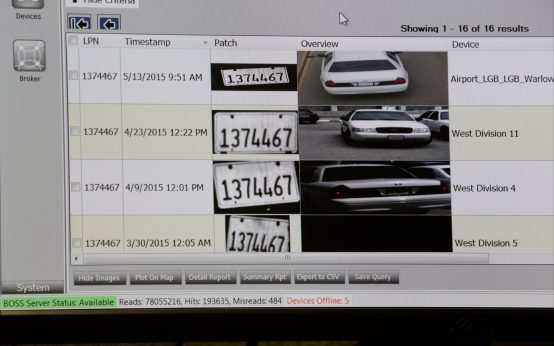 Controversy Surrounding Automated License Plate Readers (ALPRs)
  U.K. Test-Fires U.S. Torpedo from XV Excalibur