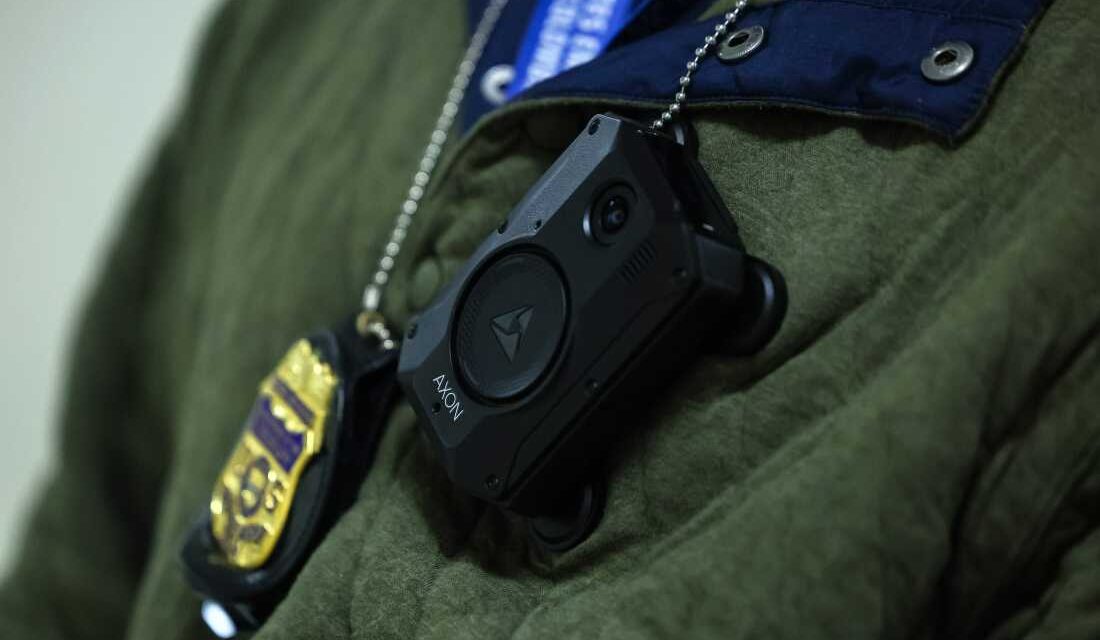
Federal immigration agents recently faced increased scrutiny following fatal shootings involving immigrants in the U.S. Concerns have been raised regarding the absence of body cameras during these incidents. Lawmakers and advocates have urged the Department of Homeland Security (DHS) to prioritize the implementation of body-worn cameras for its agents.
In the past months, federal agents in Texas and Maine fatally shot two immigrant fathers. DHS linked the incidents to acts of aggression or flight risks, yet none of the officers involved wore body cameras. This absence has prompted renewed calls for action, with Senator Susan Collins emphasizing the necessity of a mandate to equip officers with body cameras. She noted that these tools serve to protect both law enforcement personnel and the individuals they encounter.
This incident shows how imperative it is that we have a mandate for body-worn cameras. That not only protects the law enforcement officer, but also those with whom he or she is interacting.– U.S. Sen. Susan Collins.
Lauren Bonds, executive director of the National Police Accountability Project, supported the call for body cameras. She highlighted their role in holding law enforcement accountable, particularly in cases of misconduct or excessive force.
Tom Homan, White House Border Czar, disclosed that hundreds of cameras had been purchased in response to previous shootings but admitted the struggle in outfitting every Immigration and Customs Enforcement (ICE) agent with the necessary equipment. Although Congress allocated $31 billion for technology in recent funding, a specific mandate for the deployment of cameras in ICE was not included.
DHS cited government shutdowns as hurdles to the deployment process. Despite partial implementation in some field offices, full coverage remains unrealized. Some criticism suggests the reluctance to deploy cameras stems from a desire to avoid publicizing agents’ actions.
Ensuring all of our ICE law enforcement officers have body cameras nationwide is a top priority for DHS – especially given the increase in attacks against our law enforcement.– Statement from DHS.
However, Bonds argues that body cameras alone do not prevent misconduct, as some officers manipulate footage. She advocates for minimizing public interactions with ICE agents to address aggressive conduct.
Recent incidents involving Salgado Araujo and Durán Guerrero illustrate the vital role of video evidence. Eyewitness testimonies and surveillance videos have helped fill the gaps left by the absence of official footage, challenging initial DHS narratives.
As DHS works to implement a nationwide camera deployment, ongoing public and political pressure highlights the urgency of compliance and transparency in federal immigration enforcement.
 Allan Lichtman’s Framework for Assessing Presidential Greatness
  Florida Senate Race Tightens as Recent Polls Show Dead Heat
  Ethics Complaint Targets Colorado Representative Lauren Boebert
  Ken Paxton’s Campaign Funding and Polls
  Inside the Secret Deals Powering the President’s Push to Deport Migrants to Countries Not Their Own
  Independence of Research from Political Agendas