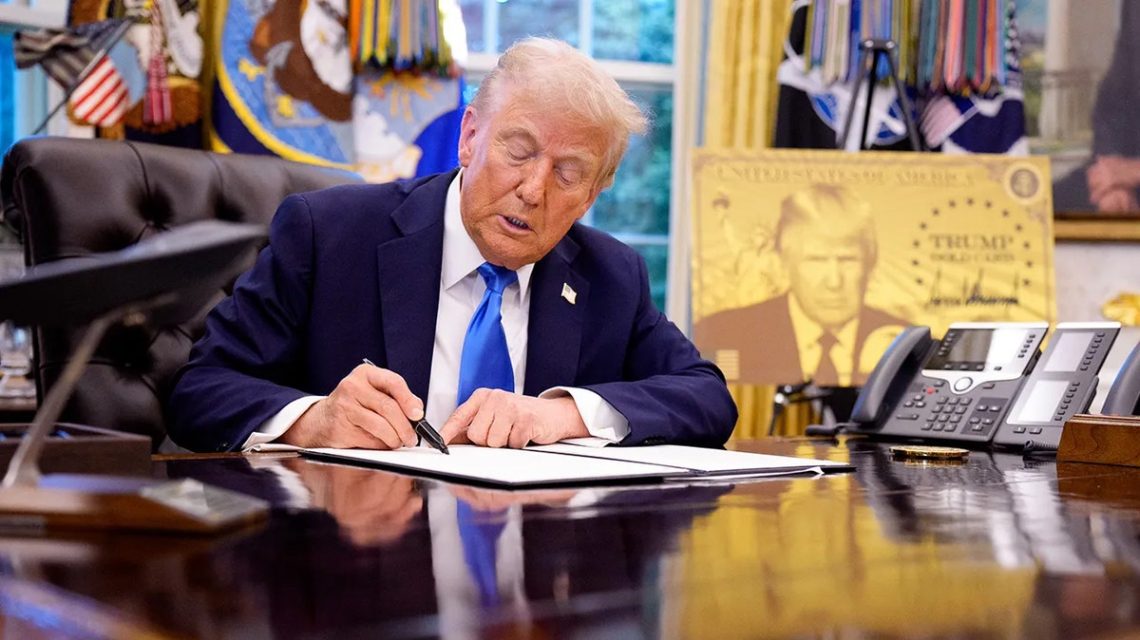
Recently, President Donald Trump expressed a willingness to negotiate with Democrats on immigration. During a “60 Minutes” interview after the midterm elections, Trump suggested a potential deal to allow some undocumented immigrants to attain legal status. This proposal follows a period of significant Republican losses in the elections.
While Trump later clarified that he would not support amnesty, his remarks stirred debate about potential changes to immigration policies. Although he has not provided specific details, his comments opened the door to discussions about the possible outcomes of a deal.
Rule of Law
Steven Camarota, director of research at the Center for Immigration Studies, emphasized that rewarding undocumented immigrants could undermine the rule of law. “It is hard to argue that granting legal status to those who broke immigration laws restores the rule of law,” he explained. He also questioned the fairness towards immigrants who adhered to legal channels.
However, Laura Collins from the George W. Bush Presidential Center argued current immigration laws are flawed. She noted, “The existing system often restricts labor flow despite strong economic demand for workers.” Collins suggested the country faces a choice: offer undocumented immigrants a path to contribute legally or adhere strictly to deportation.
Assimilation
Camarota expressed concerns that increased immigration could overwhelm assimilation processes. Limiting the number of immigrants ensures opportunities for learning English and integrating into society. He argued that amnesty could lead to disregarding these limits.
Conversely, Collins pointed to data indicating modern immigrants assimilate at rates similar to past generations. She believes legal work opportunities enhance their integration, suggesting, “America excels in turning newcomers into citizens.”
Fiscal Policy
According to Camarota, households led by undocumented immigrants receive approximately $50 billion annually in government benefits via programs accessible to their U.S.-born children, such as Medicaid and Temporary Assistance for Needy Families. He argued, “Undocumented immigrants are often not educated beyond the 11th grade, affecting their tax contributions compared to their benefits consumption.”
In contrast, Collins referenced a 2013 Congressional Budget Office analysis suggesting potential revenue gains from legalizing undocumented immigrants. “Legal work status could enable immigrants to negotiate better jobs and wages,” she shared.
The Political Landscape
Mark Krikorian, also of the Center for Immigration Studies, doubted an amnesty would occur. He noted Democrats might not compromise on immigration restrictions, thus offering Republicans little incentive to negotiate. Using DACA as an example, he remarked, “DACA recipients essentially have amnesty through work permits and Social Security numbers already.” Granting them green cards might not yield further concessions.
Trump has hinted at allowing certain undocumented workers in industries like hospitality and landscaping to remain in the U.S. Yet, he faces criticism from some Republicans who demand deportations regardless of work status.
White House spokesperson Lauren Bis maintained Trump’s commitment to a “strong immigration policy,” which she characterized as having resulted in a historically secure border. She urged Democrats to support measures that prioritize border security and the removal of criminal elements.
 Controversy Surrounds Governor Newsom’s Death Sentence Commutation Plan
 Jewish Activist Criticizes Event Cancellation at CUNY School
 Debate on School Choice in Texas Elections
 Amy Klobuchar Takes On Governorship with Promises for Minnesota’s Growth
 Challenges of Signature Requirements for Political Candidates in Illinois
 Debate Rekindled Over Gray Wolves and Livestock Losses