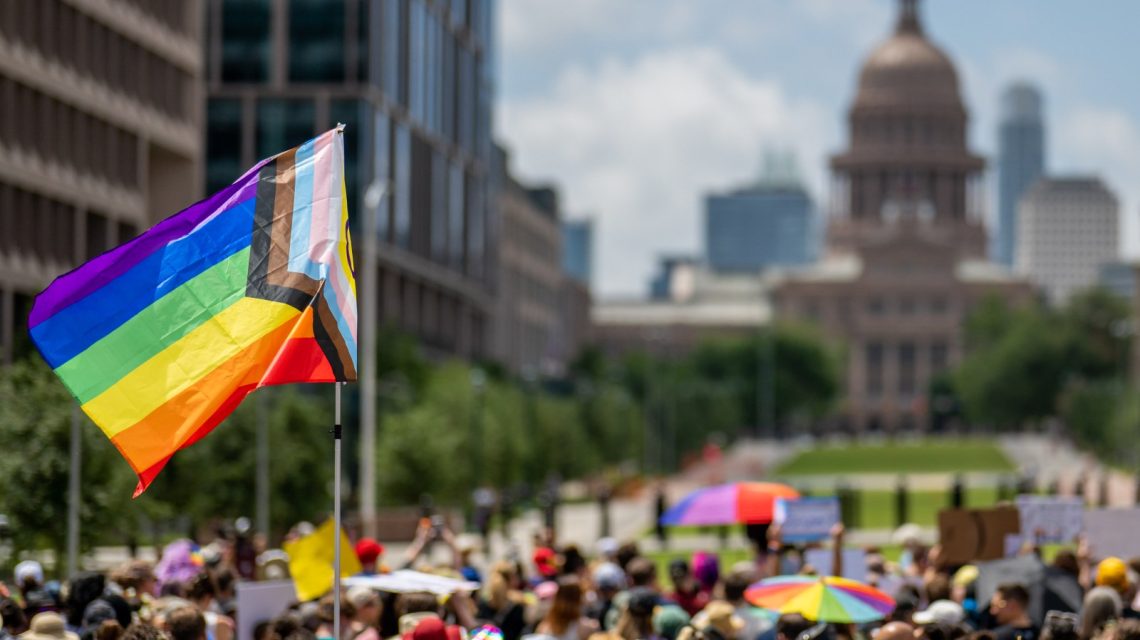
A federal judge has invalidated Texas’ law attempting to restrict certain drag performances for a second time. This represents another setback for Republican-led efforts to regulate drag shows and LGBTQ expression. U.S. District Judge David Hittner ruled that Texas Senate Bill 12 is unconstitutional. This decision reaffirms a stance he initially took in 2023, and he emphasized, “For those who find such activities offensive, the solution is relatively simple … just don’t go.”
Texas Attorney General Ken Paxton plans to appeal the ruling. Despite inquiries, his office has not yet commented publicly. This case occurs amid a broader national debate on drag performances, transgender rights, and LGBTQ visibility. Several Republican-majority states have passed laws to limit drag shows. Conversely, Democratic-led states and civil rights activists have worked to protect such performances as constitutionally protected expression.
“Efforts to restrict drag are part of a coordinated campaign attacking LGBTQ people across various aspects of life,” said Logan Casey, director of political research at the Movement Advancement Project (MAP).
This Texas ruling aligns with similar determinations in Montana, Florida, and Tennessee, where courts have deemed these restrictions unconstitutional limits on free speech.
States Moving to Restrict Drag Performances
Texas is not isolated in its approach. The Movement Advancement Project notes that six states have laws either explicitly restricting drag performances or potentially targeting them through broader regulations concerning adult performances. Tennessee and Montana are among those with explicit restrictions on drag performances. Other states, including Arkansas, Florida, North Dakota, and Texas, have enacted laws about adult-oriented performances that can impact drag events. Legal battles around these laws are ongoing.
Proponents of these laws argue they aim to shield children from sexually explicit material in public. Critics counter that the measures target LGBTQ communities and curb artistic expression protected by the First Amendment. The Texas ruling echoed concerns from other courts about the laws’ broad scope, potentially affecting a wide range of protected speech and performances.
Casey observed that unlike other anti-LGBTQ policies, drag restriction laws haven’t spread nationwide. Initial laws in Texas, Montana, Florida, and Tennessee faced rapid legal challenges and were blocked promptly after enactment. While some Republican states pursued restrictions, Democratic states have moved to enhance protections for LGBTQ residents, framing drag performances as an issue of free expression.
Shifting Public Support for LGBTQ Rights
The legal battles occur amid changing public opinion. Gallup polls show that 65 percent of Americans support legal same-sex marriage, a decrease from a high of 71 percent in recent years. While 62 percent now consider gay and lesbian relationships morally acceptable, this is the lowest recorded since 2016.
Attitudes concerning transgender issues have also shifted negatively. Only 38 percent view gender change as morally acceptable, down from 46 percent in 2021. Much of this decline is seen among Republicans, while Democratic views remain relatively stable. Gallup notes a significant drop in Republican support for same-sex marriage, with Democratic support remaining strong.
Growing LGBTQ Population
Despite these shifts, the LGBTQ population is increasing. Research from PRRI indicates that nearly 10 percent of Americans identify as LGBTQ, doubling the figure from a decade ago. Among those aged 18 to 29, approximately 20 percent identify as LGBTQ, illustrating how younger demographics are reshaping the country’s landscape.
This trend creates a political paradox. While the LGBTQ population reaches record levels and same-sex marriage retains broad acceptance, conservative activism around transgender issues and drag performances intensifies debates. Overall support for LGBTQ rights is strong, but visibility and public discussion growth coincides with backlash among some voters.
For Republicans, drag performances have become part of discussions about parental rights and children’s exposure to sexual content. For Democrats and LGBTQ rights advocates, these performances test free speech protections and equal legal treatment.
Courts as the New Battleground
With ongoing legislative introductions, courts increasingly decide these policies’ fates. Challenges to drag-related restrictions focus on the First Amendment. Opponents argue drag is artistic expression akin to theater, music, and dance. Hittner’s Texas ruling reinforces this view, and similar legal challenges are occurring in other states.
This results in a diverse national scenario. Some states enforce restrictions, others have seen laws blocked by judges, and many have never instituted such measures. As appeals continue, the Texas case may become a key test of state governments’ ability to regulate drag performances without infringing on constitutional protections.
 A Mother’s Tragic Journey Under Abortion Ban
  U.S. Strategic Goals Remain Unmet Amid Prolonged Conflict
  The Impact of Arts and Closure on Democracy
  U.S. Ambassador Comments on Iran War Duration Amid Political Concerns
  US-China Relations Under Scrutiny: Expert Warns of Escalating Tensions
  No Timeline for End of Iran Conflict