Delays in Senate
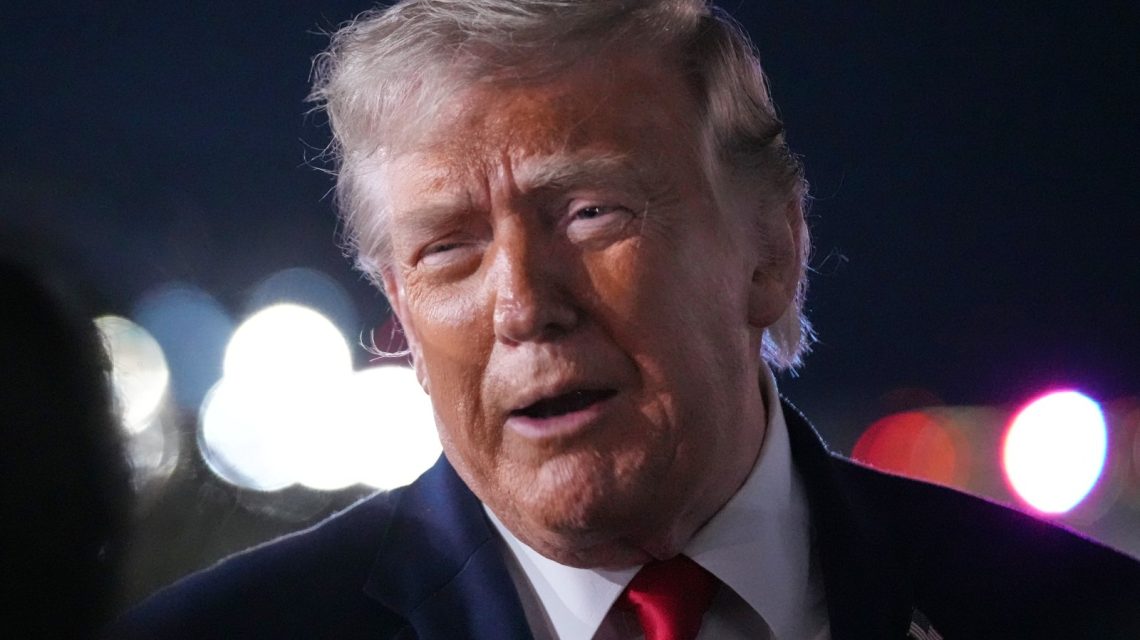
President Donald Trump’s initiative to pass the SAVE America Act before the 2026 midterms has encountered significant hurdles in the Senate. Senate Majority Leader John Thune admitted that the Republican party does not have the needed votes. The bill, critical to Trump’s agenda, focuses on requiring U.S. citizenship proof for voter registration in federal elections and mandates photo ID for voting.
Trump remains adamant about pushing the act, declaring he will not sign other bills until its passage. He warned of halting government operations if the act gets gets diluted. The stumbling block underscores the need for Republicans to gain more Senate seats to facilitate its passage.
Expert Opinions
Some experts predicted the act wouldn’t pass. Nicholas Stephanopoulos from Harvard described this development as expected, given the lack of sufficient support to overcome a Senate filibuster.
“The midterm elections will proceed without unprecedented federal intervention in voting and registration,” Stephanopoulos stated.
Efforts to contact Thune’s office and the White House on the issue remain unanswered.
Details of the SAVE Act
The SAVE America Act, designed to enforce voter ID laws nationally, aims to reduce noncitizen voting. It suggests verification through citizenship documents for registration and requires photo ID. It also plans to eliminate mail-in ballots except for specific circumstances.
Supporters argue it ensures election integrity. However, critics warn it could hinder eligible voters who lack access to citizenship documents from voting. Research supports that noncitizen voting is rare, according to the Center for Election Innovation and Research.
Senate Stalemate
The act, having cleared the House, faces Democratic opposition in the Senate. Senate legislation generally requires 60 votes to bypass filibusters. According to Michael Morley from the Florida State University Election Law Center, filibusters are common tools used to block amendments to electoral laws.
Morley notes that changes in federal voting laws appear unlikely soon, leaving states with the primary role in maintaining election integrity. Thune acknowledged the votes fall short to pass the act or end the filibuster.
Political Ramifications
The deadlock highlights the challenges faced despite Trump’s backing. Brittany Martinez, a strategist, explained that political and procedural hurdles persist even with Trump’s support.
Martinez believes both parties will continue to leverage the issue. Republicans may focus on election security, while Democrats might emphasize potential voter suppression.
Though Trump’s goal is to pass the act, Morley suggests its eventual effect on election outcomes would likely be limited, contributing more to voter confidence than altering results.
Trump’s Strategy and Support
Trump has made clear the act’s priority status. He pledged not to sign other legislation unless it passes, emphasizing that it guarantees a midterm win. He recently linked Republican Senator Lindsey Graham’s re-election to advancing the act.
MAGA supporters’ frustration grows as Republicans fail to progress. Senator Mike Lee remains hopeful, suggesting persistent debate would lead to passage. Conservative commentator Eric Daugherty criticized the GOP for inaction.
Looking Forward
As Senate leaders point to midterms as the solution, Thune’s remarks signal a broader recognition of needing more Republican members or altered Senate composition for passage. Trump’s pivotal election proposal remains uncertain, maintaining its importance within the party’s strategy.
 Political Strategists Karl Rove and David Axelrod Discuss Voting and Predictions
  The Trump Team Targets Military Leadership
  Trump’s Crypto Ventures Stir Controversy
  Maryland Bans Dynamic Pricing in Grocery Stores
  Democrats Eager to Flip Senate Amid Polling Challenges
  Challenges Faced by Republicans in the Upcoming Midterms