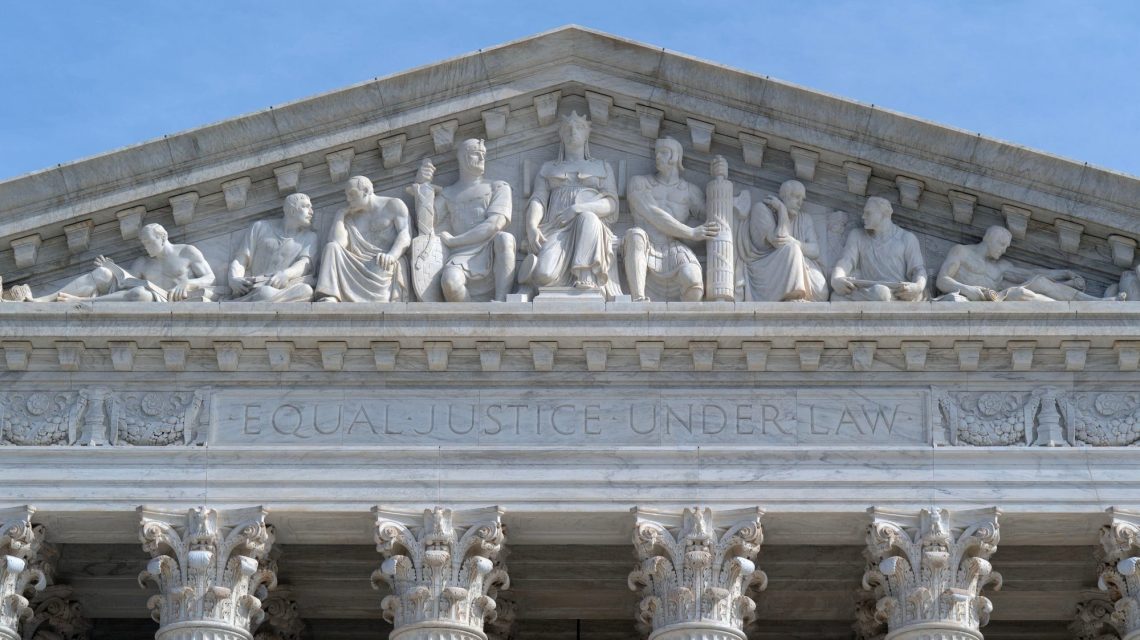
The U.S. Supreme Court’s recent term ended with significant political implications. Law Professor William Baude notes that despite former President Trump’s actions being deemed ‘outrageous,’ the court demonstrated it’s not a mere rubber stamp. The court, composed mostly of Trump appointees, ruled against him on key issues like birthright citizenship, tariffs, and mail voting.
Legal expert Elie Honig suggests that some decisions, resolved by 6-3 or 7-2, stemmed more from judicial methodology rather than political biases. However, the liberal viewpoint, shared by Professor Stephen Vladeck, describes these court moves as akin to an arsonist arriving with a fire extinguisher, indicating a bleak term.
The term witnessed 20 split decisions, mostly aligning Democratic appointees on one side. Notably, some major rulings didn’t follow strict party lines, yet a significant number did in contrast to previous terms.
Chief Justice Roberts played a crucial role in forming a coalition to block Trump’s most excessive power uses. This included attempts to alter citizenship laws, misuse tariff statutes, and undermine Federal Reserve governance. Despite blockages, these cases often concluded with narrow margins, highlighting stark divisions within the court.
One pivotal case reaffirmed the birthright citizenship principle in Trump v. Barbara, citing the 14th Amendment. Roberts expressed the decision strongly against Trump’s proposals, despite narrow 5-4 and 6-3 outcomes in other rulings linked to presidential powers.
The decision in the Slaughter case overturned long-standing precedents, providing the president increased control over independent agencies. This change poses concerns for potential overreach in executive branch operations.
In voting rights, the ruling in Louisiana v. Callais undermined Section 2 of the Voting Rights Act, affecting minority voting strength. This decision paralleled the shadow docket order seen in Allen v. Milligan, supporting disputed district maps in Alabama.
Overall, the court often sided with Republican interests and Trump, only checking his power when no alternatives existed. Justice Sonia Sotomayor articulated in her dissent that Trump’s authority now rivals historical monarchal power, against which U.S. founders once rebelled.
James D. Zirin, a former federal prosecutor and legal analyst, provides this analysis. Copyright 2026 Nexstar Media Inc. All rights reserved.
 A Mother’s Tragic Journey Under Abortion Ban
  U.S. Strategic Goals Remain Unmet Amid Prolonged Conflict
  The Impact of Arts and Closure on Democracy
 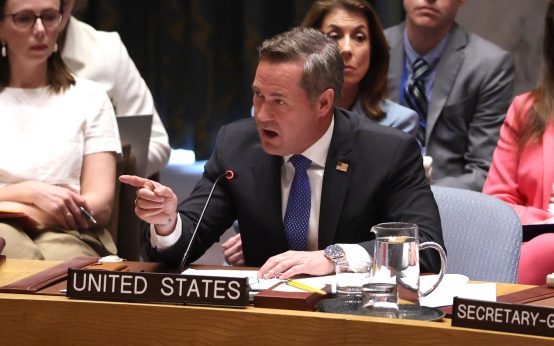 U.S. Ambassador Comments on Iran War Duration Amid Political Concerns
 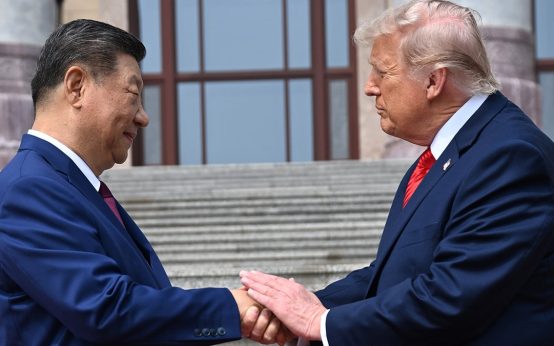 US-China Relations Under Scrutiny: Expert Warns of Escalating Tensions
  No Timeline for End of Iran Conflict