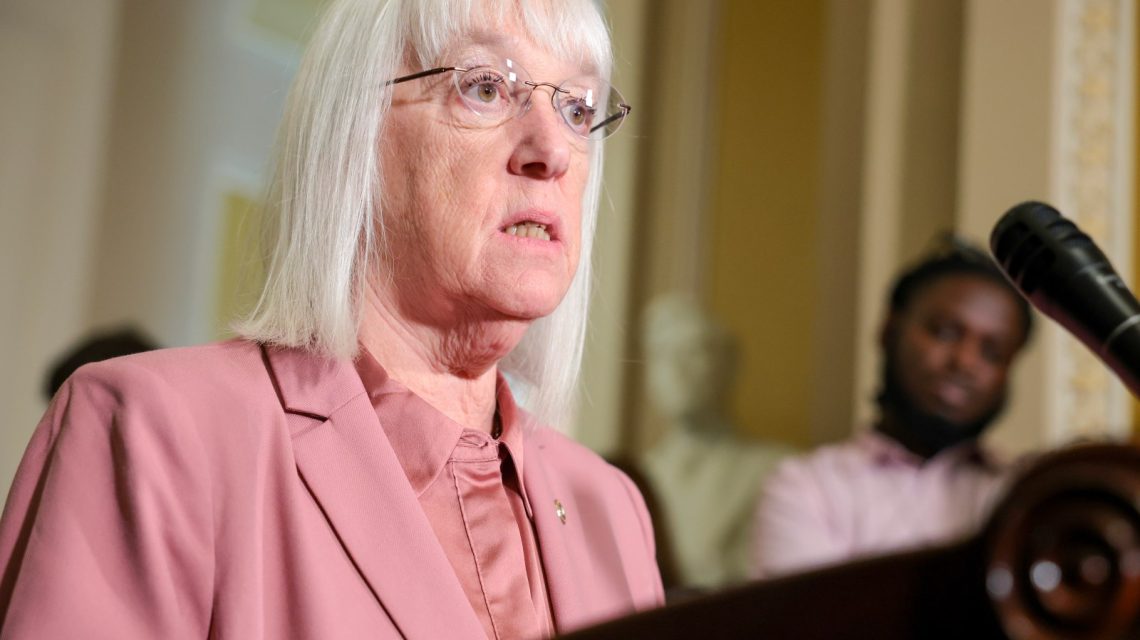
Senator Murray’s Warning on Social Security
Senator Patty Murray is alerting voters to the potential consequences for Social Security based on the outcomes of the midterm elections. She stresses that the party controlling Congress may significantly impact the program’s future.
Murray, representing Washington, highlighted the risk of substantial cuts to benefits if action is not taken to safeguard the program. Her statement on social media emphasizes the contrasting approaches between Republicans and Democrats regarding Social Security.
Murray stated, “Republicans want to cut your benefits. Democrats want billionaires to pay their fair share.” She labeled the upcoming election as the “Social Security election.”
Financial Challenges and Projections
The financial challenges facing Social Security demand urgent attention, regardless of the political party in control. According to the 2026 Social Security Trustees Report, the reserves for the Old-Age and Survivors Insurance (OASI) Trust Fund will sustain full benefit payments only until 2032.
Without legislative intervention by then, projections indicate that incoming revenue will cover just 78 percent of scheduled OASI benefits, resulting in an automatic 22 percent reduction for beneficiaries.
Democratic Perspective
Murray’s comments highlight a push by Democrats to prioritize Social Security in the election discourse. Her arguments underline the importance of addressing the program’s financial gap by increasing revenue, particularly from wealthy individuals, instead of resorting to benefit reductions.
During a Senate Budget Committee hearing in March, Murray advocated for higher contributions from the nation’s wealthiest individuals, condemning significant benefit reductions for workers and retirees.
“When the richest people have the smallest effective tax rate, it does not seem like a fair system. Especially as we are nearing a 24 percent cut in Social Security benefits for retirees,” she remarked.
The Broader Debate
The debate surrounding Social Security’s future involves multiple options to close the financing gap. These include adjustments to payroll tax rates and modifications to the amount of wages subject to Social Security taxes, alongside potential benefit reductions or combined revenue-increasing measures.
Kevin Thompson, CEO of 9i Capital Group, noted the complexity of the issue. He referenced remarks by former President Trump highlighting the prioritization of military funding over programs like daycare, Medicare, and Social Security.
Partisan Differences
While Republicans publicly express a desire to protect Social Security, Democrats underscore GOP leaders’ comments on reforming mandatory spending programs, including Social Security. Experts warn that unless bipartisan solutions emerge, the anticipated 22 percent reduction in benefits could proceed.
Alex Beene, a financial literacy instructor, indicated each year without reform increases the urgency to action, emphasizing the importance of preventing future cuts.
Projections and Implications
Under trustees’ projections, the depletion of the OASI trust fund by 2032 means incoming revenue would cover only around 78 percent of benefits. A projected 22 percent cut in benefits would significantly impact retirees relying on Social Security.
Thompson points out differing perspectives between parties, with Republicans focusing on minimizing waste and Democrats advocating structural reform through increased funding and taxation.
Despite potential depletion, Social Security would continue to receive payroll taxes, although not sufficient to cover full benefits mandated by law, posing financial concerns for retirees.
Future Prospects
Regardless of election outcomes, Congress faces growing pressure to address Social Security’s financing gap before the trust fund’s exhaustion in 2032.
Beene cautions against expecting actual depletion, as Social Security beneficiaries include a substantial voter base that lawmakers would be reluctant to disappoint.
For further information on this topic, contact Newsweek editors Jason Lemon and Dave Siminoff.
 Mississippi State Auditor Shad White Announces Gubernatorial Bid
 Trump Dismisses Third Impeachment Prospects
 Custody Dispute Involving Rep. Max Miller Delayed
 Attorney General Addresses Post-Midterm Democratic Threats
 Senator Elizabeth Warren and the Future of Crypto Regulation
 Bipartisan Opportunities in Foreign Policy