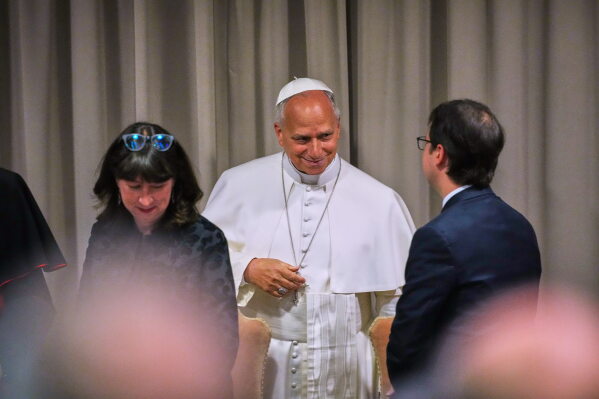
Pope Leo XIV has made a strong call for comprehensive regulation of artificial intelligence (AI) and urged developers to work for the common good rather than profit. His manifesto, “Magnifica Humanitas,” addresses the broad impact of AI on society, from employment to warfare. As the world’s first U.S.-born pope, Leo sees AI as the primary challenge humanity faces today.
The pope criticized the “culture of power” fueling AI advancements, especially in developing remote warfare methods. Highlighting the ethical implications, he stated that giving AI the power to make irreversible decisions is unacceptable. This stance sets Leo in opposition to the Trump administration, which has advocated for deregulation in AI development.
Leo’s encyclical is considered a key document by experts in technology, academia, and Catholic ethics. It is set to become a crucial reference point for policymakers and researchers as AI continues to evolve. The document addresses concerns over AI potentially replacing human intelligence and jobs. Taylor Black, a Microsoft AI executive and director at Catholic University of America’s AI institute, emphasized the document’s role in questioning the essence of humanity.
During its presentation at the Vatican, the pope emphasized disarming AI from being used as a tool of domination and harm. The event also featured remarks from Anthropic’s co-founder, who is involved in a legal dispute with the Trump administration over AI technology access. This collaboration is part of the Vatican’s efforts to engage tech firms in discussions about AI and its impact on humanity. However, the pope continues to voice concerns over AI’s concentration of power and data, especially affecting vulnerable groups.
Leo urged AI developers and political leaders to reflect on their responsibilities, advocating for an ethical approach that prioritizes humanity over profit. He called for robust legal frameworks and independent oversight to ensure AI morality is not determined by a select few. Anthropic co-founder Christopher Olah welcomed Leo’s insights, describing them as vital external checks on AI development. Olah highlighted the need for diverse voices, including religious communities and governments, to guide AI development responsibly.
Pope Leo XIV applied core Catholic social teachings—justice, solidarity, and resource distribution—to the digital revolution. The encyclical emphasizes the need for technology to serve humanity, not degrade it. In poignant sections, Leo addressed AI’s role in normalizing warfare, calling for transparency and accountability in AI weaponry use. He critiqued the outdated nature of the Church’s “just war” theory in the context of modern warfare technologies.
The encyclical aligns with the tradition of adapting Catholic social thought to contemporary issues, drawing parallels with the Industrial Revolution. Leo stressed that economic pursuits should not compromise human dignity or job security. He also issued a historical apology for the Church’s past role in legitimizing slavery, reinforcing his commitment to justice and human dignity.
Despite the presence of Anthropic at the encyclical’s presentation, Vatican officials have not disclosed their contributors to the document. The collaboration has faced criticism as potentially endorsing Anthropic. However, experts like Brian Boyd from the Future of Life Institute interpret this as acknowledgment of Anthropic’s significant influence in AI, rather than an endorsement.
 Suspects in Haitian President’s Assassination Extradited to U.S.
 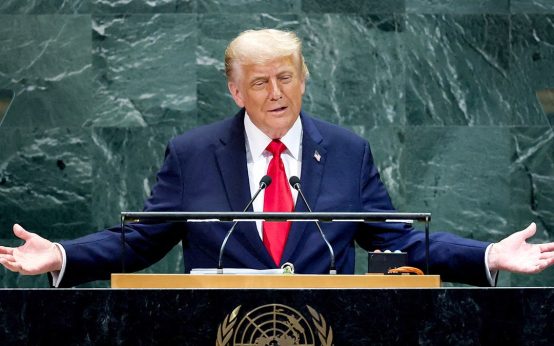 UN General Assembly: Global Leaders Seek Influence Amid International Conflicts
  US Embassies Warn Americans After Houthi Missile Attack
 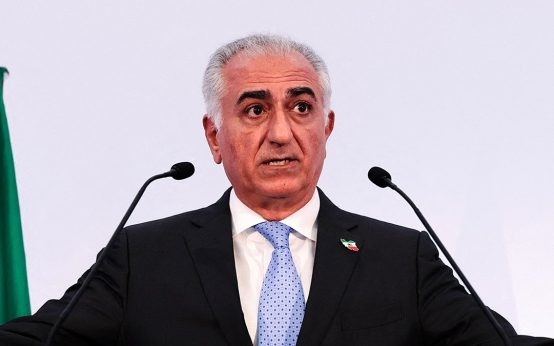 Understanding Iran’s Political Landscape Amid Ongoing Conflict
  China’s Surveillance Expansion in Djibouti Sparks Concerns
  Pentagon Investigation Reveals U.S. Responsibility in Deadly Iranian School Strike