The move to make daylight saving time permanent took a significant step forward this week. The House of Representatives passed the Sunshine Protection Act, aimed at ending the annual clock-changing practice, with a majority vote of 308-117. The bill will now go to the Senate, where its future is uncertain.
President Donald Trump has been an advocate for this change, criticizing the current system of adjusting clocks twice yearly as unnecessary. If the bill is enacted, Americans would benefit from an additional hour of evening sunlight during the winter. However, this shift would also delay winter sunrises by an hour.
Concerns Among Orthodox Jews
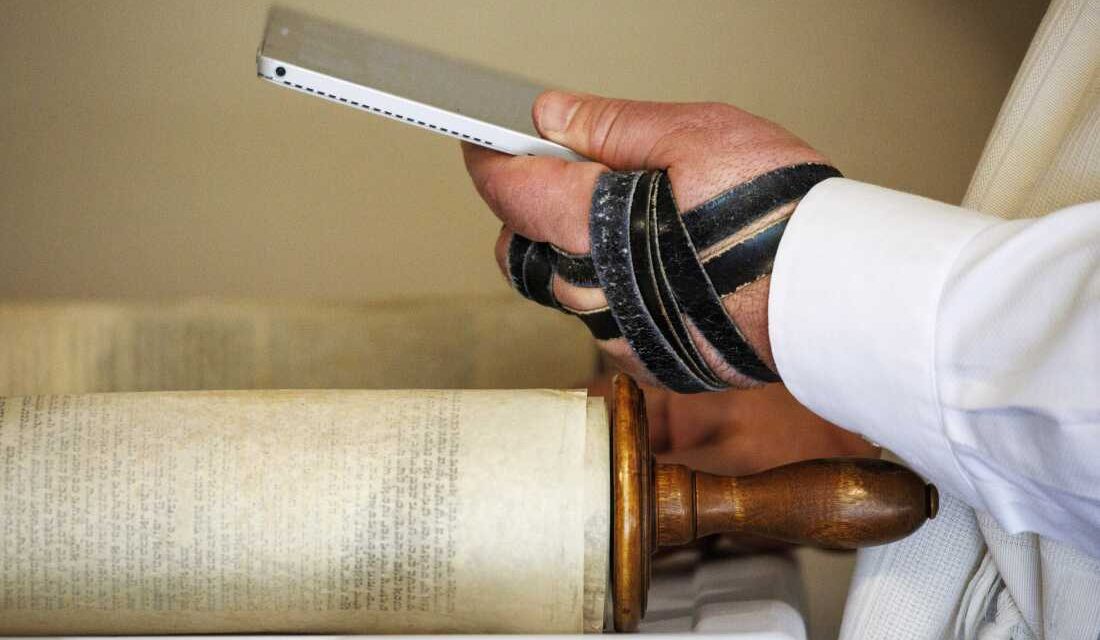
Making daylight saving time permanent has raised concerns among Orthodox Jewish groups. Their religious practices require morning prayer services, known as Shacharit, to occur after sunrise. Traditionally, these prayers cannot start while it is still dark.
“The bottom line is, if prayers have to start an hour later, that will have a direct effect on people getting to work and on when schools can start,” said Rabbi A.D. Motzen, national director of government affairs for Agudath Israel of America.
A number of Orthodox Jewish organizations, including the Orthodox Union and the Coalition for Jewish Values, stand against the bill. Jewish law requires that some prayers are performed communally in a quorum of 10 Jewish adults, a minyan. This necessitates that individuals visit the synagogue each morning before heading to work or school for prayers such as the Shema.
The morning service lasts about 35 minutes but can extend to an hour on certain occasions. According to Motzen, synagogues may face challenges if they fail to form a quorum because their congregants have job obligations.
Public and Health Concerns
Orthodox Jews are not the only group opposing permanent daylight saving time. Health professionals argue that standard time is more aligned with the human body’s natural clock. School boards and parents also express concerns about children walking to school in the dark during winter mornings, which they see as a safety issue.
Making daylight saving time permanent would result in sunrise occurring after 8 a.m. in most parts of the U.S., and in some regions like South Bend, Indiana, as late as 9:13 a.m. for up to 55 days a year.
Presently, Hawaii, most of Arizona, Puerto Rico, Guam, American Samoa, the U.S. Virgin Islands, and the Northern Mariana Islands, remain on standard time throughout the year.
 A Critical Perspective on National Spending and Healthcare from Representative Eric Burlison
  House Republican Criticizes Funding for Trump’s Arch Proposal
  House Bill Proposes Dual Benefits for Combat-Injured Veterans
  Democrats Navigate Transgender Athlete Debate Amid Midterm Elections
  Senator Collins Warns Against Politicization of NIH Grant Funding
  Missouri Congressional Map Controversy