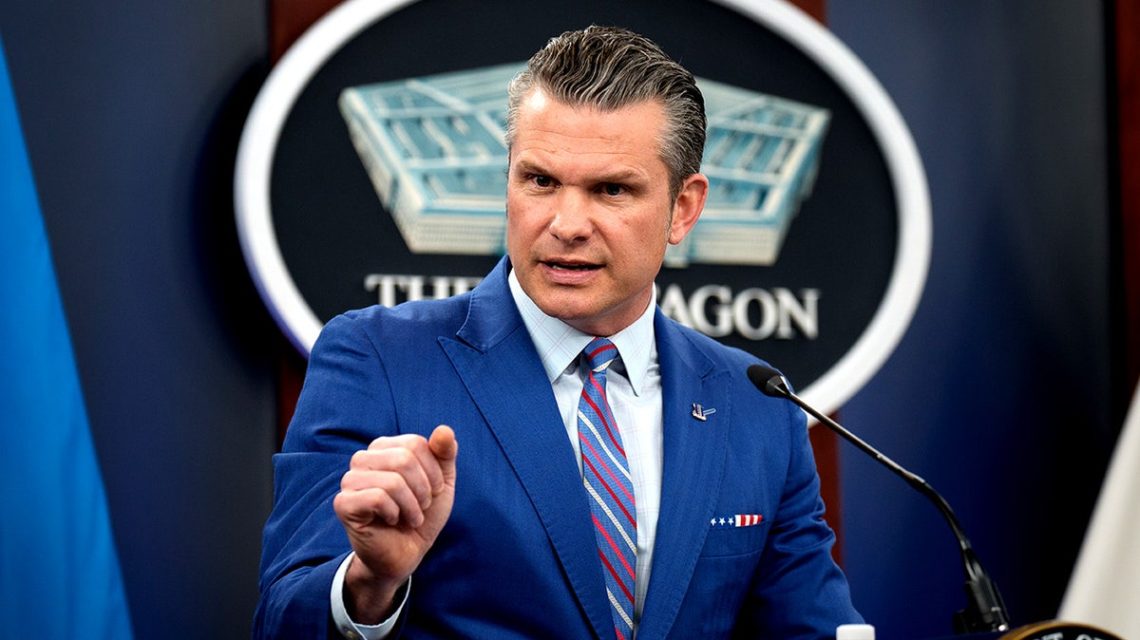
In the aftermath of the 2016 presidential election and the related Russiagate scandal, the scrutiny on foreign interference in U.S. elections has intensified. With the 2026 midterms approaching, Secretary of War Pete Hegseth has taken a decisive step. He is directing the full force of intelligence and spy resources to prevent foreign adversaries from meddling in the voting process.
Pentagon’s chief, Hegseth, has instructed military intelligence and cyber agencies to prioritize election security. This mission is deemed ‘no-fail.’ His directive extends beyond U.S. Cyber Command and the National Security Agency (NSA). It includes all elements of the Defense Intelligence Enterprise, which are ordered to use every possible resource and partnership to counter foreign election threats.
We have operational roles well before the midterms and even on the day itself, focusing on foreign adversaries and acting externally to the United States.
This initiative announced during a news conference at the Pentagon in June 2025, marks a significant expansion in military operations against threats that increased following Russia’s 2016 election interference. Although the extent of changes to election-security operations remains undisclosed, Hegseth’s order has a broader scope than previous efforts.
The Pentagon did not share implementation details of the order with media. Cyber Command equally declined to discuss its election-security activities. The current directive tasks military intelligence with identifying foreign hackers and warning civilian agencies about upcoming threats. Cyber Command, when authorized, may act against foreign actors.
Domestically, state and local officials oversee elections. Agencies like the FBI and Department of Homeland Security manage internal security. However, the Pentagon’s focus remains on external threats. Military efforts began shaping up before the 2018 midterms with the formation of a ‘Russia Small Group.’ This group later evolved into an Election Security Group, combining NSA’s intelligence with Cyber Command’s operational capabilities.
General Paul Nakasone, the former Cyber Command and NSA chief, once labeled election security as an ‘enduring, no-fail mission,’ a sentiment echoed by Hegseth. Despite uncertainties about the current operational structure, the military’s aim mirrors that of past elections.
Current Cyber Command and NSA head, General Joshua Rudd, testified before lawmakers that foreign interference is expected, based on historical patterns. He affirmed readiness to support as needed. However, the reconstitution of an Election Security Group remained uncertain as of April.
In September, Hegseth issued a comprehensive directive to key Department officials, urging intelligence collection and analysis on foreign election threats. Cyber Command was also told to counter foreign cyber activities in coordination with other domestic agencies. The directive does not create new authorities but reinforces the military’s continued responsibility in election security.
U.S. intelligence officials have not found evidence of foreign threats to voting machines or infrastructure for the upcoming midterms. Nonetheless, they urge vigilance against foreign disinformation, especially as technology evolves to facilitate such efforts.
Monitoring of foreign influence campaigns from Russia, China, and Iran continues. Lawmakers have been briefed on Russia’s disinformation activities and China’s focused attempts against certain U.S. candidates.
Overall, foreign actors view U.S. elections as opportunities to influence policy, undermine confidence, and cause divisions. Hegseth’s focus on overseas threats is crucial, while state, local officials, and federal agencies manage domestic security efforts.
 Auditing ICE’s Body-Camera Program Compliance
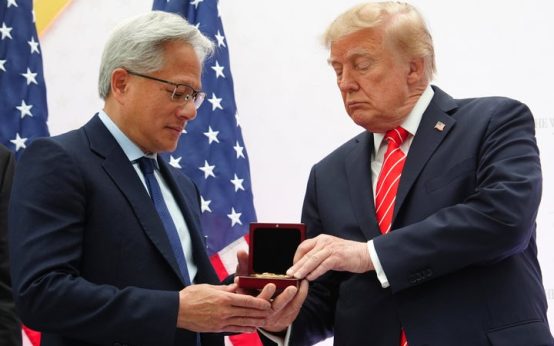 Trump’s Handling of Nvidia CEO’s Ties Raises National Security Concerns
 Senator John Cornyn Approaches Senate Retirement as Transition Begins
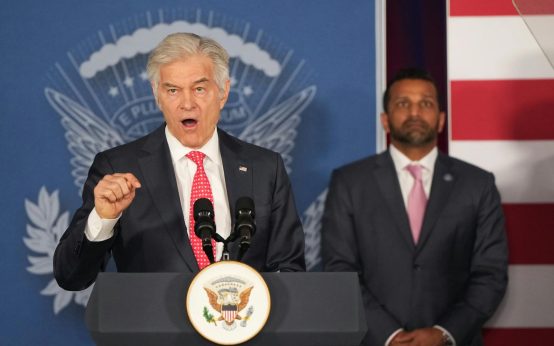 Federal Government Freezes Minnesota’s Medicaid Funds Amid Fraud Probe
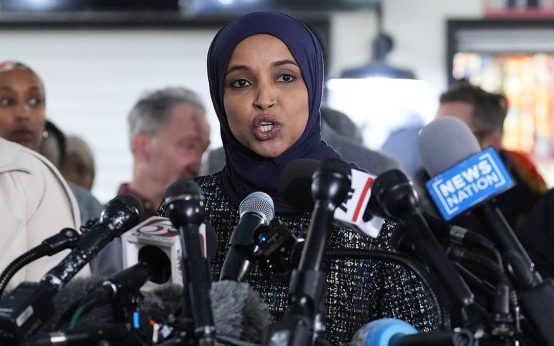 Rep. Ilhan Omar Returns to Capitol Hill Amid Ongoing Investigations
 The Challenges Facing the Democratic Socialists of America