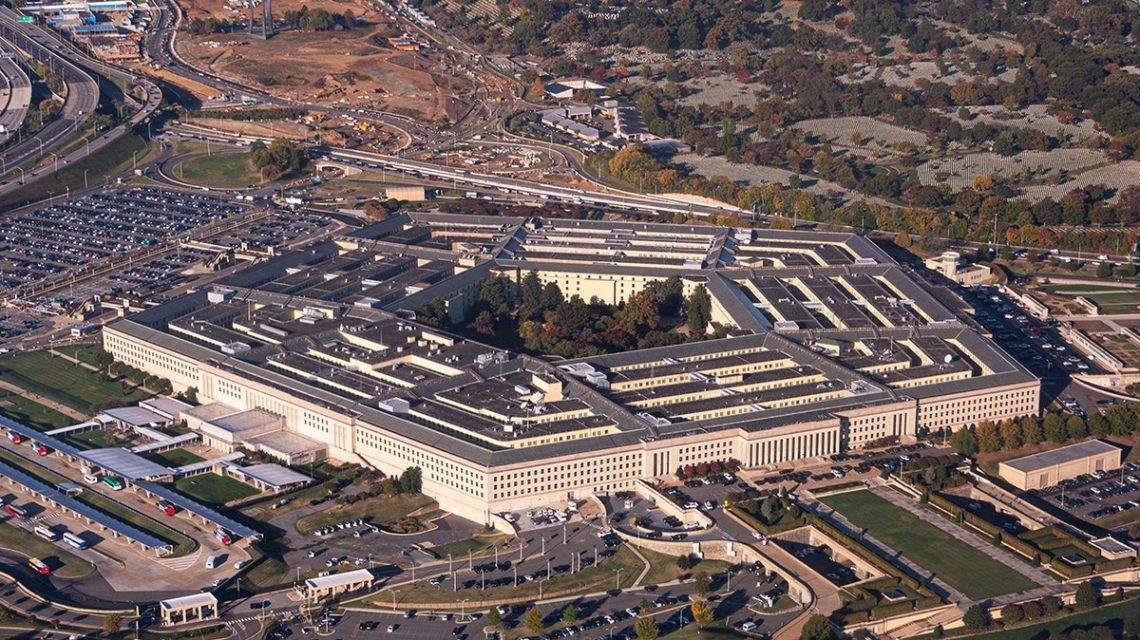
Allegations have emerged that the Pentagon maintained a ‘blacklist’ of journalists and news outlets during the Trump administration. The nonprofit Freedom of the Press Foundation (FPF) and The Intercept filed a lawsuit in the U.S. District Court in Washington, D.C. The lawsuit is based on an incident involving The Intercept reporter Nick Turse and the U.S. Central Command (CENTCOM) public affairs office concerning Iran’s attacks on U.S. bases in the Middle East.
Turse faced difficulties contacting CENTCOM, and when he finally reached Richard Allee, CENTCOM’s public affairs executive assistant, he was warned that he would be ‘put on a list of people to disregard’ if he continued his inquiries. Turse’s request for details about the list met with the response that it was not publicized information. This exchange led to further concerns about press freedom.
The lawsuit alleges that the office of Secretary of War Pete Hegseth instructed staff not to engage with Turse.
In August, Turse spoke with another official who confirmed that directive. Consequently, both Turse and the FPF filed Freedom of Information Act (FOIA) requests seeking more details about the alleged blacklist. As of the lawsuit’s date, CENTCOM had not responded to these requests. The lawsuit accuses the Pentagon of unlawfully withholding agency records.
Lauren Harper from the FPF emphasized that the allegations of a journalist blacklist should be of concern across the political spectrum, warning that such tactics today could be used against any media in the future. She highlighted the importance of taxpayers’ rights to know how Pentagon funds are being allocated, especially given current budget levels.
Turse described the blacklist as antithetical to American values, stating that the Pentagon withholds critical information from both Congress and the public, including details on casualties in the Iran conflict and the economic impact.
The American people have a right to know how many service members and civilians have been injured or killed.
Turse stated that the Pentagon’s lack of transparency and threats to blacklist reporters prevent the public from obtaining answers. According to CENTCOM, no such blacklist exists, and they claim Turse misrepresented his communications with them. However, the lawsuit seeks to compel increased transparency through the courts.
The Pentagon declined to provide comments regarding the matter, and The Intercept has not yet responded. The case raises significant questions about press freedom and governmental accountability.
 Amy Klobuchar Takes On Governorship with Promises for Minnesota’s Growth
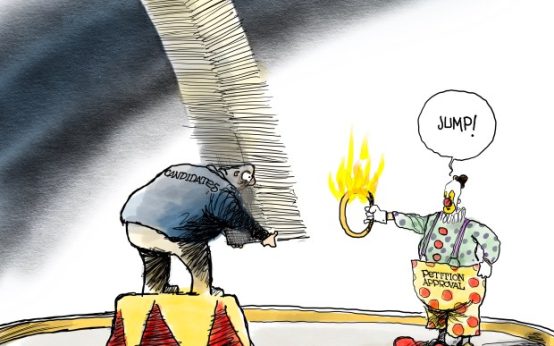 Challenges of Signature Requirements for Political Candidates in Illinois
 Debate Rekindled Over Gray Wolves and Livestock Losses
 White House Faces Backlash Over Controversial Video
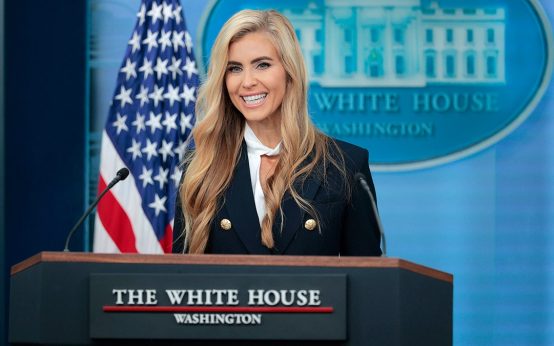 Former Press Secretary Critiques Republican Strategies
 Migration, Politics, Peace Talks, Health Alerts, Legal Settlements, and Fire Conviction News