Escalating Political and Security Concerns
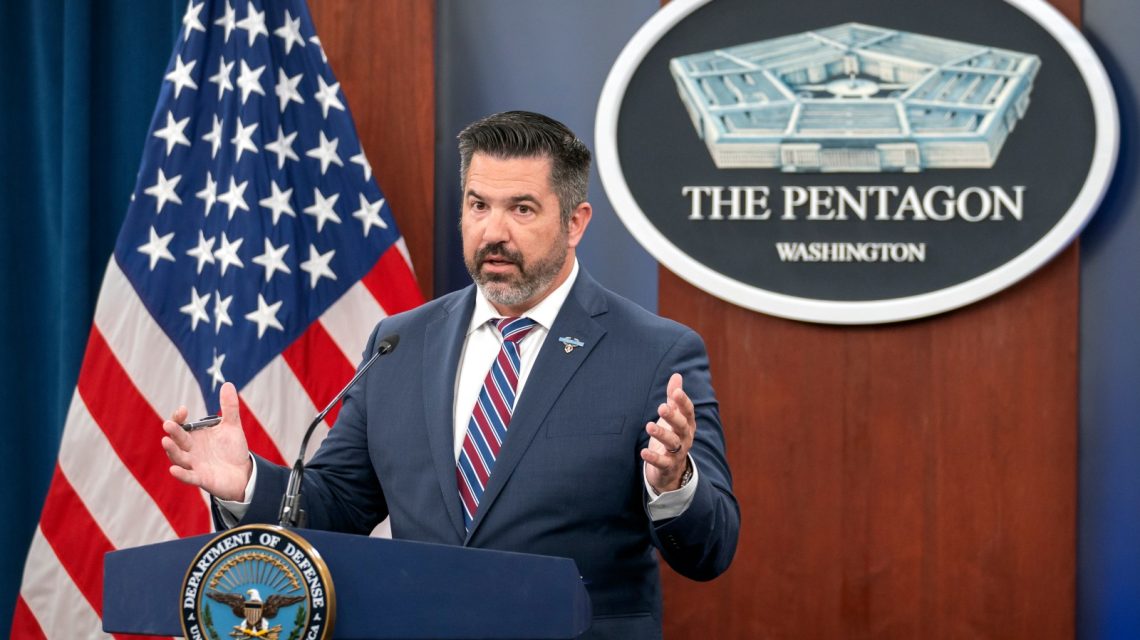
Chief Pentagon spokesman Sean Parnell has severely criticized the release of a classified military assessment. This action is amplifying political and national security debates over the ongoing U.S. conflict in Iran. The situation has further intensified following new revelations from The Washington Post. These include warnings from top commanders to Defense Secretary Pete Hegseth. They expressed concerns that prolonged operations in the Middle East are stretching U.S. forces.
Questions of Transparency and Readiness
These developments prompt questions regarding transparency, readiness, and the administration’s handling of the six-month-long conflict stretching U.S. military capabilities across multiple theaters. The Post’s coverage highlights internal warnings from key military leaders, including the heads of the Army, Navy, Air Force, and several four-star combatant commanders. They warned that extended deployments and redirection of resources toward Iran are hindering the defense capabilities of other regions, including the U.S. homeland.
Sean Parnell Calls Leak a “Crime” and “Betrayal”
In a statement provided to Newsweek, Parnell describes the reporting as “fake news” with inaccuracies, characteristic of The Washington Post. He assures that Defense Secretary Hegseth is engaged with military branches to maintain readiness and deter conflict. Parnell emphasizes that decisions on force commitments are based on threat assessments, strategic priorities, and advice from top military officials. He notes that internal processes, including the Secretary’s Orders Book, are not disclosed publicly.
On social media platform X, Parnell declared that publishing classified assessments is criminal and a betrayal. He insists on the value of candid military discussions and emphasizes sustained readiness worldwide.
Legality and Implications of Publishing Classified Information
Post reporter Dan Lamothe countered Parnell’s crime claims, asserting that independent journalism is protected under the First Amendment. Lamothe argues that reporting on government decisions during war is crucial, especially when details are withheld from taxpayers supporting military endeavors.
In late July, Secretary Hegseth disclosed to senators that the Iran conflict has cost $37.5 billion since February. The SDOB remains classified, though the Post’s reporting was based on interviews about its contents. Legal experts suggest publishing classified information is generally protected unless it reveals sensitive operational details posing immediate harm.
Impact of the Leaked Assessment
The SDOB indicated the Iran conflict is straining U.S. military capacity across various commands. Leaders from European Command, Pacific Command, and Southern Command issued non-concurs due to diverted resources impacting homeland defense duties. Navy Admiral Daryl Caudle highlighted the inadequate support levels due to the indefinite conflict duration, noting significant readiness declines and maintenance challenges.
While Army and Air Force leaders supported deployment extensions, they emphasized associated risks. The 82nd Airborne Division faces extended mobilization, and Patriot missile units remain burdened by losses and allocations to Ukraine. The depletion of critical missile systems limits the U.S. administration’s ability to escalate conflict.
Threats in Response to Leaks
President Trump has issued threats of jail time for those leaking information about depleted U.S. munitions stocks. Despite reports of dwindling resources, the White House denies claims that the Iran conflict has drained stockpiles. Air defense missiles and advanced weapons have lengthy production timelines, delaying replenishment.
The U.S. has exhausted key missile types, including Army Tactical Missile Systems (ATACMS) and Precision Strike Missiles (PrSM). Recent cancellation of planned military actions was influenced by concerns over munitions stocks. Trump’s remarks assert vast munitions supplies and future missile production, while emphasizing severe repercussions for leakers.
Current Status and Future Considerations
Amid reports detailing extensive munitions usage, Congress is assessing additional funding proposals. This includes an $88 billion supplemental request and a Pentagon budget surpassing $200 billion for the Iran war. Legislative demands for transparency or potential further leaks may impact the conflict’s management.
 American Public Opinion on Press Freedom
  Media Lawsuit Against Trump Administration for White House Ban
  The Cost of Challenging Beijing
  Analyzing Midterm Elections and Party Dynamics
  Allan Lichtman’s Framework for Assessing Presidential Greatness
  Florida Senate Race Tightens as Recent Polls Show Dead Heat