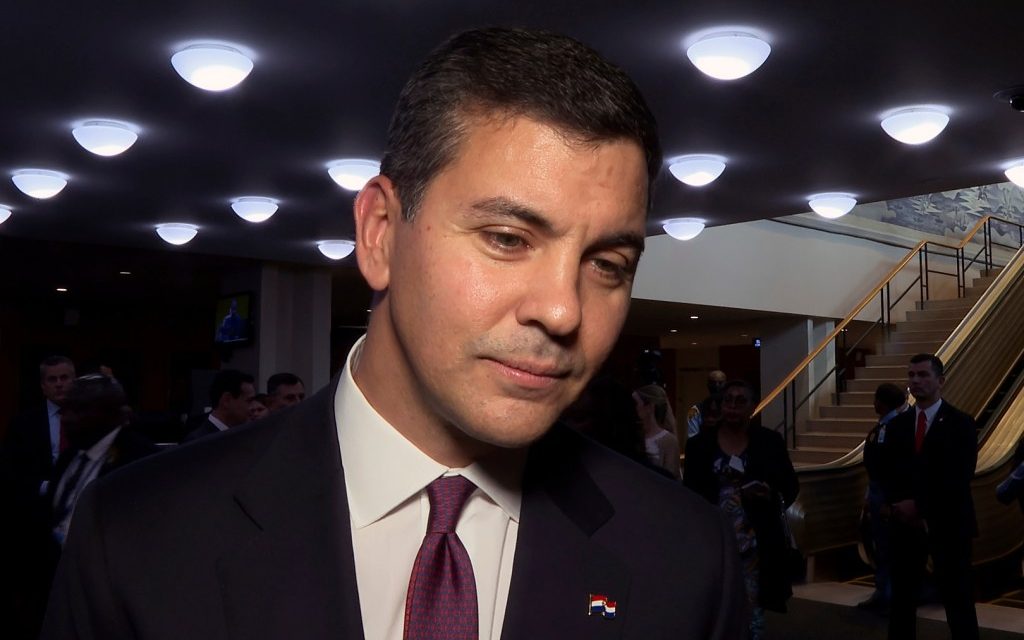
Santiago Peña, the ousted President of Paraguay, faces house arrest on allegations of breach of trust and influence peddling. This development came shortly after the Senate removed him from power following the collapse of a government-linked bank. The disruption at Ueno Bank left nearly half of Paraguay’s 6 million people without access to their savings. All 44 senators voted for his removal, marking an event of significant political change since 1989, the end of Alfredo Stroessner’s dictatorship.
Amid the ruling, thousands gathered outside Congress in protest, echoing sentiments of “Dictatorship never again!” Regulators had recently seized Ueno Bank, initiating one of the country’s most severe political crises in over a decade.
Charges Against Peña
Peña is accused of directing public funds to Ueno Bank and overlooks risky lending practices, potentially leading to a decade in prison if convicted. He has denied all allegations. The police have secured Peña’s home, where crowds maintain vigilance to prevent his escape. Another key figure, Carlos Carvallo, is also under legal scrutiny, facing possible detention.
Political Transition
Following Peña’s ousting, Vice President Pedro Alliana took an oath as the new president, with a term extending until August 2028. Alliana promised swift action to address the public’s grievances and ensure accountability for misplaced funds.
Protests in downtown Asunción reflect public outrage, with chants demanding Peña’s imprisonment. Supporters express deep-seated betrayal over the government’s mishandling of public trust.
Banking Crisis Unfolds
The seizure of Ueno Bank froze customers’ accounts, disrupting services for many first-time account holders, including national soccer team members. The effects of this collapse extended further, crippling a ride-hailing service and halting public work funds. Paraguayan bonds suffered significant losses, while the currency weakened against the dollar.
Insurance of deposits up to $35,000 is in place, with recovery efforts starting for smaller account holders. However, the collapse, deemed an isolated incident, has serious repercussions on public confidence in the financial sector.
Legal Consequences for Ueno Executives
Prosecutors charged 27 individuals associated with Ueno, confiscating assets like luxury vehicles and a yacht. The judiciary has ordered pretrial detention for several executives, tightening the net around those implicated.
Ueno Bank’s Rise and Fall
Ueno Bank rapidly grew by attracting public funds and signing up a significant portion of Paraguayans. Accusations against Peña include manipulating state pension funds and installing allies in critical regulatory roles. Concerns about Ueno’s financial health under Peña’s administration led to increased scrutiny.
Peña previously defended Ueno until last month, dismissing fears of its potential closure. Yet, as political tides turned, his support base dwindled, leading to swift legal action against him.
Peña’s Political Reckoning
Peña, formerly aligned with influential figure Horacio Cartes, sought independence in office. Ueno, bolstered by public funds, became central to his ambitions. Recent events rapidly evaporated his political leverage, and he found himself isolated once Ueno collapsed.
As senators aligned with Cartes initiated inquiries into Ueno, Peña’s tenure faltered. With Cartes publicly advocating for his impeachment, Peña’s political isolation became evident as alliances shifted. Scholars view these developments as a significant chapter in Paraguay’s political landscape, highlighting the volatility of political allegiances.
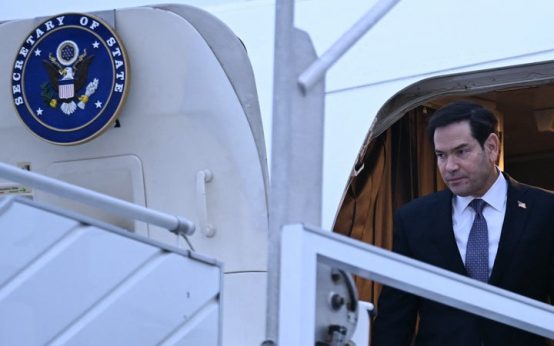 G7 Foreign Ministers Discuss Global Crises Amid U.S. Political Changes
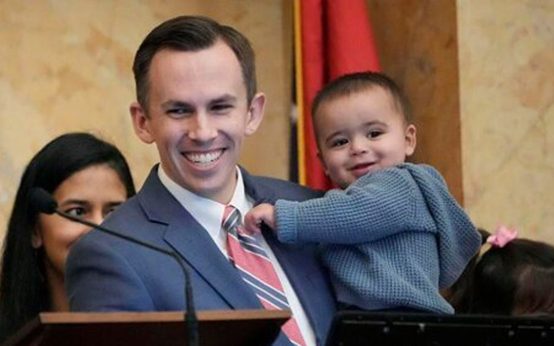 Mississippi State Auditor Shad White Announces Gubernatorial Bid
 Trump Dismisses Third Impeachment Prospects
 Custody Dispute Involving Rep. Max Miller Delayed
 Attorney General Addresses Post-Midterm Democratic Threats
 Senator Elizabeth Warren and the Future of Crypto Regulation