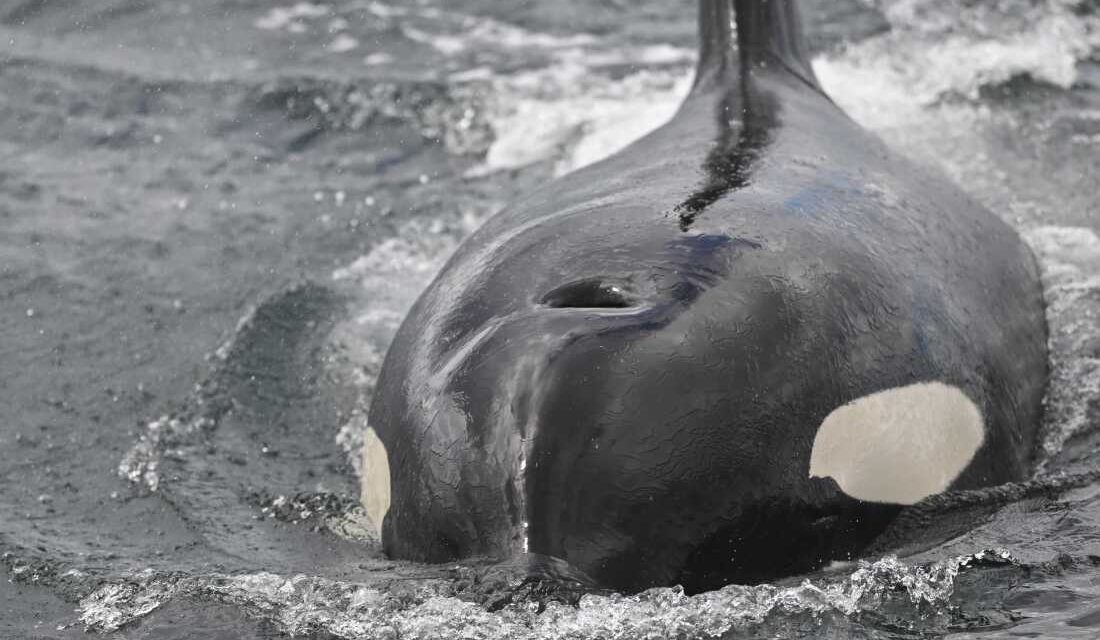
Orcas have long been observed exhibiting unexpected behaviors, and recent research highlights yet another surprising activity. Off the coast of Cabo San Lucas, Kathryn Ayres, from the nonprofit organization Beneath The Waves, observed orcas engaging in a remarkable hunting technique. One orca holds a sunfish in its mouth while another rams it at high speed, resulting in the fish fragmenting into numerous pieces.
Ayres and her coauthors detailed this “stabilize-and-ram” behavior in a study published recently. Erick Higuera, a marine biologist from Conexiones Terramar, describes the scene of a large animal breaking apart as initially startling. Nevertheless, he emphasizes that this behavior is not “crazy” or “cruel” but instead demonstrates a highly specialized biological process.
Orca behaviors often involve playfulness with food. Ayres suggests that such actions might help younger orcas to eat more efficiently or could simply be recreational. Orcas have been seen engaging in various playful activities, such as wearing salmon like hats and, in some cases, young orcas have been observed sinking boats.
Marine ecologist Robert Pitman likens orcas to cats, explaining that they enjoy teasing both prey and non-prey. Though he views this ramming behavior as primarily related to feeding, he notes that certain older orcas struggle to chew due to worn-down teeth. Young orcas without teeth face similar challenges. This ramming technique might be an innovative way to deal with the challenging texture of sunfish.
Sunfish pose unique challenges as prey due to their considerable size and dense, rubbery skin. Pitman suggests the ramming behavior is a practical approach to breaking down a formidable meal, especially given orcas’ lack of tools or hands to tear apart their food.
The question of whether this behavior is purely for fun remains open. For an action to be considered fun, according to Higuera, it must be voluntary, rewarding, and involve exaggerated behaviors. Two observations—one by Ayres in July 2024, and another by a tourism operator—support the notion of this behavior being akin to a social game. However, Higuera posits it may also be a form of care, whereby adults prepare food for younger orcas.
Both documented cases occurred in Baja California, and it is uncertain whether orcas in other regions exhibit similar behavior. Higuera is curious if this could be “cultural knowledge” limited to specific pods.
Pitman acknowledges the authors for shedding light on orcas’ engagement with sunfish, reflecting on his past observations without understanding the behavior. He also cautions thrill-seeking snorkelers to be wary of getting too close to this unique activity at sea.
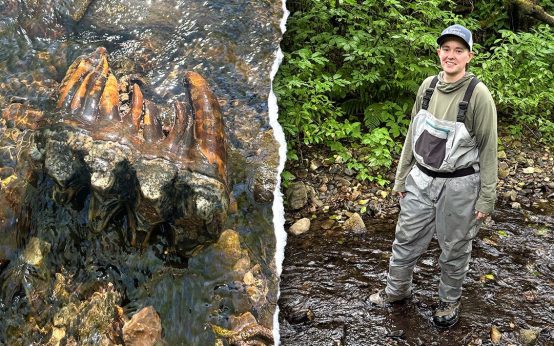 Ice Age Mastodon Tooth Unearthed in California Creek
 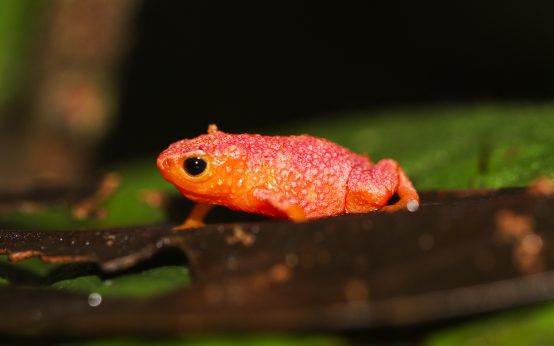 The Unique Challenges of the Pumpkin Toadlet
  Animal Self-Medication Insights
  Carlo Rovelli’s Perspective on Physics and Ultimate Reality
 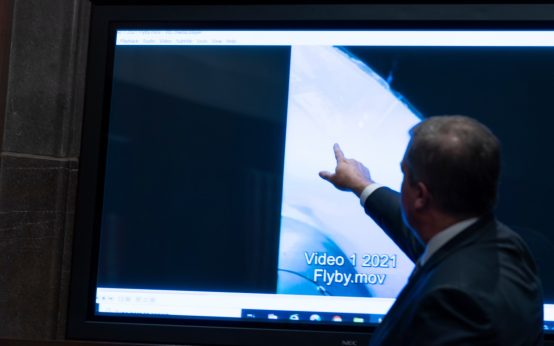 Department of Defense Legal Waiver Promotes UAP Disclosure
  Ancient Ring Offers New Insight on Pontius Pilate’s Authority