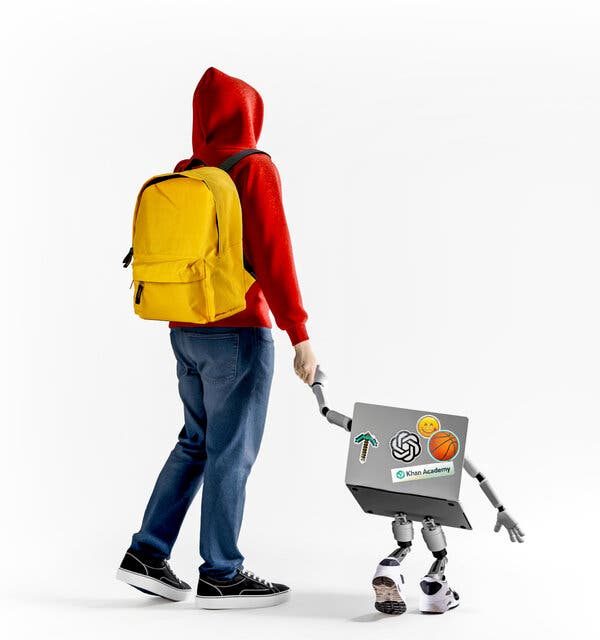
Introduction to Collaboration
In 2021, Sal Khan, the founder of Khan Academy, faced an interesting proposition from OpenAI’s President, Greg Brockman, to explore the use of ChatGPT at Khan Academy. At the time, OpenAI was an emerging research lab, and ChatGPT-3 was a promising but experimental model. Khan Academy, known for providing free, high-quality education globally, initially declined the offer as the technology was similar to a beginner-level AI.
Evolving Perspectives on AI’s Role
OpenAI made another attempt to engage Mr. Khan by reaching out again in 2022 and involving Sam Altman, another co-founder. This time, they presented a more enticing opportunity with upcoming advancements in their AI model, GPT-4. Although Mr. Khan was still cautious, his curiosity led to a deeper investigation into the AI’s capabilities. Along with Kristen DiCerbo, Khan Academy’s chief learning officer, they were among the few who learned about GPT-4’s potential before its public release.
GPT-4 demonstrated advanced capabilities, such as answering complex biology questions, providing detailed explanations, and generating test questions. This breakthrough led Mr. Khan to realize the potential impact on educational tools, although he was aware of imperfections in the model.
Integrating AI into the Classroom
With OpenAI aiming to launch GPT-4 soon, there was an opportunity for Khan Academy to create its AI-powered tutoring bot. Such tools could considerably enhance personalized learning experiences for students, marking a significant shift in how education is delivered.
“Now, we know later that they were not as perfect as they first appeared. But back then I was just like, Oh, crap. This is a big deal.” – Sal Khan
Mr. Khan valued the potential of AI integrations but felt a strong sense of responsibility given his lifelong commitment to education.
 The Challenges of Regulating AI Unveiled
  Challenges of the Digital Markets Act in the EU
 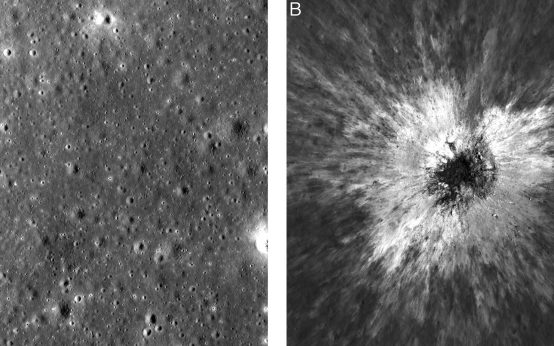 Scientists Discover Enormous Crater on Moon
  AI Chatbot Concerns: Families and Legislation
  NPR Launches AI-Focused Podcast ‘Machine Gods’
 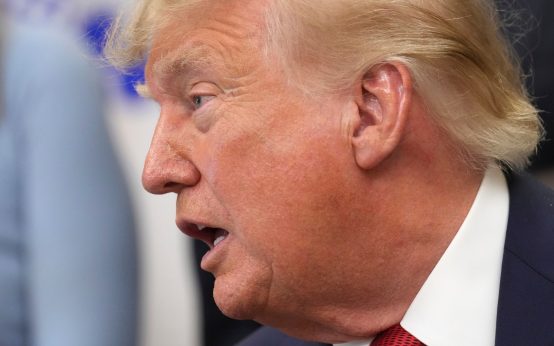 Trump Proposes ‘AI Force’ to Oversee Artificial Intelligence