
The conflict between the United States and Iran has intensified more than a week after a brief cease-fire. U.S. operations have increased, and Iran has retaliated by launching attacks on neighboring Arab states hosting American forces.
Recent Developments
On Saturday, Iranian state media reported substantial damage from U.S. airstrikes in the southern province of Jask. These attacks damaged bridges and a desalination plant, affecting water supply for about 10,000 residents. Abdolhamid Hamzepour, head of the local water utility, provided these details. The U.S. military has not responded to these reports.
Kuwait reported damage to a power and water desalination facility due to Iranian strikes, causing a fire. Several Kuwaiti military personnel sustained injuries from Iranian drone attacks on military sites. Meanwhile, Bahrain has been on alert with warnings of further Iranian strikes, and Jordan has intercepted Iranian ballistic missiles.
Legal and Strategic Concerns
President Trump has suggested more aggressive U.S. military actions targeting Iran’s civilian infrastructure if Iran does not comply with demands. Experts caution that targeting such infrastructure might breach international law.
The blockade of the Strait of Hormuz continues to strain global shipping and raise energy prices. The strait, crucial for oil and gas transport, remains under Iranian control, significantly impacting the global economy.
Broader Implications
The ongoing conflict has defied initial expectations. Instead of a regime change in Iran, the leadership has maintained its grip on power. The prior cease-fire agreement led to a temporary reopening of the strait, but Iran has persisted with attacks, citing unclear terms in the agreement.
Future Challenges for the U.S.
President Trump must now navigate a challenging decision-making landscape. Further escalation might not sway Iran, yet compromising Iran’s control over the strait contradicts his objectives.
Plans for negotiating Iran’s nuclear program within 60 days have stalled. The U.S. has struggled to translate military power into a winning strategy, a challenge reminiscent of past conflicts in Iraq and Afghanistan.
“The challenge is to convert military might into victory,” analysts observe.
Economic Repercussions
Oil prices surged to their highest in a month, triggered by the near halt of shipping in the Strait of Hormuz. On Friday, Brent crude rose by 4% to about $88 a barrel, while the U.S. benchmark crude climbed to $82 a barrel.
The ongoing war has significantly disrupted energy supplies, with only eight ships passing through the strait on Thursday, down from thirteen the previous day. Most vessels adhered to the Tehran-approved corridor.
The Impact of the U.S. Blockade
The U.S. blockade, reinstated last week, aims to hinder Iran’s economic gains from the strait. U.S. forces have redirected or disabled several ships, significantly cutting Iran’s oil revenue. Central Command reported recent actions against evading commercial vessels, including the disabling of a non-compliant ship.
Rising Fuel Prices
The conflict has also driven fuel costs higher, with average gasoline prices in the U.S. rising to $3.98 per gallon, while diesel prices reached $5.06 per gallon, according to the AAA motor club.
 Court Rules Against Third-Country Deportation Policy
  Claims to Nazi-Looted Art Spark Legal Battle in California
 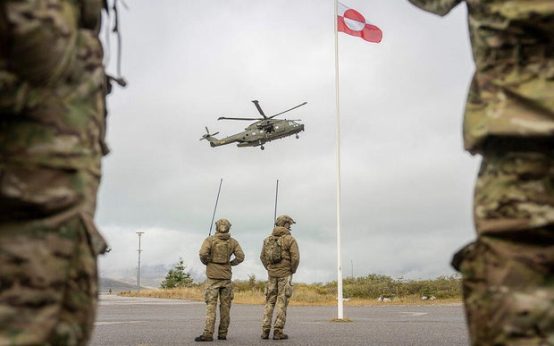 U.S. Secures Strategic Control Over Greenland
  U.S. and Denmark Move Towards Security Agreement Over Greenland
 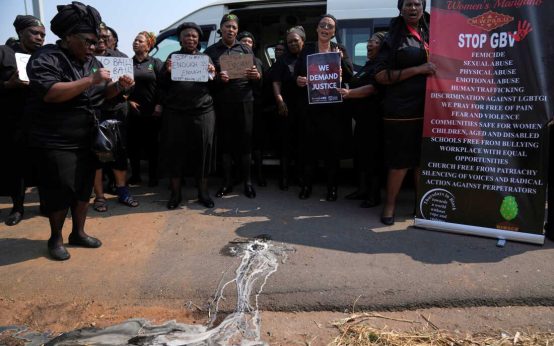 Rising Concern Over Gender-Based Violence in South Africa
 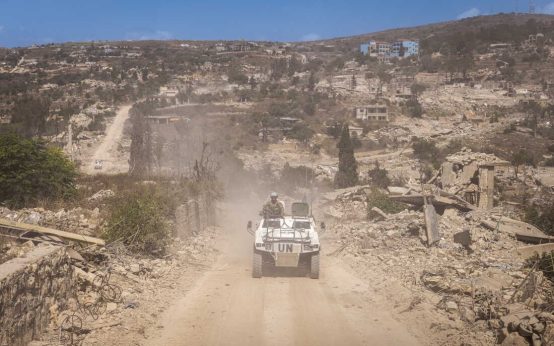 UNIFIL’s Final Patrol in Southern Lebanon Amid Changing Borders