Tennis player Coco Gauff emphasized the complexity of a new rule from the Women’s Tennis Association (WTA), which mandates genetic testing for athletes. This rule relates to the ongoing discussion about transgender athletes in women’s sports. Gauff, speaking at a National Bank Open post-match news conference, mentioned that many athletes were unaware of this policy until recently.
The 22-year-old player acknowledged a lack of transparency from the WTA but understood the rationale behind the decision. Gauff, a two-time major champion, described the matter as ‘a conversation that is very nuanced.’ She agreed with efforts to maintain fairness in women’s sports but criticized the hostile environment it might create against the transgender community. Gauff underscored her support for transgender individuals and expressed concern over the animosity directed towards them.
The WTA’s policy aligns with a new International Olympic Committee eligibility rule ahead of the 2028 Summer Olympics, instituted after an executive order banning transgender athletes in women’s sports. Athletes must now undergo tests for the SRY gene, which indicates the male Y chromosome’s presence. The WTA clarified its intent is to determine biological sex, not to question gender identity.
Andrew Sinclair, the scientist who discovered the SRY gene, criticized the approach as too simplistic. In an opinion piece, he pointed out that possessing XY chromosomes does not unequivocally determine biological maleness, as variations can lead to biological females who would be excluded from competition under these tests.
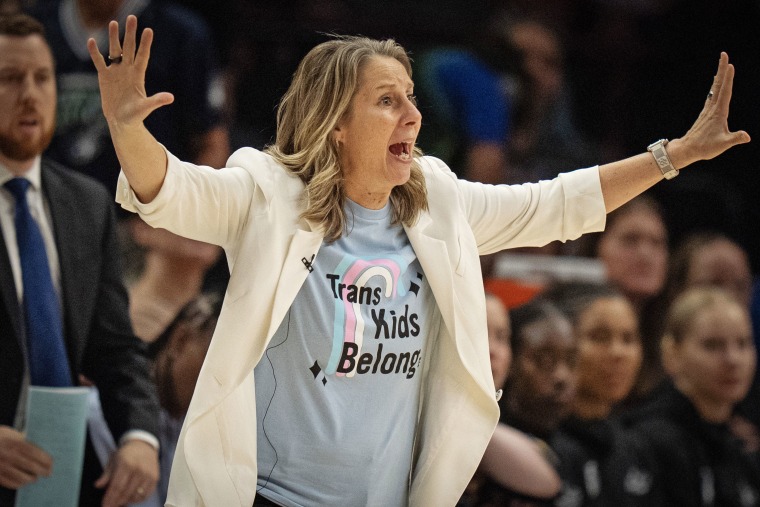
The topic of transgender athletes in women’s sports gained renewed attention after Indiana Fever player Sophie Cunningham appeared to advocate for banning trans players. Cunningham’s comments led to backlash and protests at Fever games. In response, Minnesota Lynx coach Cheryl Reeve voiced support for inclusion by wearing a ‘Trans Kids Belong’ shirt. Reeve emphasized the need for solutions in the nuanced conversation and cautioned against depicting transgender individuals as the primary issue in women’s sports.
Cunningham’s teammate Caitlin Clark shared that the team’s focus remains on basketball and suggested that leagues and governing bodies should collaborate with athletes to find solutions.
 Deion Sanders Addresses Colorado Loss and Team Conduct
  Steve Lotysz: From Gates to Galleries
  Ireland Faces Calls to Boycott Matches Against Israel
  Jaxson Dart’s Knee Injury Could End Giants Season
  Rod Brind’Amour Suggests Ending NHL Preseason
  Impact of the World Baseball Classic on Paul Skenes’ Performance