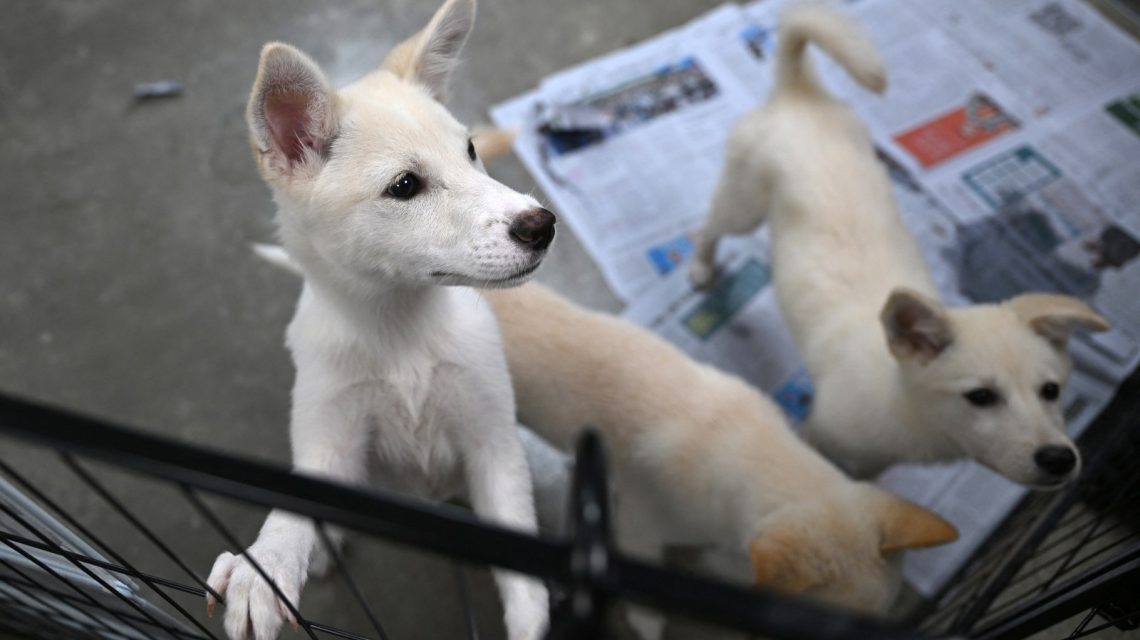
As a severe heat wave impacts Northeast Asia, North Korean authorities are recommending dog meat soup for health enhancement. Recent weeks have seen heat warnings issued across the region, with officials urging citizens to limit outdoor activities. The persistent high temperatures are placing pressure on public health systems, power infrastructure, and agriculture.
Dietary Advice Amid Heat
The Rodong Sinmun, North Korea’s ruling Workers’ Party’s official newspaper, published an interview with a senior doctor from Pyongyang General Hospital. The doctor suggested that the key to staying healthy during extreme temperatures is to reduce body heat. He advised consuming foods like watermelon, grapes, cucumbers, and oriental melons. For protein intake, suggestions included fish, red-bean porridge, and the traditional dish known as dongogi, or dog meat soup. The doctor emphasized that a lack of protein can weaken immunity and reduce appetite.
Cultural Context of Dog Meat in Korea
On the Korean Peninsula, dog meat soup has historical significance. In South Korea, known as bosintang, it was traditionally consumed during the hottest days to restore energy lost in the heat. However, consumption has sharply declined in South Korea, particularly among younger generations, due to rising animal welfare concerns. In 2024, South Korea enacted legislation banning the breeding, slaughter, distribution, and sale of dogs for food. The law includes a grace period that ends in February 2027.
Regional Heat Wave Challenges
The Rodong Sinmun interview coincides with a broader heat wave affecting North Korea, South Korea, Japan, and parts of China, causing dangerously high temperatures. On August 2, South Korea experienced its highest recorded temperature, 108.5 degrees Fahrenheit, since the beginning of modern weather tracking. This led President Lee Jae Myung to declare the heat wave a “national disaster.” Japan’s Fire and Disaster Management Agency reported over 18,000 hospitalizations for heatstroke symptoms and 45 deaths during the week of July 20-26.
 The Cost of Challenging Beijing
 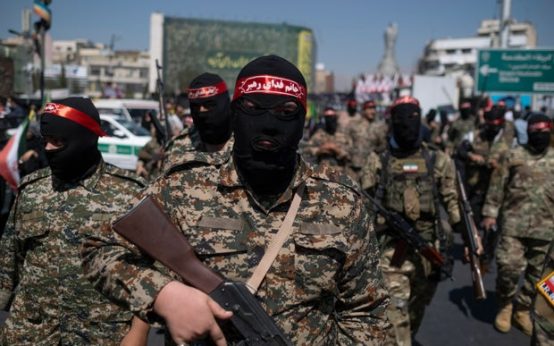 Tensions Escalate in Iran Conflict as Global Leaders Weigh Options
 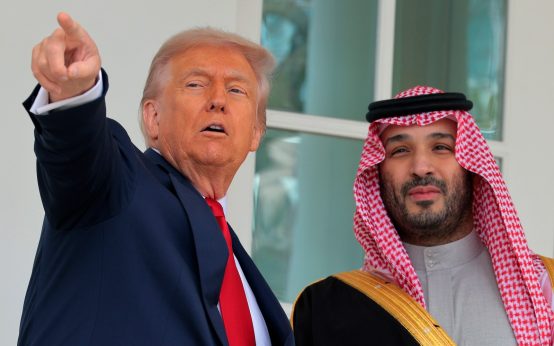 White House Approves F-35 Sales to Saudi Arabia Amidst Regional Tensions
  Inside the Secret Deals Powering the President’s Push to Deport Migrants to Countries Not Their Own
  Navigating the Challenges of Third-Country Deportations
  Midair Altercation on Bangladesh to London Flight