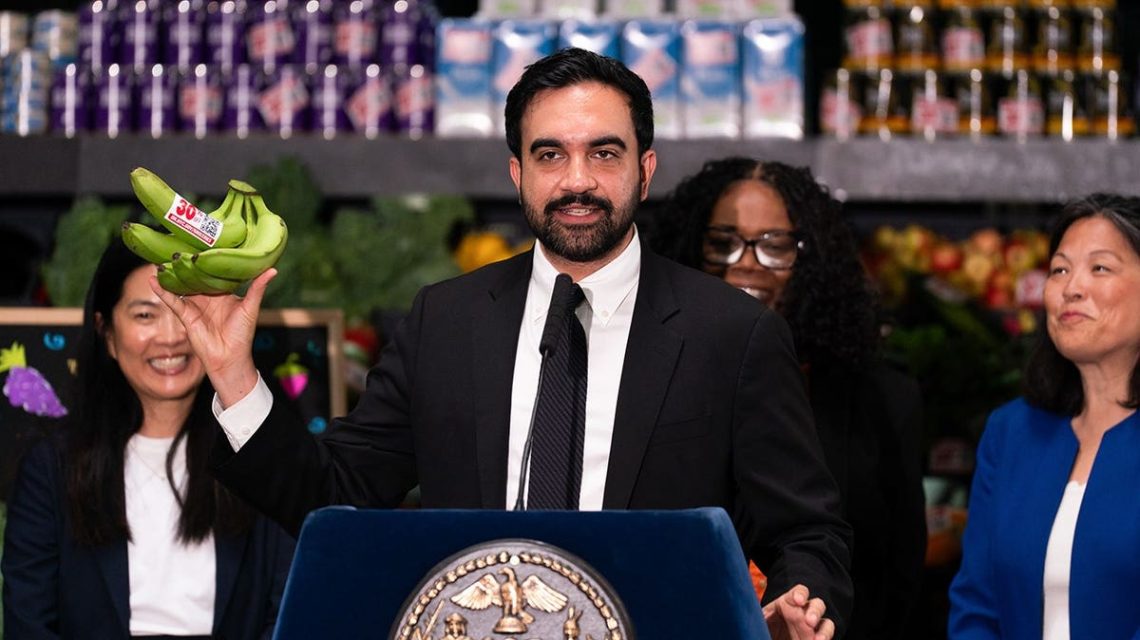
New York City Mayor Zohran Mamdani is pressing forward with a plan to establish five city-run grocery stores. However, John Catsimatidis, CEO of the Gristedes supermarket chain, warns these stores may harm the existing bodegas and supermarkets in the area. He believes this move could disadvantage current businesses and questions its efficacy in addressing hunger levels.
A Vision for Accessibility
Mamdani’s initiative involves opening a store in each of the city’s boroughs, aiming for the first in Hunts Point, Bronx, by late 2027. With a $70 million capital budget, he intends to complete all five by 2030. These government-run stores will offer a 30% discount on essential groceries, targeting affordability issues across the city.
Mamdani said, “New Yorkers shouldn’t feel dread when visiting the grocery store due to rising prices.”
The city is currently seeking private operators for the management of these stores. Mamdani’s administration has committed to covering property taxes and rental costs for each location, a decision that Catsimatidis argues puts local owners at a disadvantage.
Challenges Facing Local Businesses
Business owners in the city’s boroughs are already facing various challenges. Online vendors offer lower prices, squeezing already tight profit margins of 1% to 3%. Increased costs, including congestion pricing and rising electricity rates, further burden local businesses.
Catsimatidis explains that delivering goods to Manhattan, where congestion pricing is in effect, incurs additional charges. This policy has resulted in many empty storefronts across the city.
Potential Solutions
Catsimatidis suggests offering tax credits to help local businesses compete. He proposes credits to reduce operational costs and facilitate price reductions for products.
Despite concerns, experts like Nevin Cohen from the CUNY Urban Food Policy Institute recognize the urgent need for measures addressing food insecurity. He highlights the “FRESH” program that offers incentives to promote supermarket growth in underserved areas.
Cohen said, “Many New Yorkers are unsure if they have enough money for basic groceries.”
While the strategy aims to serve lower-income neighborhoods, Catsimatidis remains skeptical about its impact on existing local businesses, referring to Mamdani’s democratic socialist platform.
The unfolding debate underscores the balance between supporting local entrepreneurs and addressing food accessibility challenges across New York City.
 Kansas Senate Race: Hamilton Criticized for Climate Views
  Trump Administration Targets H-1B Visa Use to Protect American Workers
  Controversy Over Proposed MLB Stadium in Grand Teton National Park
  The GOP’s Shift Toward Big Government
  Foiled Attack Near RAF Fairford Raises NATO Tensions
  Heightened Risks at U.S. Military Bases in U.K. Amid Iran Conflict