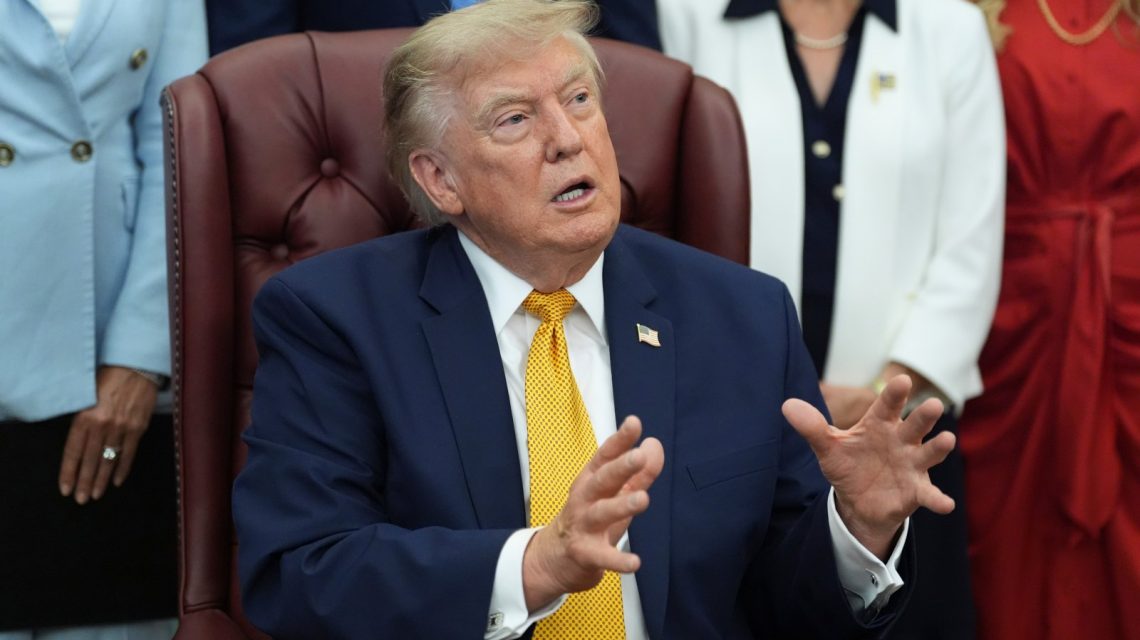
Introduction to Trump’s Criticism of Wind Energy
President Donald Trump has consistently attacked wind turbines, labeling them unattractive, costly, and detrimental to wildlife. He argues for their replacement with fossil fuels and other energy sources. His opposition resurfaced during an Oval Office discussion of Europe’s economic challenges, reiterating a long-standing theme in his public rhetoric.
The Origin of Trump’s Opposition
Trump’s critique of wind energy began in the mid-2000s with plans for an offshore wind farm near his Scottish golf course. He claimed the turbines would negatively impact tourism and decrease his resort’s value. Despite years of legal battles, Scottish courts permitted the wind farm’s development, marking the beginning of Trump’s criticism of wind energy.
His criticism intensified during his 2016 presidential campaign. He linked wind energy to broader attacks on climate policies and government support for renewable energy. He argued turbines are unsightly, inefficient, costly to maintain, and harmful to wildlife.
Timeline of Trump’s Actions Against Wind Turbines
- 2006: Trump acquired land in Aberdeenshire, Scotland, for Trump International Golf Links and opposed nearby wind farm plans.
- 2011-2015: He challenged the Scottish wind project through lawsuits and campaigns, despite its eventual approval.
- 2012: Trump increased his public attacks on wind power, criticizing its appearance and economics.
- 2015-2016: During his presidential campaign, he extended criticism of wind energy to support fossil fuel production.
- 2017-2021: Throughout his first term, Trump’s administration rolled back several climate and clean-energy initiatives while he criticized turbine noise and wildlife impact.
- 2021-2024: Out of office, Trump continued to attack wind energy at public events, pledging to reverse Biden’s renewable-energy policies if elected.
- 2025: Upon returning to office, Trump signed executive actions halting new offshore wind approvals and expanded these efforts.
- 2026: Trump regularly referred to wind turbines in speeches regarding energy policies.
Impact of Trump’s Actions Against Wind Energy
Trump’s criticism extends beyond words. It influences federal energy policy and the political debate over climate change and renewable power. His administration focused on increasing fossil fuel production while questioning federal support for renewables. Upon his return to office, Trump directly targeted the wind industry by slowing new offshore project approvals and reviewing existing permits.
U.S. Wind Energy Statistics
The United States is second globally in wind power capacity, following China. It has around 77,000 wind turbines, contributing significantly to renewable electricity generation. These turbines span approximately 1,700 projects, representing nearly 160 gigawatts of capacity. Major wind-producing states include Texas, Great Plains, and Midwest regions.
Fact-Checking Trump’s Wind Turbine Claims
Trump claimed wind turbine noise causes cancer. However, public health experts have found no credible evidence linking noise exposure to cancer.
Trump argued turbines kill birds excessively. While they do cause bird deaths, studies show other human-related factors kill far more birds annually. Conservation experts recommend better turbine designs and siting practices to mitigate risks.
Trump criticized turbines’ appearance for ruining landscapes. The visual impact is subjective, but researchers distinguish it from environmental effects, such as non-direct production of emissions.
Trump stated wind energy is inefficient and unreliable. Wind power depends on weather but integrates well within a modern grid. Grid operators utilize forecasting, storage, and geographic diversity to manage changes in output.
Trump claimed wind energy is too expensive. Despite project costs varying, utility-scale wind is among the lowest-cost sources of new electricity in many regions.
Benefits of Wind Energy
Wind energy is one of the fastest-growing electricity sources in the U.S., generating power without fuel combustion, avoiding direct emissions. It diversifies the energy mix, reduces fuel dependencies, and creates manufacturing and maintenance jobs. Offshore projects produce large electricity amounts near populated coastal regions, aiding energy security and reducing costs in specific markets.
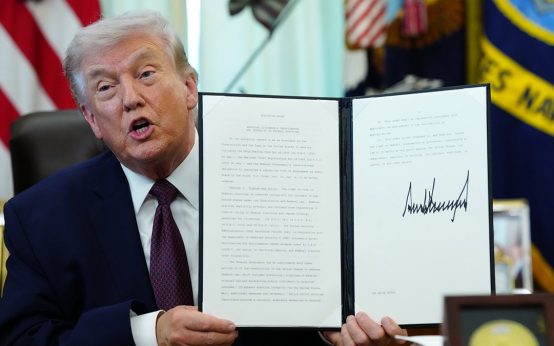 Court Blocks Trump’s Mail-Ballot Rules Ahead of Elections
  A Mother’s Tragic Journey Under Abortion Ban
  U.S. Strategic Goals Remain Unmet Amid Prolonged Conflict
  The Impact of Arts and Closure on Democracy
  U.S. Ambassador Comments on Iran War Duration Amid Political Concerns
  US-China Relations Under Scrutiny: Expert Warns of Escalating Tensions