
For nearly 70 years, food and beverage companies have determined on their own if a new ingredient is safe and launched it without notifying the Food and Drug Administration (FDA). A new proposal might change this, requiring companies to inform the FDA about new substances added to food. At present, companies can self-certify ingredients as ‘generally recognized as safe’ (GRAS). Critics have long called for closing this information gap, though the proposal stops short of requiring FDA approval before sales.
This initiative forms part of Health Secretary Robert F. Kennedy Jr.’s broader ‘Make America Healthy Again’ (MAHA) agenda, aimed at revamping federal food supply oversight. While this change is considered a step forward, it may not be as significant as publicized. Peter Lurie from the Center for Science in the Public Interest provides this perspective.
Origins of the GRAS Exemption
The GRAS exemption dates back to a 1958 congressional decision for widely accepted substances like salt and vinegar, where formal FDA reviews were deemed unnecessary. Over time, the GRAS pathway has expanded beyond Congress’s initial vision. According to a 2025 Environmental Working Group analysis, 99% of food chemicals introduced since 1958 bypassed the FDA’s formal process by this route.
Lack of knowledge about ingredient use complicates food safety. For example, Daily Harvest’s 2022 foodborne illness outbreak was linked to tara flour, later revealed unsafe by FDA standards. Peter Lurie notes that if companies had informed the FDA, potential risks might have been identified earlier.
Currently, companies can voluntarily notify the FDA of GRAS ingredients. The FDA has logged over 1,300 such notices since 1997, but these have never been mandatory.
Proposed Rule Changes
The new rule aims to make GRAS notifications mandatory. Companies would have to provide their safety rationale for a new substance. Failing to do so wouldn’t stop sales, but the FDA may prioritize non-notified substances for review. This proposal would provide the FDA with information it currently lacks but stops short of full safety reviews.
The proposal includes existing substances sold under ‘self-affirmed’ GRAS determinations. Companies would have a year to submit a streamlined notification without safety data. Charles Benbrook, an agricultural economist, highlights that this differs significantly from the thorough scientific evaluations required for new additives.
Patricia Zettler, a law professor, emphasizes that Congress designed these pathways, and the FDA is limited to Congress’s authorizations.
Impact on Food Safety
The GRAS proposal is part of the Trump administration’s MAHA initiative, focusing on food additives in diets. The Department of Health and Human Services claims the proposal aims to enhance nutrition science, transparency, and food supply oversight.
Recent headlines about cyclospora and salmonella outbreaks highlight microbial safety as a separate issue. Marion Nestle from New York University differentiates between additive safety and microbial concerns. Lurie argues that while additives are sometimes dangerous, other dietary factors may pose greater health risks.
Implementation Timeline
The proposal is open for public comment until early December. A final rule might appear by 2027, a rapid timeline in regulatory terms. The FDA must consider and respond to public comments, which could influence the final rule.
Peter Lurie anticipates opposition from industry stakeholders and regulation detractors. Debate may center on enforcement, FDA staffing for reviews, and whether notifications adequately address safety concerns. Suggested improvements include a public database of GRAS determinations and independent FDA review.
Overall, the proposal could offer the FDA a better understanding of ingredients in the food supply, reducing reliance on industry self-assessments.
The role of a free press in democracy highlights the importance of supporting trusted journalism and civil dialogue.
 Measles Exposure in Philadelphia Raises Health Concerns
  Lawsuits Claim Vision Loss Risk from GLP-1 Medications
 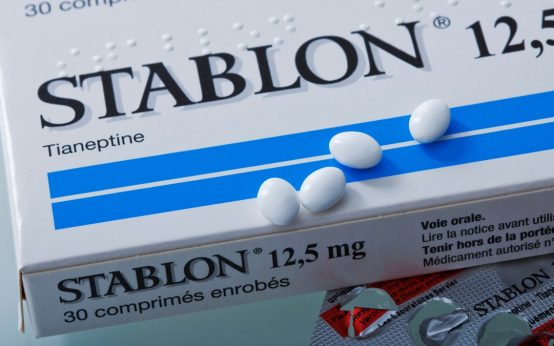 States Tighten Regulations on Tianeptine, Known as ‘Gas Station Heroin’
  Medicare Lab Test Payments: Upcoming Changes and Their Implications
  Gen Z Faces Economic Barriers to Dating and Intimacy
  Understanding and Preventing Suicide: A Public Health Priority