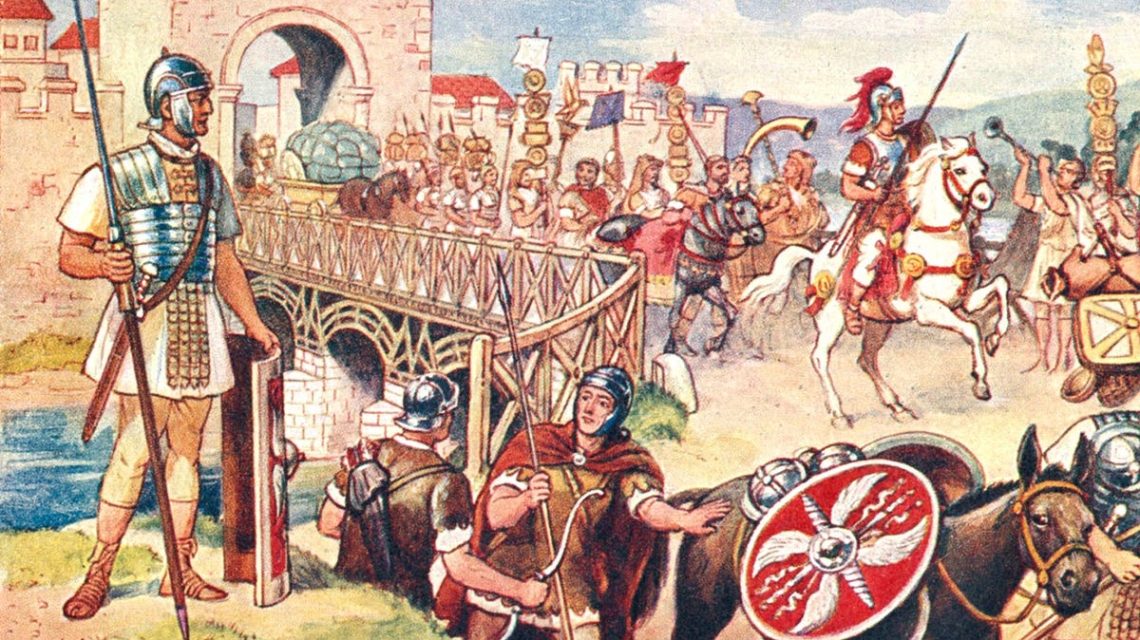
A recent study has reevaluated the traditional belief about the Roman Empire’s road system, bringing new insights into the saying “All roads lead to Rome.” Researchers analyzed approximately 190,000 miles of roads throughout Europe, the Middle East, and North Africa. The findings suggest alternative views on the connectivity within the empire.
New Mapping of the Roman Road Network
Published in Nature Communications, the study combined existing road data to create a detailed map on an empire-wide scale. Lead researcher Tom Brughmans and his team found provincial capitals played key roles, contradicting the idea that Rome was the primary hub.
“The proverb should not be taken literally,” Brughmans stated, noting roads in Roman Britain, for instance, did not connect directly to Rome.
As emphasized by Taco Terpstra, a history professor at Northwestern University, Constantinople, today’s Istanbul, emerged as a crucial intersection post-fourth century. Its geographical position between Europe and Asia provided substantial travel advantages.
Historical Context and Connectivity
Despite emerging hubs, Rome maintained its significance. It was the empire’s political, military, and ideological center for centuries. This is validated by the southwestward migration of power centers, with Rome housing the empire’s largest city and governing bodies.
Roman roads are celebrated for their engineering marvels. Although constructed with military objectives in mind, their straight designs often conformed to the challenging terrains. Despite these achievements, maritime routes were more economically viable for goods transportation, overshadowing the role of overland roads.
Terpstra highlighted the primary military purpose of the roads, which allowed for efficient troop movement across the empire.
The Enduring Legacy of Roman Roads
The durability of these trails stands testament to ancient engineering prowess. Yet, they played secondary roles to maritime routes that connected the empire extensively through sea travel.
This research, involving deep analysis and historical context, opens doors for further exploration. It invites reevaluation of historical perceptions regarding connectivity and transportation in ancient civilizations.
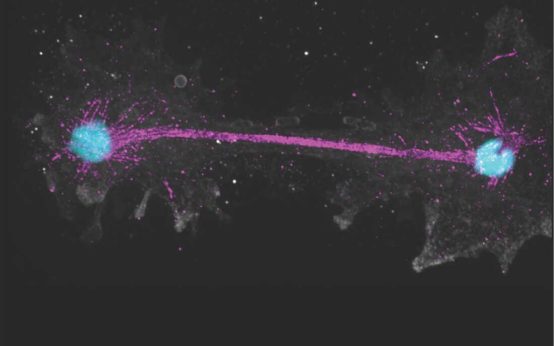 Fire Amoeba Discovery Challenges Limits of Complex Organisms
  Impact of Sleep Types on Disease Risk
 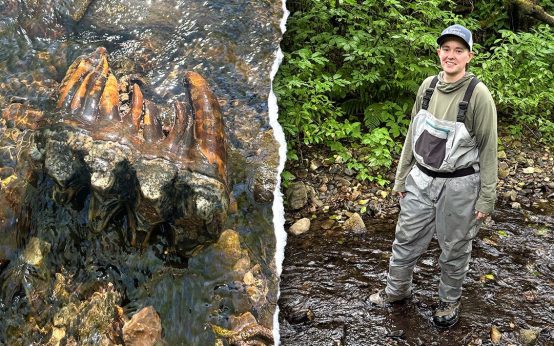 Ice Age Mastodon Tooth Unearthed in California Creek
  The Unique Challenges of the Pumpkin Toadlet
  Animal Self-Medication Insights
  Carlo Rovelli’s Perspective on Physics and Ultimate Reality